1 hr ago
Postpartum Mental Illness Raises Questions After Twin Deaths in Bengaluru

Umadevi was a mother of four-month-old twin girls in Bengaluru.
Her family said she had become frightened, withdrawn and unable to sleep or eat properly.
She also said she did not feel able to care for the babies.
On September 1, the babies were found unresponsive and doctors suspected they had drowned.
Police said Umadevi was also found trying to harm herself.
She is now receiving psychiatric care while her medical condition is assessed.
Doctors explain that serious mental illnesses after childbirth can sometimes cause confusion, fear and dangerous thoughts.
They also say most mothers with postpartum depression or psychosis do not hurt their children, and that early help may save lives.

Umadevi allegedly drowned her four-month-old twin daughters in Bengaluru on September 1 and was found attempting suicide.
Her family said she developed anxiety, withdrawal, poor sleep, poor appetite and fears about caring for the babies.
Umadevi had consulted a psychiatrist and NIMHANS, but declined recommended inpatient treatment because she feared being restrained.
Experts say severe postpartum illness can involve suicidal thoughts or thoughts of harming babies, though most affected women do not harm their children.
Experts called for earlier recognition, routine mental-health screening and faster psychiatric care for new mothers.
- Who
- Umadevi, her four-month-old twin daughters, her family, Bengaluru Police and mental-health specialists at NIMHANS.
- What
- Umadevi allegedly drowned her twin daughters and attempted suicide; she is now under psychiatric assessment.
- Where
- Talaghattapura in Bengaluru, with Umadevi receiving care at NIMHANS.
- When
- The incident occurred on September 1, after symptoms had reportedly lasted about two-and-a-half months.
- Why
- The family and experts associated the incident with suspected postpartum mental illness, while the precise medical cause remains under assessment.
Earlier Intervention May Have Prevented the Tragedy
Treatment Was Attempted but Faced Barriers
Could the deaths have been prevented?
Earlier Intervention May Have Prevented the Tragedy
Sources familiar with the case said earlier medical help might have prevented the deaths, and experts stressed that warning signs require urgent attention.
Treatment Was Attempted but Faced Barriers
Ramelingappa said the family took over much of the childcare, consulted a psychiatrist and brought Umadevi to NIMHANS, but she refused inpatient admission and her symptoms fluctuated.
Hospital admission
Earlier Intervention May Have Prevented the Tragedy
Clinicians advised inpatient psychiatric treatment after assessing Umadevi for postpartum depression, indicating that more intensive care was considered necessary.
Treatment Was Attempted but Faced Barriers
Umadevi reportedly feared being physically restrained after seeing other patients restrained, and her family said her condition sometimes appeared normal, making admission difficult.
Broader responsibility for prevention
Earlier Intervention May Have Prevented the Tragedy
Mental-health specialists called for routine screening during antenatal and postnatal care so problems can be identified before they become severe.
Treatment Was Attempted but Faced Barriers
Experts also noted that families may seek faith healers or rituals, while patients can resist hospital care, causing delays even when relatives are trying to help.
Key facts
- Incident date
- September 1
- Children
- Four-month-old twin daughters
- Reported symptoms
- Fear, withdrawal, poor sleep, poor appetite and feeling unable to care for the babies
- Earlier treatment
- Umadevi saw a psychiatrist and visited NIMHANS on August 8
- Treatment decision
- She declined advised inpatient psychiatric treatment
- Postpartum depression prevalence
- Reviews cited in the article estimate about 22% to 23.5% among new mothers
- Postpartum psychosis prevalence
- An expert estimated one to two cases per 1,000 deliveries
- Delayed care
- A 2018 NIMHANS study found delayed psychiatric care in 44% of women studied
Quotes
Ramelingappa S H
Umadevi’s husband, who described her symptoms and treatment history
“She had seen patients being physically restrained and was afraid the same would happen to her. Her condition also kept fluctuating. On some days she appeared normal, while on other days she was withdrawn, anxious and struggled to eat or sleep.”
 indianexpress.com
“Women with postpartum depression may experience persistent sadness, anxiety, exhaustion, loss of appetite and difficulty sleeping. Some may also develop a deep sense of inadequacy and feel that they are not capable of caring for their baby.”
indianexpress.com
Sources
Related news

Families Urged to Act on New Mothers’ Mental Health

Patrick Clancy Discusses Grief After His Children’s Deaths

Massachusetts Lindsay Clancy Triple-Murder Trial Ends Without Verdict
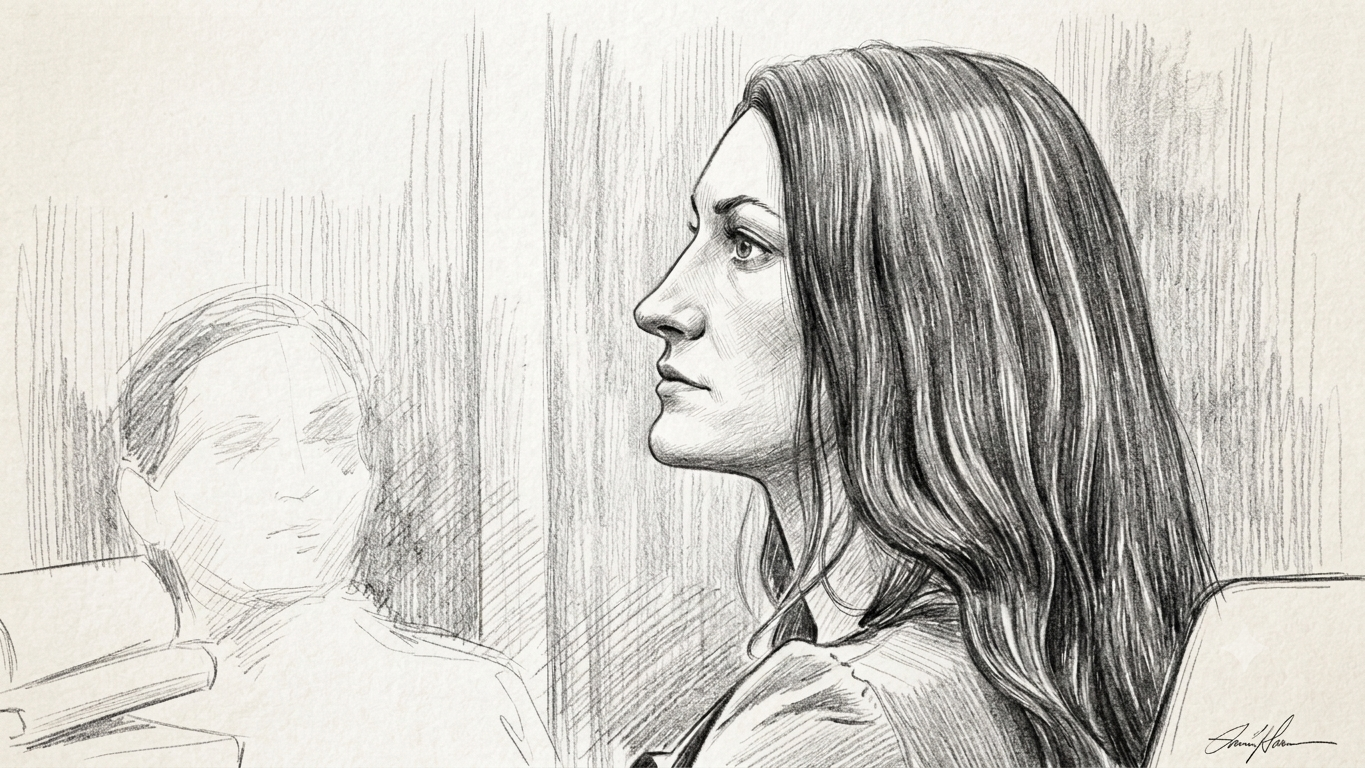
Lindsay Clancy Trial Tests Accountability In Postpartum Psychosis

Thousands of UK Mothers May Have Undiagnosed Birth Trauma

Booker Prize 2026 Shortlist Spans Catastrophe, History and Hidden Lives

Looksmaxxing Influencer Clavicular Charged With Rape

Great White Shark Kills Seal Near Nantucket Shore

Ed Sheeran Describes Personal Toll of Macklemore Tour Fallout