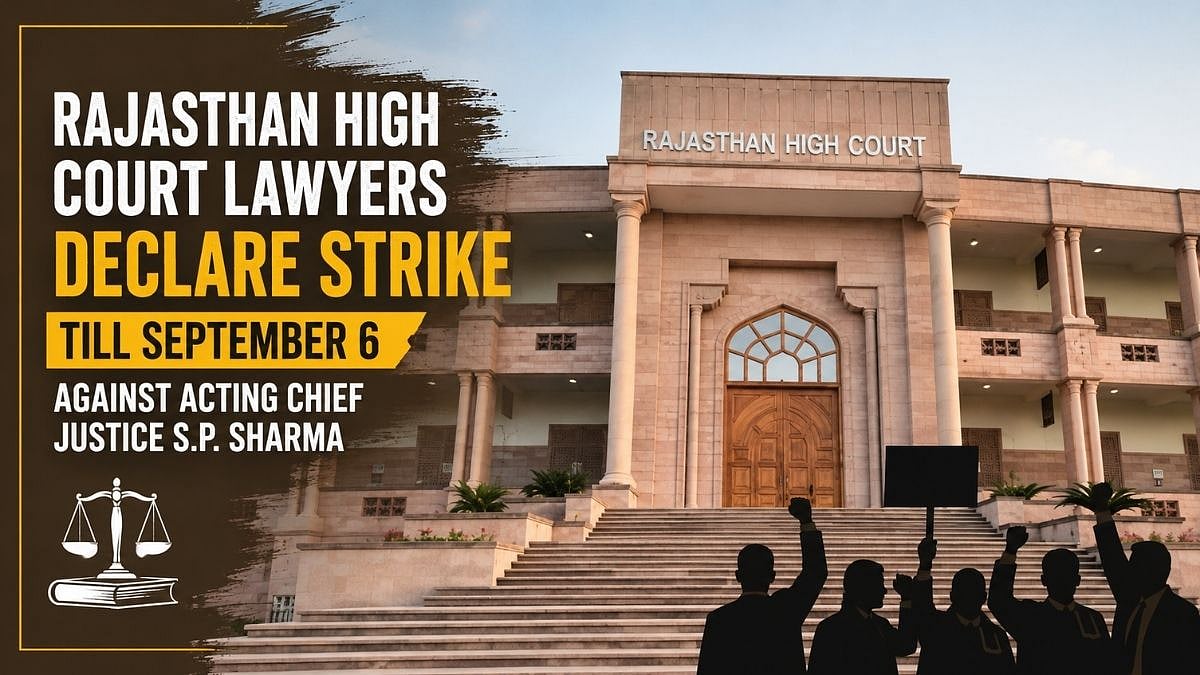
1 day ago
Collegium Recommends Four High Court Chief Justices Amid Rajasthan Row

The Supreme Court Collegium is a group that recommends judges for important court jobs.
On August 31, 2026, it suggested new Chief Justices for four High Courts.
Justice Sanjay K. Agrawal was suggested for the Rajasthan High Court.
Justice Alpesh Yeshvant Kogje was suggested for the Madhya Pradesh High Court.
Justice Dr Pushpendra Singh Bhati was suggested for the Jammu & Kashmir and Ladakh High Court.
Justice Krushna Ram Mohapatra was suggested for the Chhattisgarh High Court.
These suggestions are connected partly to concerns about how the Rajasthan High Court was being run.
A Supreme Court judge had made allegations about the acting Chief Justice, but the Chief Justice of India said the claims must be examined through proper institutional procedures.
The Centre will now process the recommendations, so the appointments are not final yet.

The Supreme Court Collegium recommended four judges for Chief Justice posts at the Rajasthan, Madhya Pradesh, Jammu & Kashmir and Ladakh, and Chhattisgarh High Courts.
Justice Sanjay K. Agrawal was recommended for Rajasthan and separately for transfer from the Chhattisgarh High Court.
Justice Alpesh Yeshvant Kogje was recommended for the Madhya Pradesh High Court, and Justice Dr Pushpendra Singh Bhati for the Jammu & Kashmir and Ladakh High Court.
Justice Krushna Ram Mohapatra was recommended to lead the Chhattisgarh High Court after its incumbent Chief Justice retires on September 4, 2026.
The recommendations followed concerns about Rajasthan High Court administration and will be processed by the Centre under the existing memorandum of procedure.
- Who
- The Supreme Court Collegium, headed by Chief Justice of India Surya Kant, recommended the appointments.
- What
- It recommended four judges as Chief Justices of High Courts and separately recommended Justice Sanjay K. Agrawal's transfer to Rajasthan.
- Where
- The recommendations concern the Rajasthan, Madhya Pradesh, Jammu & Kashmir and Ladakh, and Chhattisgarh High Courts in India.
- When
- The recommendations were made at a Collegium meeting on August 31, 2026; the Chhattisgarh High Court's incumbent Chief Justice is due to retire on September 4, 2026.
- Why
- The recommendations seek to fill or designate Chief Justice posts, with the Rajasthan recommendation coming amid concerns about the High Court's administration.
Concerns Raised
Institutional Process
Rajasthan High Court administration
Concerns Raised
Justice Sandeep Mehta alleged favouritism, misconduct, misuse of administrative powers, and manipulation of case listings by Acting Chief Justice S.P. Sharma, also identified as Justice Sanjeev Prakash Sharma.
Institutional Process
Chief Justice of India Surya Kant said allegations against a sitting judge cannot by themselves be treated as findings and must be examined through established institutional mechanisms, including consideration of Justice Sharma's response.
Appointment of a regular Chief Justice
Concerns Raised
Justice Sandeep Mehta urged the CJI and Collegium to appoint a regular Chief Justice from another High Court and sought the transfer of the acting Chief Justice from Rajasthan.
Institutional Process
The Collegium recommended Justice Sanjay K. Agrawal for the Rajasthan post and separately recommended his transfer, while the appointment remains subject to processing by the Centre.
Key facts
- Collegium meeting
- August 31, 2026
- Rajasthan High Court
- Justice Sanjay K. Agrawal recommended as Chief Justice
- Madhya Pradesh High Court
- Justice Alpesh Yeshvant Kogje recommended as Chief Justice
- Jammu & Kashmir and Ladakh High Court
- Justice Dr Pushpendra Singh Bhati recommended as Chief Justice
- Chhattisgarh High Court
- Justice Krushna Ram Mohapatra recommended as Chief Justice
- Chhattisgarh retirement date
- The incumbent Chief Justice is due to retire on September 4, 2026
- Next step
- The Centre will process the recommendations under the existing memorandum of procedure
Quotes
Supreme Court Collegium
The Supreme Court body that recommends appointments and transfers of High Court judges
“The Supreme Court Collegium, in its meeting held on 31st August, 2026, has recommended elevation of Judges as Chief Justices of the High Courts, as mentioned below,”
 thehansindia.com
“The fact that allegations have been made, therefore, cannot by itself be treated as a finding against the judge.”
thehansindia.com
Sources

Related news

Supreme Court Collegium Recommends New Rajasthan High Court Chief Justice
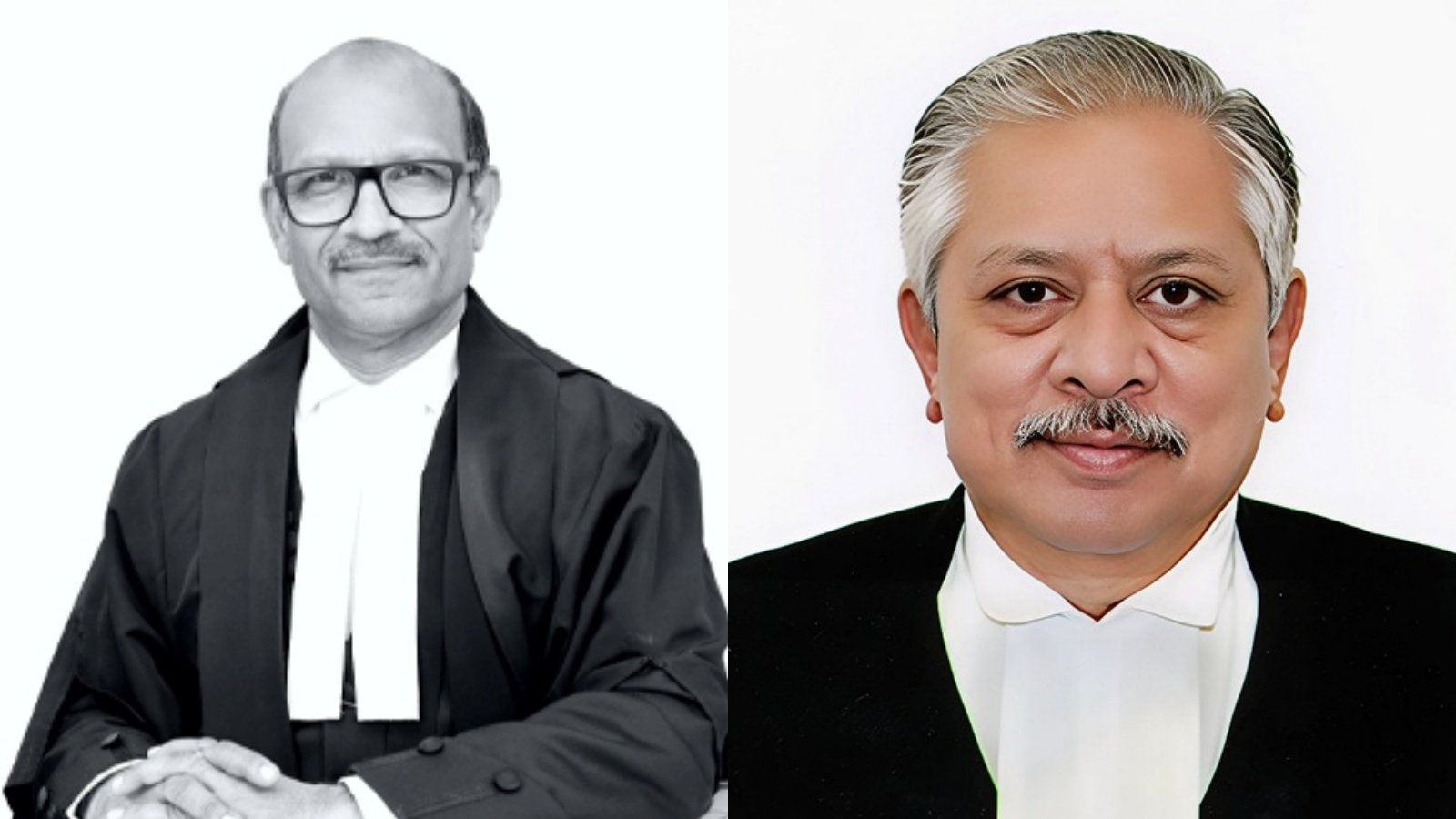
CJI Seeks Responses as Collegium Weighs High Court Appointments
Mehta Seeks Sharma’s Transfer, Full-Time Rajasthan Chief Justice

Justice Mehta Seeks Rajasthan High Court Leadership Change

Collegium Recommends Permanent Chief Justice for Rajasthan High Court
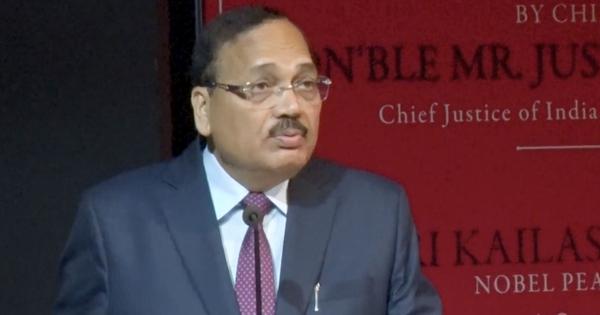
CJI Says Rajasthan Acting Chief Justice Allegations Under Review
PUCL Urges CJI Action Over Rajasthan High Court Allegations
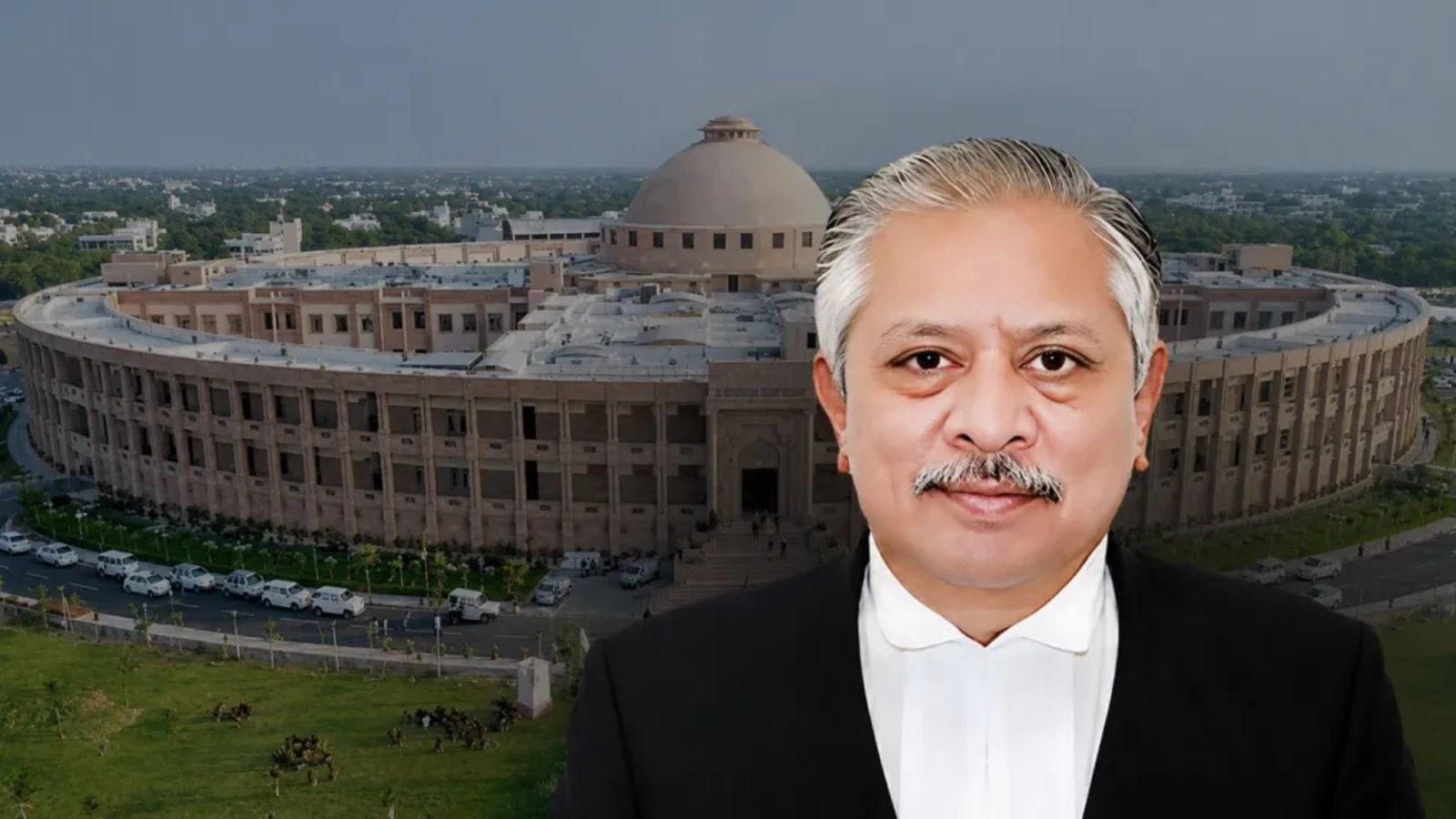
Rajasthan High Court Judge Calls Misuse Allegations Baseless
Rajasthan Acting Chief Justice Takes Leave Amid Lawyer Protests