3 weeks ago
RBI Keeps Tata Sons Waiting on NBFC Deregistration Decision
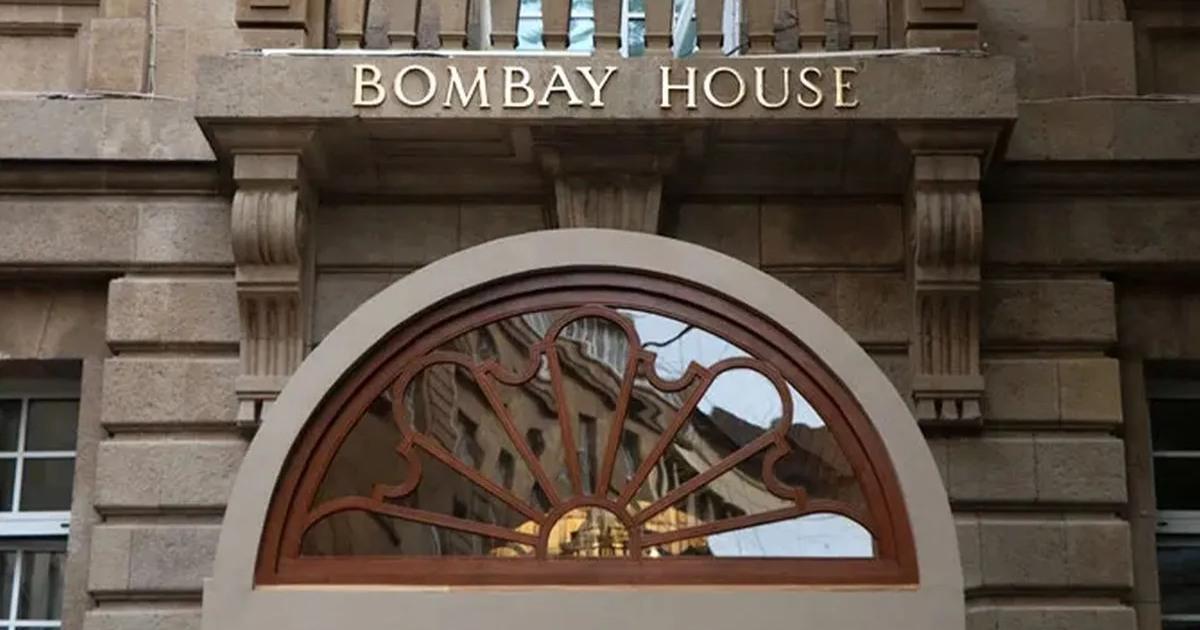
The Indian government has a special bank called the Reserve Bank of India, or RBI, that makes rules for banks and money companies.
Tata Sons is a very big company that owns hundreds of other companies, like car makers and tea brands.
Because Tata Sons is so big, the RBI put it on a special list of companies that must follow extra rules.
One of those rules says Tata Sons must list on the stock exchange, which means selling shares to the public.
Tata Sons asked the RBI to take it off that list, but the RBI has not decided yet.
The RBI says the request is still being examined, so Tata Sons must stay on the list for now.
The big argument is about whether Tata Sons uses the public's money, like money borrowed from banks.
Tata Sons says it does not owe money to banks, so it does not need to follow those rules.
The RBI thinks Tata Sons might still use public money indirectly through the other companies it owns.
The RBI governor says the decision is based on clear rules, and everyone is waiting to find out what happens next.

The RBI retained Tata Sons in its FY27 upper-layer NBFC list while the company's application for deregistration as an NBFC remains under examination.
If deregistration is approved, Tata Sons would no longer be required to comply with upper-layer norms, including listing on the stock exchanges.
From June this year, upper-layer NBFCs are identified under revised criteria as those with assets of ₹1 trillion or more based on the latest audited balance sheet.
The FY27 list has 17 entities, up from 15 in FY25, with REC, Power Finance Corporation, IRFC and HUDCO joining the category.
Experts say the debate centres on the interpretation of "public funds"; Tata Sons had standalone assets of ₹2.01 trillion as of March 31, 2026.
- Who
- The Reserve Bank of India (RBI), Tata Sons and RBI Governor Sanjay Malhotra; expert Abizer Diwanji commented on the debate.
- What
- RBI retained Tata Sons in the FY27 upper-layer NBFC list while continuing to examine its application for deregistration as an NBFC, which would remove the listing requirement.
- Where
- India; Tata Group's headquarters is Bombay House in Mumbai.
- When
- Thursday, when RBI published the FY27 upper-layer NBFC list with reference to financials as of March 31, 2026; Tata Sons' three-year listing deadline expired last year.
- Why
- The dispute centres on whether Tata Sons should be classified as an NBFC with indirect access to public funds through its group companies.
Pro-deregistration view
Regulator's framework view
Interpretation of public funds
Pro-deregistration view
Experts like Abizer Diwanji argue that "public funds" should not be extended to historical equity investments backed by accumulated reserves, since equity is fundamentally different from debt and does not carry the same prudential concerns as public borrowings.
Regulator's framework view
RBI's updated directions, issued on July 1, retain indirect access to public funds through group companies as a criterion; because several Tata group companies raise funds through borrowings, Tata Sons could be deemed to have indirect access to public funds despite being debt-free.
Listing requirement
Pro-deregistration view
If the RBI approves Tata Sons' deregistration, the question of complying with upper-layer requirements, including listing, would cease to arise.
Regulator's framework view
Under the scale-based framework, upper-layer NBFCs are required to list within three years, and Tata Sons' deadline has already expired; it remains in the upper layer unless deregistration is granted.
Key facts
- Regulator
- Reserve Bank of India (RBI)
- Company
- Tata Sons
- Deregistration status
- Under examination, without prejudice to outcome
- FY27 upper-layer NBFC count
- 17 (up from 15 in FY25)
- New entrants
- REC, Power Finance Corporation, IRFC and HUDCO
- Upper-layer asset threshold
- ₹1 trillion or more (revised criteria from June this year)
- Tata Sons standalone assets
- ₹2.01 trillion (as of March 31, 2026)
- Listing deadline
- Expired last year (upper-layer NBFCs must list within three years)
Quotes
RBI Governor Sanjay Malhotra
Governor of the Reserve Bank of India
“The inclusion of Tata Sons in the upper layer list does not materially alter its regulatory position because the RBI has explicitly clarified that it is without prejudice to the company's application for deregistration as an NBFC, which is still under examination.”
 rediff.com
“It is now principle‑based. According to those principles, everyone knows what the list is. That is where the matter stands.”
rediff.com

RBI
Reserve Bank of India statement
“Inclusion of Tata Sons Private Limited in the list of NBFC-UL is without prejudice to the outcome of its application for deregistration, which is under examination.”
rediff.com
Sources
Related news

RBI keeps Tata Sons in upper-layer NBFC list, listing in balance

Tata Sons' Listing Dilemma Hardens as RBI Keeps NBFC Tag
RBI Classifies Tata Sons, 16 Others as Upper-Layer NBFCs
RBI's New NBFC-UL List Ahead; Tata Sons Listing Question Open
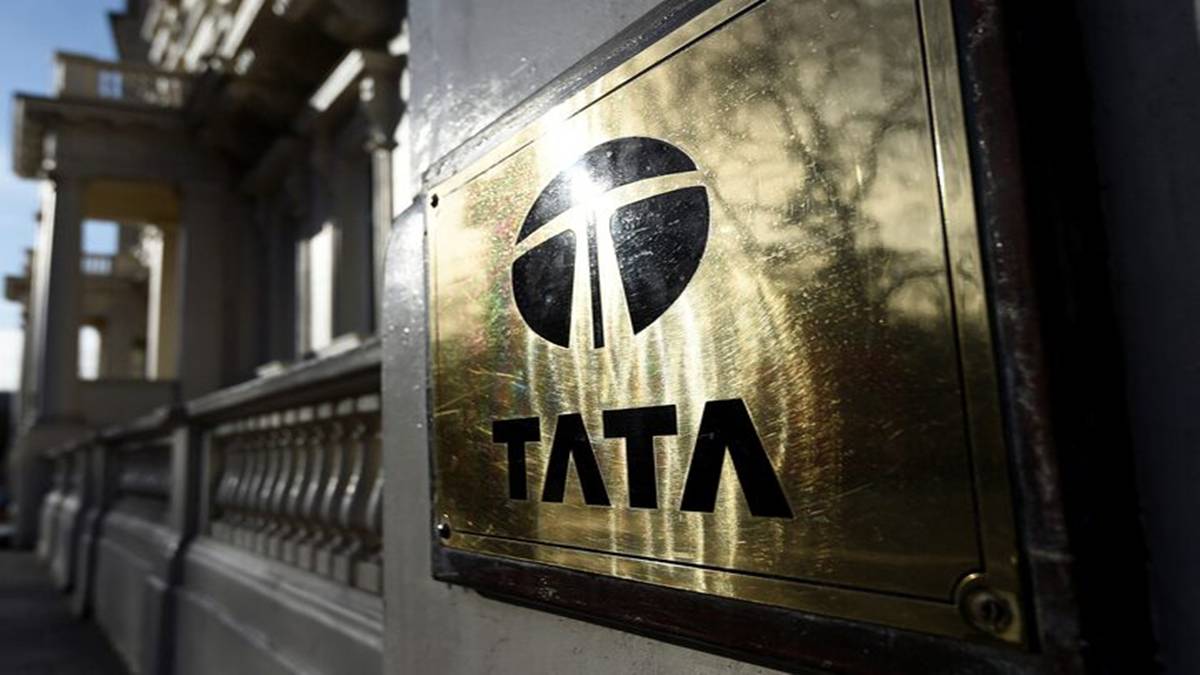
Tata Sons deregistration hinges on RBI's 'public funds' rule

Tata Capital CEO Unconcerned by Proposed NBFC Revolving Credit Norms

RBI Governor Meets US Fed Chief Kevin Warsh at G20

RBI Forex Swap Draws $136.37 Billion, Led by FCNR(B)

Indian Bond Yields Near 7% as Rate Hike Bets Rise

India Hosts BRICS 2026 Amid US-Iran War Tensions

Finance Ministry Flags Global Yield and Inflation Risks for India