3 weeks ago
India's Chief Economic Advisor Defends Deep-Tech Fund Against Conflict Claims
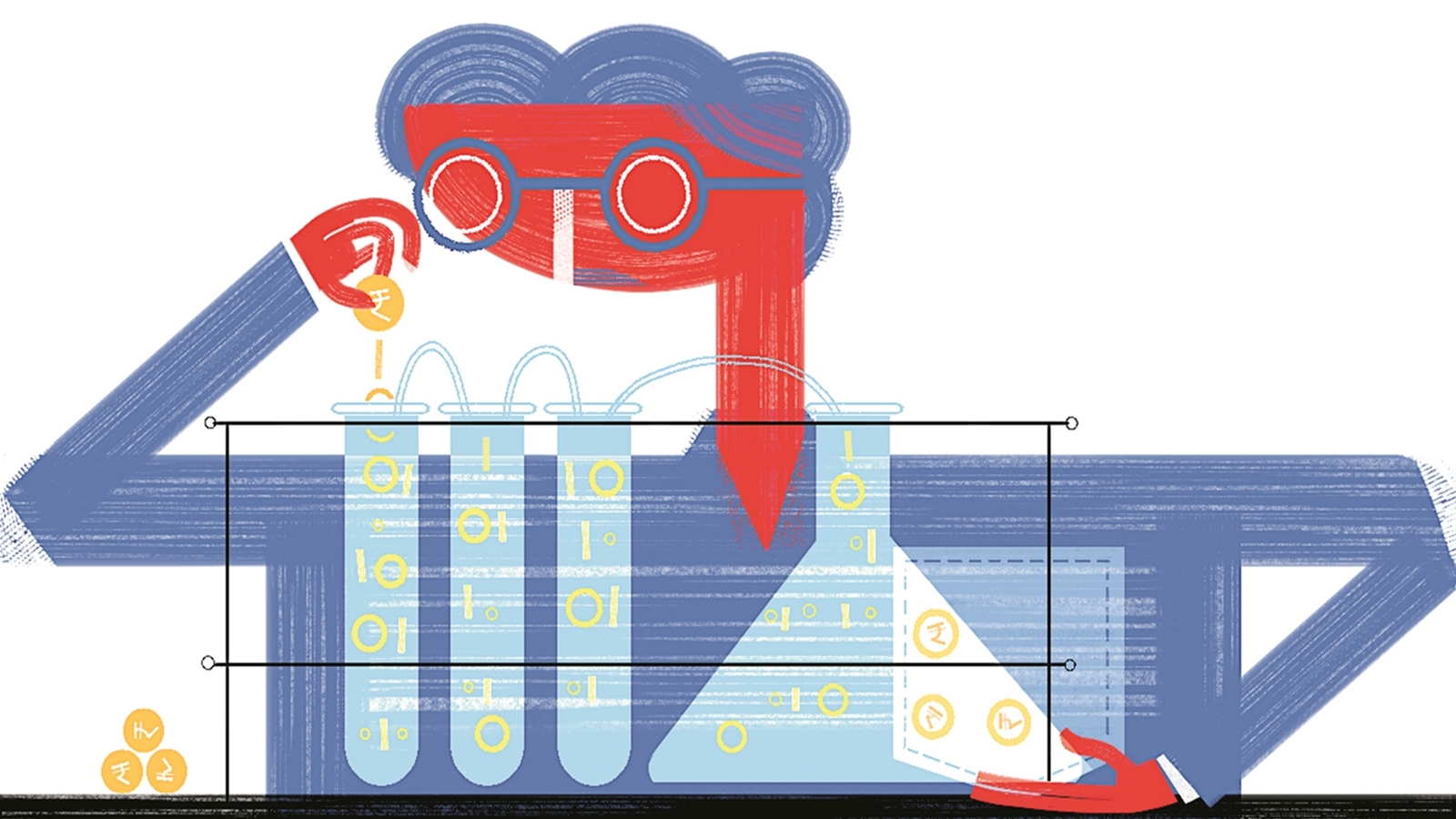
India has a huge amount of money to help special technology companies grow.
The first batch of this deep-tech fund is two thousand crore rupees, part of a much larger one lakh crore program.
Some experts were chosen to decide which companies get the money.
A newspaper reported that many companies in the first batch were connected to the experts doing the choosing.
It said 62 out of every 100 rupees went to companies that panel members had an interest in.
A top government economist wrote an answer defending the fund.
He said the newspaper only looked at a tiny first batch of applicants, and that the full program will pay out over five years through several fund managers.
He listed rules such as a ban on choosing your own company and automatic disqualification for large shareholdings.
He believes the most important test is whether the money helps India succeed, not who got picked first.

An investigative report alleged 62% of the first round of India's deep-tech fund went to companies in which panel members held an interest.
India's Chief Economic Advisor defended the fund, calling the 62% figure "an artefact of sequence, not a pattern of favour."
The first-round amount is ₹2,000 crore, part of a ₹1 lakh crore program to be disbursed over five years through several fund managers.
Only two fund managers have been appointed so far, and the Technology Development Board says the second cohort has one panel-linked firm out of 13.
The fund bars member-founded firms from applying, disqualifies stakes above 10%, and requires a super-majority for selections.
- Who
- The 18th Chief Economic Advisor to the Government of India (who wrote the defense), the deep-tech fund's selection panel (including Gopal Srinivasan), and the newspaper that published the investigative report.
- What
- A dispute over whether the first round of India's deep-tech fund improperly favoured companies with ties to selection panel members.
- Where
- India
- When
- The investigative report was published last week; no specific date is given in the article.
- Why
- To determine whether public money was fairly allocated and whether the conflict-of-interest allegations reflect preferential treatment or the early application process.
Investigative Report / Critics
Government / Chief Economic Advisor
Scale of conflict of interest
Investigative Report / Critics
62% of first-round funding went to firms in which panel members held an interest, signalling favouritism in how public money was allocated.
Government / Chief Economic Advisor
The 62% figure is an artefact of first-come, first-served sequencing, and only 1 of 13 firms in the second cohort has a panel link.
Adequacy of safeguards
Investigative Report / Critics
A small circle of experts clearing one another's ventures, recusing one at a time, does not pass the smell test.
Government / Chief Economic Advisor
The design manages overlap with disclosure rules, advance recusals, a 10% disqualification threshold, super-majority approval, and a second review by a board of secretaries.
What should be audited
Investigative Report / Critics
Public money deserves scrutiny, and conflicts in its allocation should be investigated and reported transparently.
Government / Chief Economic Advisor
The proof of a fund is in its outcomes; the audit worth doing is whether deserving ventures were funded and undeserving ones rejected.
Key facts
- First round fund size
- ₹2,000 crore
- Total program size
- ₹1 lakh crore
- Disbursement period
- Five years
- Fund managers appointed so far
- Two
- Alleged share of first round with panel links
- 62%
- Second cohort firms with panel links
- 1 of 13
- Automatic disqualification stake
- More than 10%
- Government exposure cap
- Half of project cost
Sources
Related news

Government says checks in place after RDI Fund conflict report
Investigation finds tech fund conflicts: 62% lent to panel-linked firms
Minister Welcomes More Safeguards Amid RDI Fund Concerns
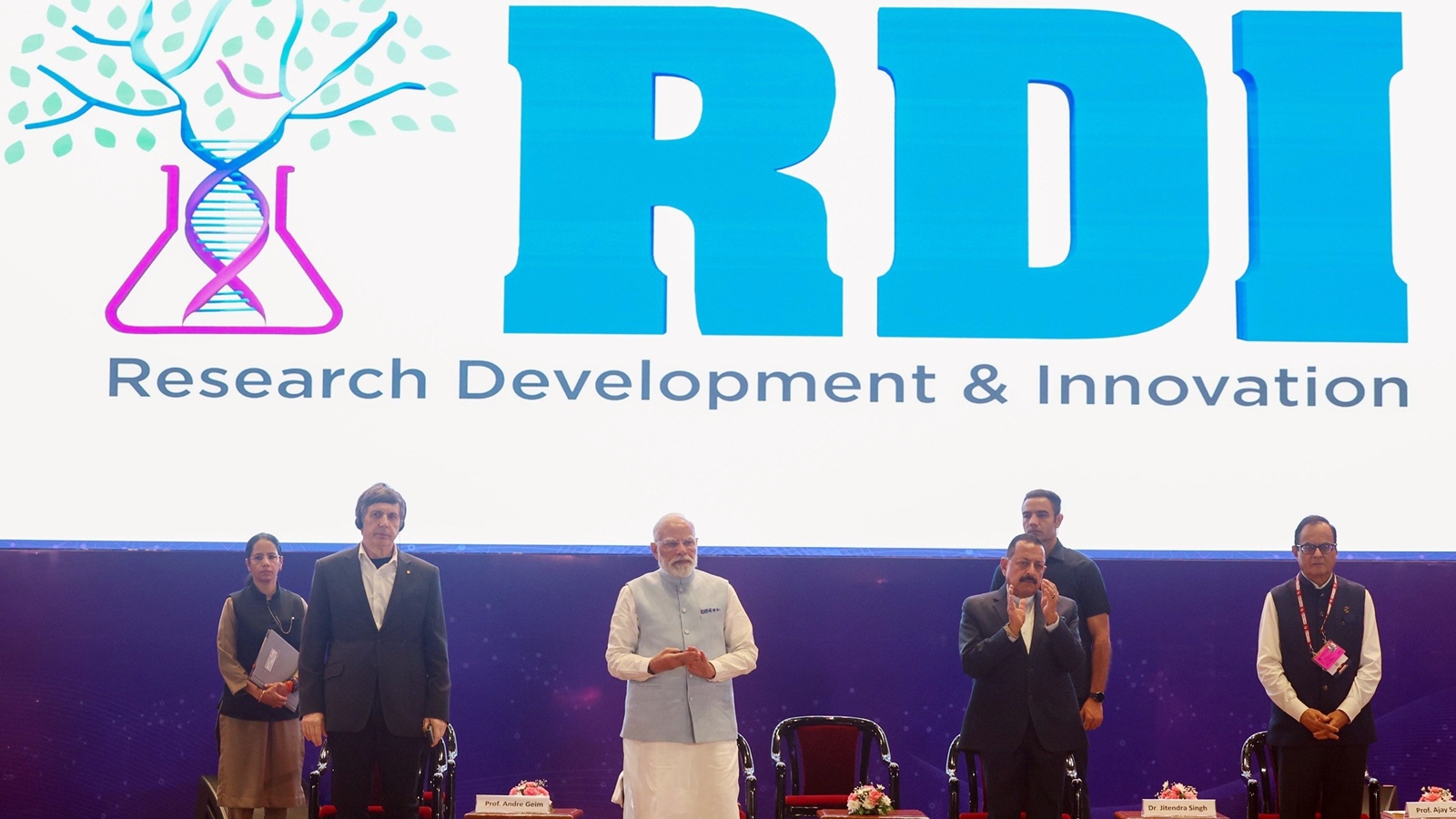
Why Industry Connections Matter to India’s Deep-Tech Fund
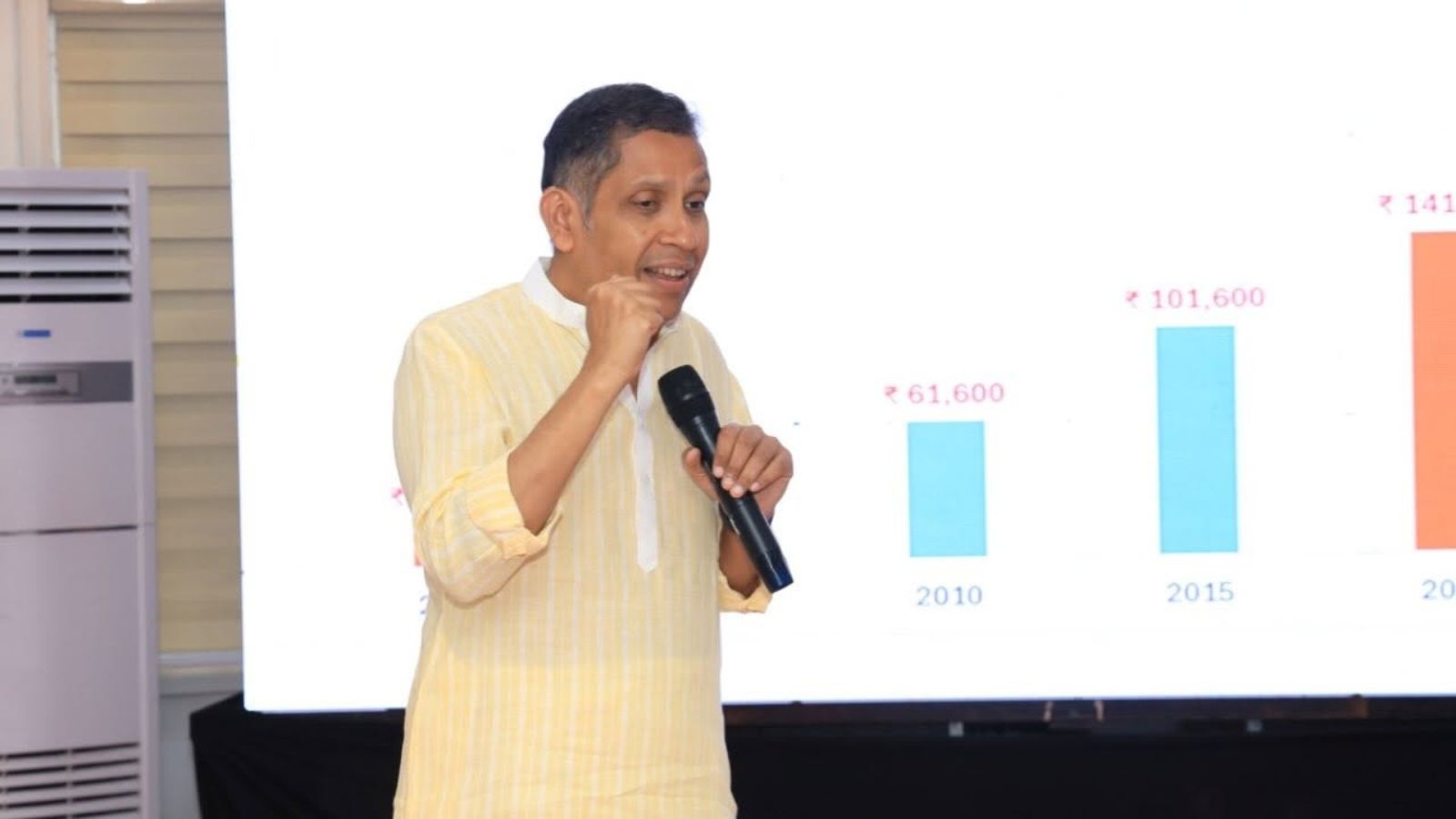
Rajya Sabha MP flags deep-tech grants worth Rs 1,377 crore
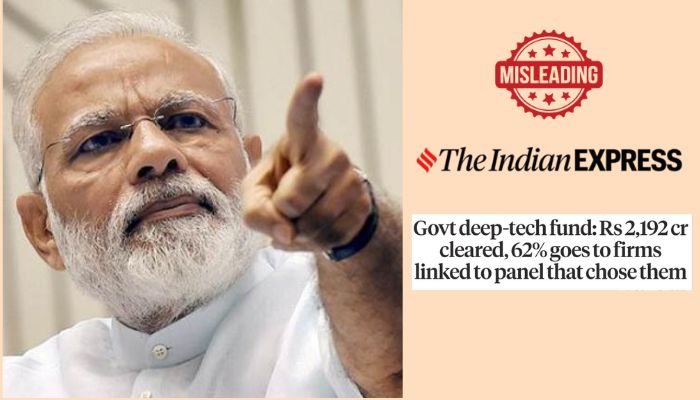
Indian Express RDI fund report draws criticism over conflict-of-interest claims

AI Tax Debate Weighs Worker Safety Nets Against Growth

India Needs Patient, Accountable Capital for Deep-Tech Startups

India’s ₹1 Trillion RDI Fund Nears Next Manager Selection

India's Rs 1 trillion plan for defence prototypes towards production