

2 hrs ago
Amazon Profits Rise as More Workers Rely on Assistance
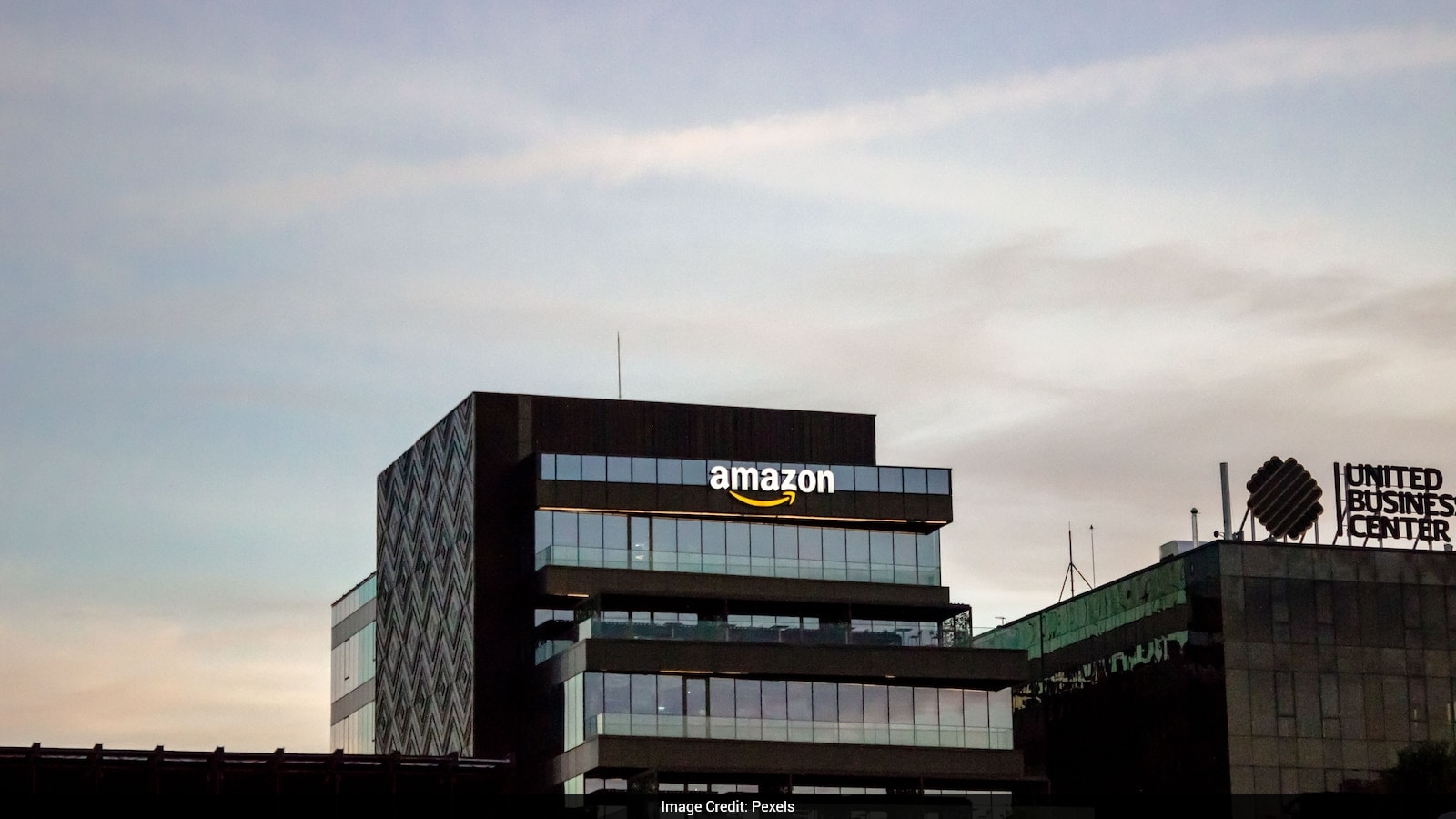
Amazon is making much more money, but many of its workers still need government help.
A report found that thousands of Amazon workers used food assistance or Medicaid in 11 states.
The number was nearly three times higher than in 2020.
Amazon says its pay and health benefits are among the best in the industry.
Economists say many working people still earn too little to cover basic needs.
Workers now receive a smaller share of the money produced by the economy.
Union membership has also fallen, giving workers fewer opportunities to negotiate.
Some companies use contractors instead of directly employing workers, which can reduce benefits.
The report has led to disagreement about whether Amazon’s benefits and pay adequately support its employees.

A Government Accountability Office report found 12,346 Amazon workers used SNAP across 11 states.
The report also identified 11,338 Amazon workers relying on Medicaid, nearly triple the 2020 figure.
Amazon’s annual profits rose from $11.6 billion to $77.7 billion during the comparison period.
Amazon revenue increased 12% year over year to a reported record $717 billion in 2025.
Analysts link shrinking labor share to weaker union representation and the growth of contract work.
- Who
- Amazon workers, the Government Accountability Office, Amazon spokesperson Rachael Lighty, and labor and economic analysts.
- What
- A report examined Amazon workers receiving food assistance and Medicaid amid rising company profits and a declining labor share.
- Where
- The assistance data covered Amazon workers across 11 states in the United States.
- When
- The comparison includes 2020 assistance data, 2025 revenue and union figures, and a longer trend developing over about 50 years.
- Why
- The report and analysts attribute the situation to low incomes, declining union representation, and the increased use of contract workers, while Amazon disputes the interpretation.
Critics and Labor Analysts
Amazon
Interpretation of Assistance Data
Critics and Labor Analysts
The Government Accountability Office and analysts say the figures show that many people with jobs, including full-time work, still have incomes too low to meet basic needs.
Amazon
Amazon spokesperson Rachael Lighty said the conclusion drawn from the report is wrong.
Pay and Benefits
Critics and Labor Analysts
Analysts argue that workers are receiving a shrinking share of economic gains and that weaker unions and contract work can reduce wages and benefits.
Amazon
Amazon says its pay is among the best in the industry, and that regular full-time employees receive health care from their first day for about $5 per week with $5 employee-only copays.
Healthcare Coverage
Critics and Labor Analysts
The reported Medicaid reliance is presented as evidence that some Amazon workers still need public assistance despite the company’s growth.
Amazon
Amazon says 74% of its regular full-time employees are enrolled in an Amazon health insurance plan, compared with a reported 65% private-sector take-up rate for full-time workers.
Key facts
- Amazon SNAP recipients
- 12,346 workers across 11 states were reported as using the Supplemental Nutrition Assistance Program.
- Amazon Medicaid recipients
- 11,338 workers across 11 states were reported as relying on Medicaid.
- Profit increase
- Amazon’s annual profits rose from $11.6 billion to $77.7 billion during the comparison period.
- 2025 revenue
- Amazon revenue rose 12% year over year, from $638 billion to $717 billion.
- Labor share
- The U.S. labor share fell to 52.8%, the lowest level since Bureau of Labor Statistics tracking began in 1947.
- Union representation
- The share of U.S. workers represented by unions fell from 20.1% in 1983 to 10.0% in 2025.
- SNAP income limit
- SNAP eligibility generally covers incomes of about 130% of the poverty line.
Quotes
Rachael Lighty
Amazon spokesperson responding to the GAO report
“When you look at the facts, you see that Amazon pay is among the best in the industry, regular full-time employees have access to health care from their first day-at only $5 per week with $5 copays for employee-only coverage-and 74% of our regular full-time employees are enrolled in an Amazon health insurance plan, well above the 65% private-sector take-up rate for full-time workers.”
 NDTV
NDTV
“What this analysis really points to is the large number of people who have very low incomes and continue to have very low incomes”
NDTV
Sources
Related news

Falling Labor Force May Mask Deepening US Hardship

Employee influencers bring marketing opportunities—and legal risks for companies

Tech Job Cuts Reach 128,536 as Amazon Reduces Workforce
Economist Warns Disposable Jobs Impose Costs on US Workers

Mamdani’s Progressive Agenda Brings New York City Head-to-Head With Amazon

Social Security 2027 COLA Estimates Rise to 3.5%-3.6%

August US Inflation Holds Steady as Fed Decision Nears

Global Bond Selloff Pushes 10-Year Treasury Yield Toward 5%

AI Hiring Boom Spreads Across US Tech, Construction, Infrastructure
