

14 hrs ago
Employee influencers bring marketing opportunities—and legal risks for companies
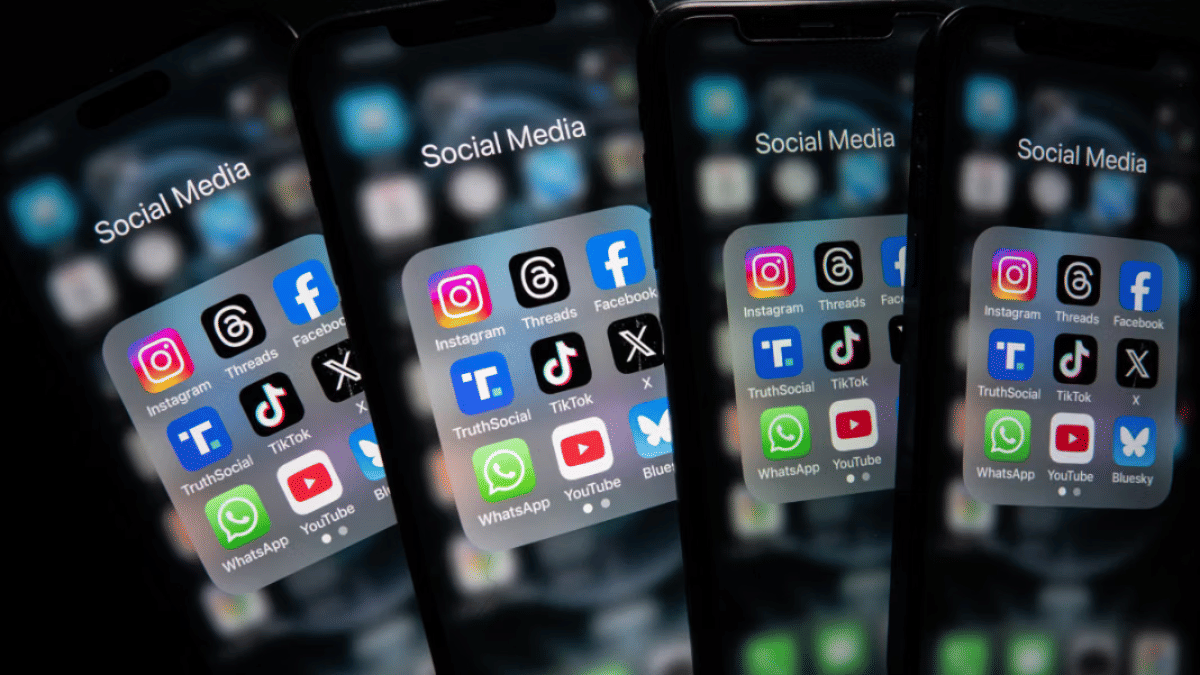
Employee influencers are workers who use their own social media accounts to talk about their jobs or promote their employers.
Companies may use them to show workplace culture and reach more people.
Starbucks partnered with TikTok to support employee storytelling.
Gap Inc.
also expanded programs involving employees and social media.
Some companies may offer revenue sharing, free trips, products, or other benefits instead of extra pay.
This can create questions about whether employees should receive wages for the work.
U.S. labor law may require payment when companies know employees are doing work.
There can also be arguments over who owns posts made on personal accounts.
These issues may create legal problems for companies.

Employee influencers use personal social media accounts to share work experiences and promote company culture.
Starbucks partnered with TikTok, while Gap Inc. expanded employee-focused creative and social media programs.
Companies may compensate participants through revenue sharing, perks, products, or opportunities instead of direct payments.
The Fair Labor Standards Act can require monetary compensation for work employers knew or should have known about.
Content ownership and post-employment rights can become complicated when employees use personal accounts to build audiences.
- Who
- Employees participating as creators and the companies using their social media presence, including Starbucks, Gap Inc., and Walmart.
- What
- Companies are using employee influencers to promote products, share workplace experiences, and shape brand perceptions, creating questions about compensation and content ownership.
- Where
- The trend is discussed primarily in the United States, with additional legal concerns noted in states such as California.
- When
- Why
- Companies want to use workers’ social media followings and employee-driven storytelling to promote products and company culture.
Business opportunity
Employee and legal concerns
Using employee audiences
Business opportunity
Companies can use employees’ established social media followings to promote products, share workplace culture, and tell more personal brand stories.
Employee and legal concerns
Using personal accounts can blur the boundary between an employee’s private online presence and their job responsibilities.
Compensation
Business opportunity
Companies may provide content opportunities, ad revenue sharing, free trips, products, or other perks for participating employees.
Employee and legal concerns
Labor rules may require monetary compensation when employers know or should know that employees are performing work, including potentially compensable overtime.
Content ownership
Business opportunity
Employers may claim ownership of work created within the scope of employment under U.S. copyright law.
Employee and legal concerns
Ownership is less clear when employees create content on personal accounts and build audiences that remain connected to them after employment ends.
Key facts
- Definition
- An employee influencer is a staff member who uses a personal social media presence to share work experiences, promote company culture, and shape views of a brand.
- Starbucks and TikTok
- Starbucks announced a partnership with TikTok to support employee-driven storytelling, including content opportunities and ad revenue sharing.
- Gap Inc.
- Gap Inc. expanded its creative affiliate and social media programs to include employees.
- Compensation practices
- Some companies may offer revenue sharing, free trips, products, or other perks rather than direct additional pay.
- Labor law
- The U.S. Fair Labor Standards Act requires monetary compensation for work employers knew about or had reason to believe was being performed.
- Overtime risk
- Work performed beyond 40 hours in a workweek may create exposure to civil penalties, back wages, liquidated damages, and legal costs.
- Ownership question
- Content created on personal accounts can complicate ownership and post-employment rights, even though work within an employment scope is generally owned by employers under U.S. copyright law.
Sources
Related news
Influencer Pleads Guilty After Arizona Business Prank Takeovers
McDonald’s India X Posts Spark Unpaid Intern Controversy
Twitch, Amazon Sued Over Alleged AI Training Use
OnlyFans Owner Received £513m in Dividends Before His Death

Worker’s Unpaid Overtime Sparks Debate After 15-Minute Delay
Mamdani’s Influencer Network Draws Scrutiny Over Access and Payments

Anthropic Backs Massachusetts AI Safety Bill, OpenAI and Google Oppose

NASA Engineers Use “Big Bang” to Extend Aging Voyager Mission
Report Says Inspur Routed U.S. AI Technology Through Southeast Asia
Newsom's South Carolina Push, $1.7 Million Network Hint at 2028
