3 days ago
AI Hiring Boom Spreads Across US Tech, Construction, Infrastructure
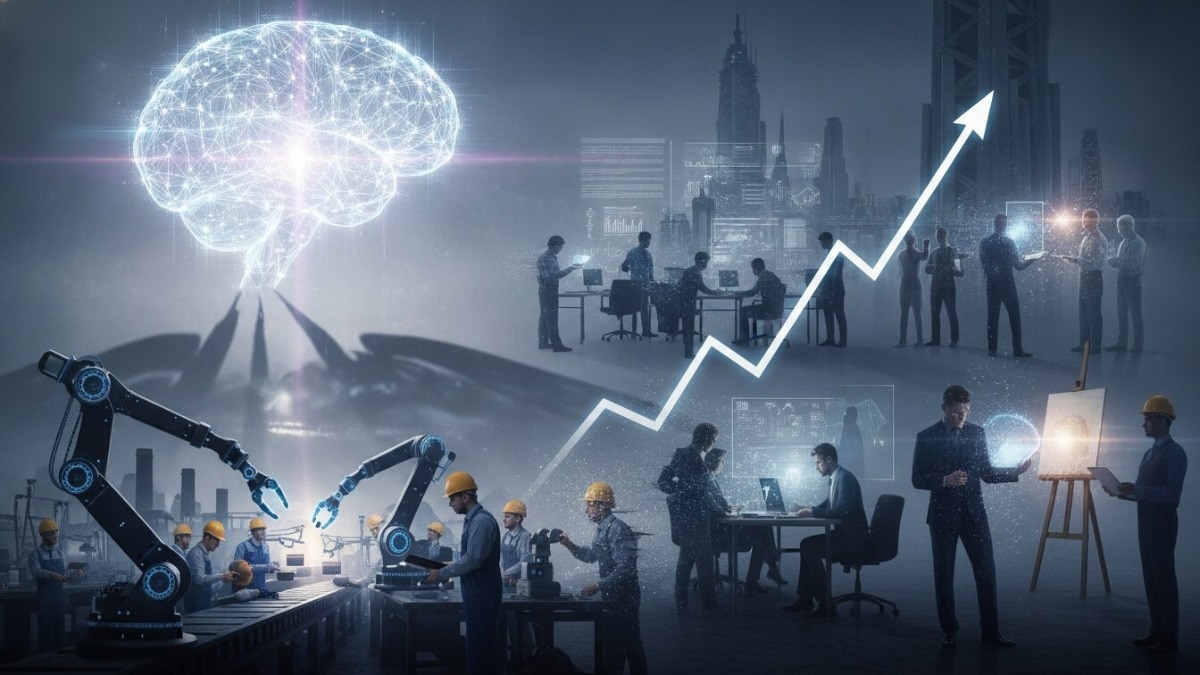
AI is creating many new jobs in the United States.
Some of these jobs involve building software and working with data.
Other jobs involve protecting AI systems and designing their engineering systems.
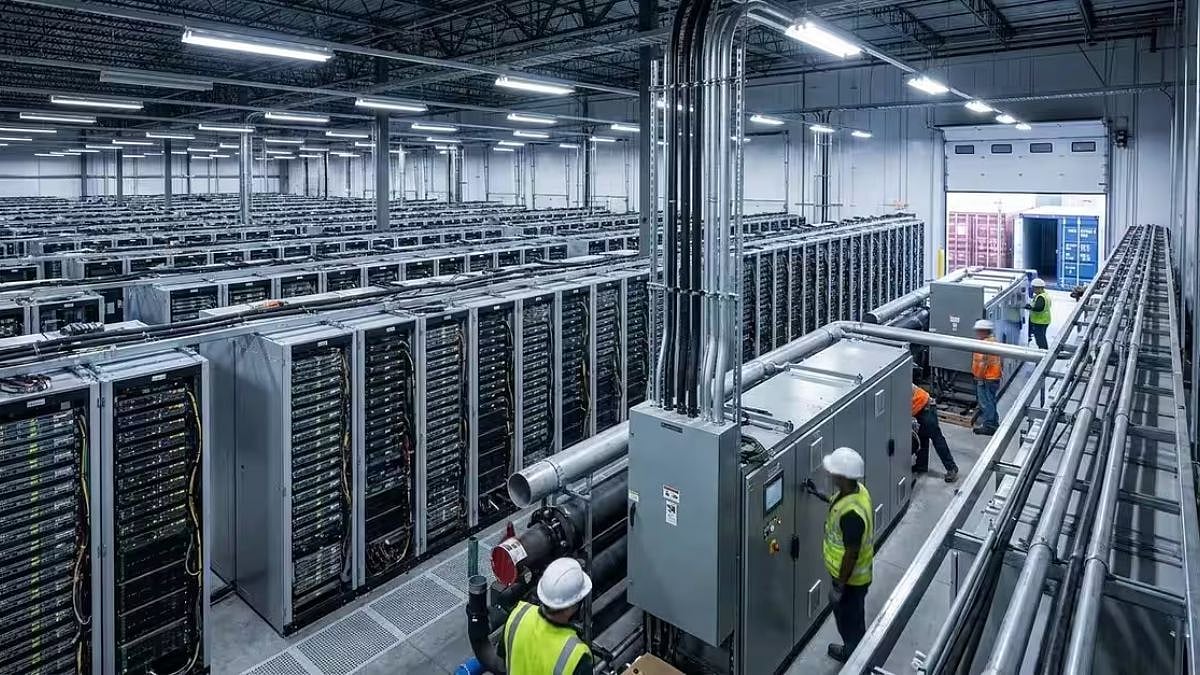
AI also needs large buildings called data centers.
Construction workers, electricians, plumbers and heating and cooling specialists help build and operate them.
This means AI is creating jobs outside the technology industry.
However, some repetitive office and customer-service jobs may be reduced by automation.
The overall change is a mix of new opportunities and job disruption.

Data cited from The Economist and based on US Bureau of Labor Statistics figures shows AI-related jobs rising sharply since 2024.
Software, mathematics, data science, cybersecurity and engineering occupations have recorded substantial gains, especially in 2025 and 2026.
AI infrastructure investment has increased demand for electrical, HVAC, plumbing, construction and electrical-equipment manufacturing workers.
AI-related infrastructure jobs approached 300,000 by 2026, according to the cited chart.
Routine administrative, back-office and customer-service roles remain vulnerable as companies use AI to automate tasks.
- Who
- US technology workers, engineers, data scientists, cybersecurity professionals, construction workers and infrastructure specialists are affected.
- What
- AI-related employment is rising across technology occupations and the physical infrastructure needed to build and operate AI systems.
- Where
- Across the United States.
- When
- The increase has occurred since 2024, with especially pronounced growth in 2025 and 2026.
- Why
- Companies are investing in AI software, data centers, power systems, cooling equipment and network infrastructure, while using AI to automate some routine work.
AI as a Job Creator
AI as a Source of Disruption
Overall employment effect
AI as a Job Creator
AI investment is creating jobs in software, data, cybersecurity, engineering and physical infrastructure, including construction and equipment manufacturing.
AI as a Source of Disruption
AI can reduce demand for repetitive administrative, back-office and customer-service work as companies automate tasks.
What workers face
AI as a Job Creator
The current pattern suggests work is changing rather than simply disappearing, with new opportunities for workers who build, deploy, secure and maintain AI systems.
AI as a Source of Disruption
Workers may need new skills because employers are changing the abilities they demand, and some occupations remain vulnerable.
Key facts
- Data source
- The Economist, citing US Bureau of Labor Statistics figures
- Period covered
- Since 2024, with stronger acceleration in 2025 and 2026
- Technology occupations
- Software development, mathematics, data science, information security analysis, engineering and other computer occupations
- Infrastructure occupations
- Electrical contracting, HVAC, plumbing, utility-system construction, commercial construction and electrical-equipment manufacturing
- Infrastructure jobs
- The cited chart shows additional infrastructure jobs approaching 300,000 by 2026
- Broader estimate
- A cited post describes more than 1 million new positions associated with AI activity
- Employment risk
- Routine administrative, back-office and customer-service roles remain vulnerable to automation
Sources
Related news

AI Infrastructure Boom Creates Around One Million Jobs Despite Layoffs
Nvidia CEO Says AI Is Reindustrialising America, Reviving Jobs

Goldman Sachs Warns AI May Reshape Jobs, Especially Entry-Level Work

Investor Says AI Data Centres Benefit Working-Class Americans
US AI Infrastructure Investment May Reach $1.4 Trillion

India Job Postings Recover as Healthcare Hiring Surges, Tech Slows

Strong Jobs Data Puts Fed September Rate Decision In Focus

Trump Links Trade Cutoffs to Fed Rate-Cut Demands

Strong Jobs Report Raises Stakes for Upcoming Inflation Data

US Economy Adds 162,000 August Jobs as Unemployment Holds Steady