1 week ago
Eight Indian Gins Showcase Botanicals, Terroir and Local Craftsmanship
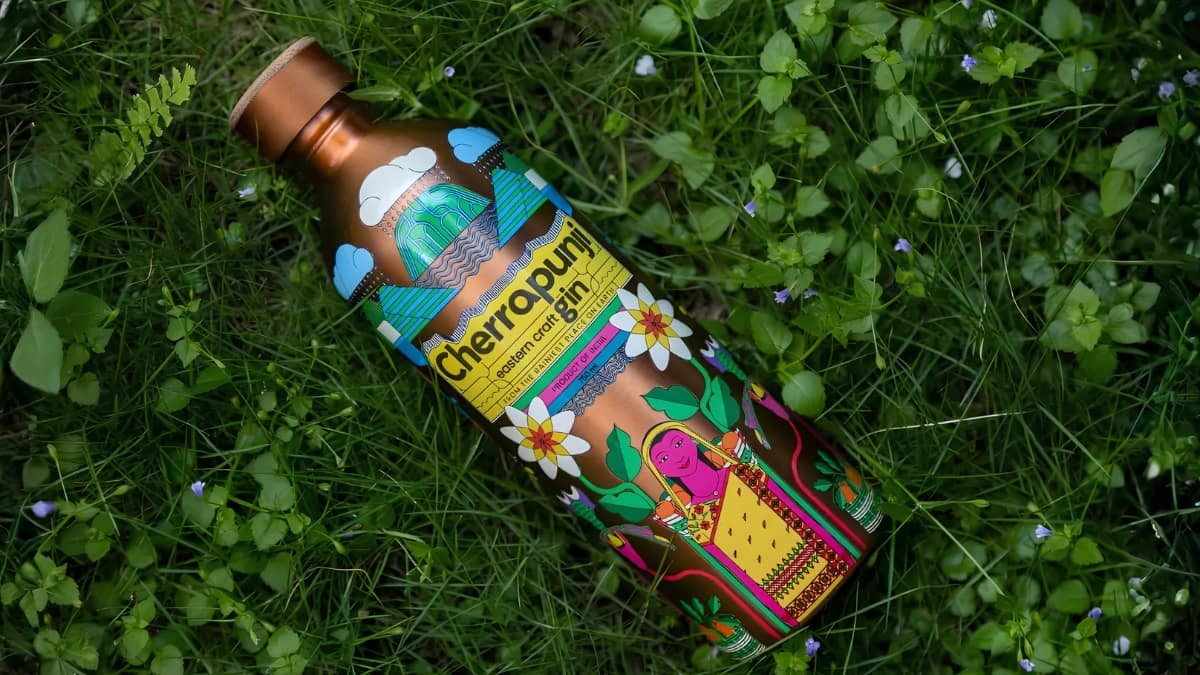
India is making many different kinds of gin.
Gin is an alcoholic drink often mixed with tonic water.
Indian distillers use ingredients from different parts of the country to give their gins special flavors.
These ingredients include juniper, lemons, mandarins, spices, rose petals and cashews.
Some gins are made in the Himalayas, Rajasthan, Goa or the Northeast.
One gin uses rainwater collected from Cherrapunji and Mawsynram.
Several Indian gins have won prizes in international competitions.
The article recommends tasting a new gin with tonic or soda water before using it in cocktails.

India’s modern gin renaissance began in the late 2010s and continues to expand globally.
The featured gins use regional ingredients including Himalayan juniper, Gondhoraj lemon, Khasi mandarin and Goan cashew.
Greater Than, Stranger and Sons, Terai and Kumaon and I combine Indian botanicals with established gin-making traditions.
Samsara – The City of Pink, Seqer, Gingalalahu and Cherrapunji offer distinctive regional styles and production methods.
Indian gins have received international recognition, including awards at the Global Gin Masters, World Gin Awards and IWSC.
- Who
- Indian homegrown gin distilleries and craft-gin producers.
- What
- They are producing eight distinctive Indian gins featuring regional botanicals, flavors and craftsmanship.
- Where
- India, including Rajasthan, Uttarakhand, Goa, Jaipur and northeastern regions such as Meghalaya, Arunachal Pradesh and Sikkim.
- When
- India’s modern gin wave began in the late 2010s; the article also cites awards received in 2025 and 2026.
- Why
- Distillers are combining Indian ingredients and traditions with gin-making methods while responding to growing cocktail and fine-bar culture.
Key facts
- Featured products
- Greater Than, Stranger and Sons, Terai, Kumaon and I, Samsara – The City of Pink, Seqer, Gingalalahu and Cherrapunji.
- Modern gin wave
- India’s modern gin renaissance began in the late 2010s.
- Notable botanicals
- Himalayan juniper, Gondhoraj lemon, Khasi mandarin, black turmeric, timur, rose petals, hibiscus, strawberries and cashew.
- Gingalalahu production
- It is handcrafted in small batches of 200 litres and contains nine botanicals without artificial flavorings or added sweeteners.
- International recognition
- Gingalalahu won Gold at the Global Gin Masters 2025 in the Super Premium Category and received further recognition in 2026.
- Cherrapunji gin
- It is made with rainwater from Cherrapunji and Mawsynram and uses Khasi mandarin and juniper from Arunachal Pradesh and Sikkim.
- Serving suggestion
- The article recommends first trying each gin with simple tonic or soda water to understand its flavor profile.
Sources
Related news
Jamun Finds a Premium Place in India’s Beverages

Yumit Kumar Wins India’s First Grand Gold Maestro Bartending Title
Diageo to reformulate India whisky, rum after flavouring ban
Goa’s Kadamba Whisky Wins Single-Malt Award in US
India’s Drinking Culture Faces New Rules and Expectations

Meghalaya-Assam Taxi Standoff Continues as Tourists Remain Stranded

Supreme Court Cancels Bail, Accused Surrenders in Meghalaya Murder Case

Valsad Braces for More Heavy Rain After Record-Breaking Downpour

Valsad records third-highest daily rainfall in India