2 hrs ago
Editorial Urges Government to Engage With Protesters
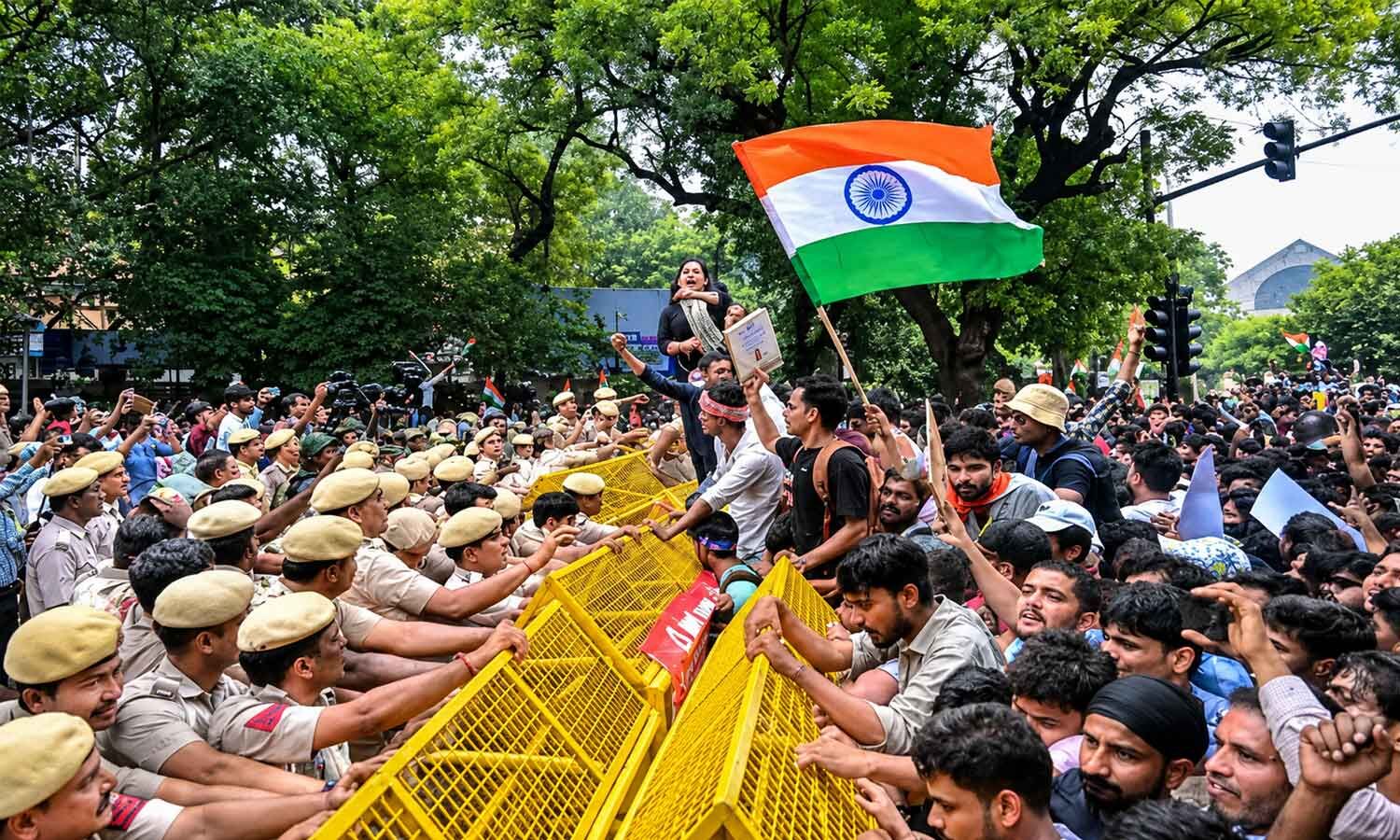
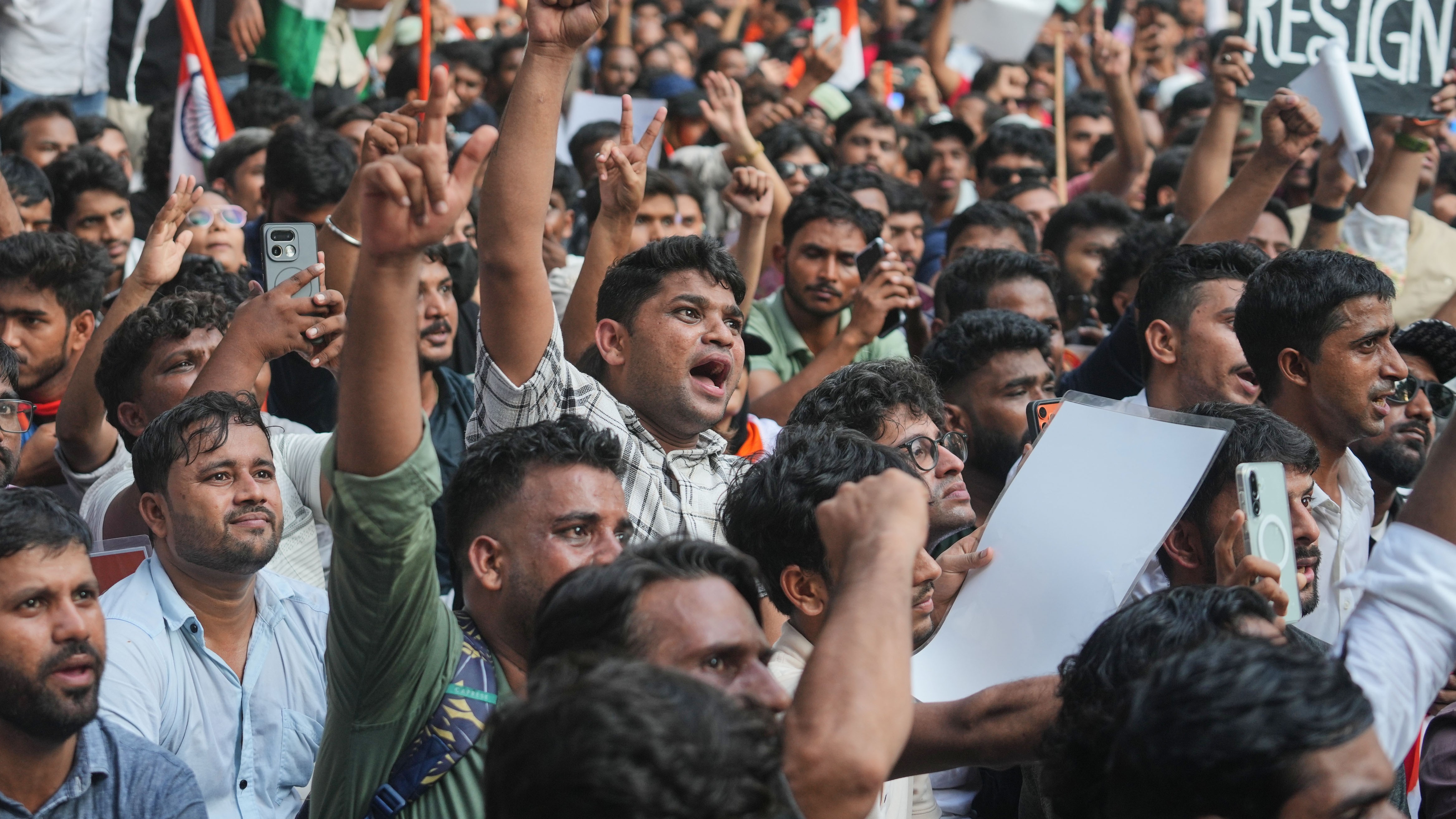
The Cockroach Janta Party held protests about alleged problems with voter lists.
The editorial says the government responded with heavy police action and restrictions on travel and internet access.
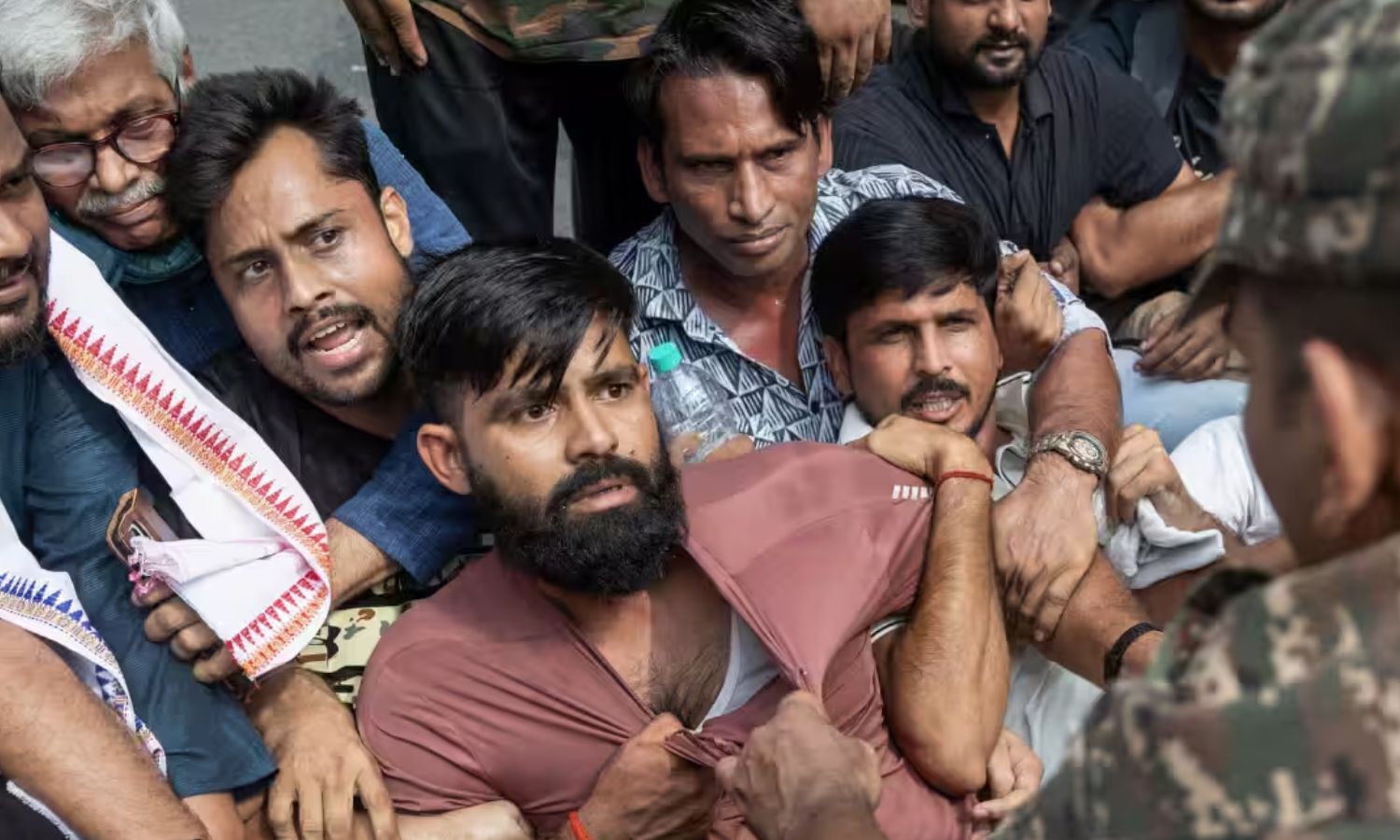
Many protesters, including party leaders, were detained.
A United Nations human rights spokesperson called for the right to peaceful protest to be respected.
The government said India protects that right through its Constitution and institutions.
The Supreme Court ordered services and public movement to return to normal during the protests.
The editorial says the government should explain the voter-list concerns with evidence, not force.
It also says peaceful disagreement is part of democracy.

The editorial says authorities used extensive restrictions and detentions during Cockroach Janta Party protests over alleged electoral-roll irregularities.
It says thousands of protesters and party leaders were detained, while Metro services, trains, internet access, and public movement were disrupted.
A United Nations human rights spokesperson urged India to respect peaceful assembly and ensure restrictions were necessary and proportionate.
The Supreme Court ordered normal Metro services, internet restoration, and free public movement amid the protests; a magistrate court released CJP leaders.
The editorial urges the government to address the allegations transparently, investigate claims of excessive police action, and allow peaceful protest.
- Who
- The Cockroach Janta Party, its protesters and leaders, and the Indian government and authorities.
- What
- Protests over alleged electoral-roll irregularities were met with restrictions and detentions; the editorial calls for engagement and restraint.
- Where
- Delhi, India.
- When
- The protests and related court proceedings took place around the time of the article; it also refers to an earlier Supreme Court direction dated October 9.
- Why
- The CJP was protesting alleged irregularities in electoral rolls.
Criticism of the response
Government's stated position
Handling of protests
Criticism of the response
The editorial characterizes police deployment, transport and internet restrictions, and detentions as disproportionate and damaging to civil liberties.
Government's stated position
The government says India's Constitution guarantees peaceful assembly and that robust institutions, an independent judiciary, and free media safeguard that right.
Alleged electoral irregularities
Criticism of the response
The editorial says authorities should respond to the allegations with transparent explanations and credible evidence rather than coercive action.
Government's stated position
The article reports the allegations and the government's position on democratic safeguards, but does not provide a specific government explanation of the electoral-roll claims.
Key facts
- Protest group
- Cockroach Janta Party (CJP)
- Protest issue
- Alleged electoral-roll irregularities
- UN response
- Spokesperson Thameen Al-Kheetan urged respect for peaceful assembly and restraint.
- Government response
- The Foreign Office said peaceful assembly is guaranteed by the Constitution and safeguarded by institutions.
- Supreme Court orders
- Normal Metro services, internet restoration, and free public movement amid the protests.
- Court action
- A Delhi executive magistrate court released CJP leaders.
- Earlier court direction
- The editorial refers to an October 9 direction concerning Metro and train services during protests.
Quotes

India’s Foreign Office
The Indian government’s foreign affairs department, quoted responding to UN criticism.
“India is the world’s largest democracy, where the right to peaceful assembly is guaranteed by our Constitution and safeguarded by robust institutions, an independent judiciary, and a free media.”
 thehansindia.com
Sources
Related news
Delhi Protests Test Balance Between Dissent and Public Order
Engage With Protesters, Do Not Suppress Peaceful Dissent

Tharoor Calls Delhi Security Curbs an ‘Undeclared Emer-GenZ’
Dialogue Urged as CEC-Opposition Protests Enter New Phase
CJP Accuses Centre of Crackdown Amid Election Accountability Protest

CJP Protest Sparks Emergency Claims Over Delhi Security Restrictions
CJI Surya Kant Declines Meeting With Opposition Leaders

CJP Protests Continue in Delhi Amid Detentions and Court Intervention
Left Parties Demand SIR Cancellation, Chief Election Commissioner’s Resignation
Revanth Reddy Accuses BJP of Turning Goa Into Drug Hub