2 days ago
Supreme Court Dismisses Plea For Ethanol Disclosure At Pumps

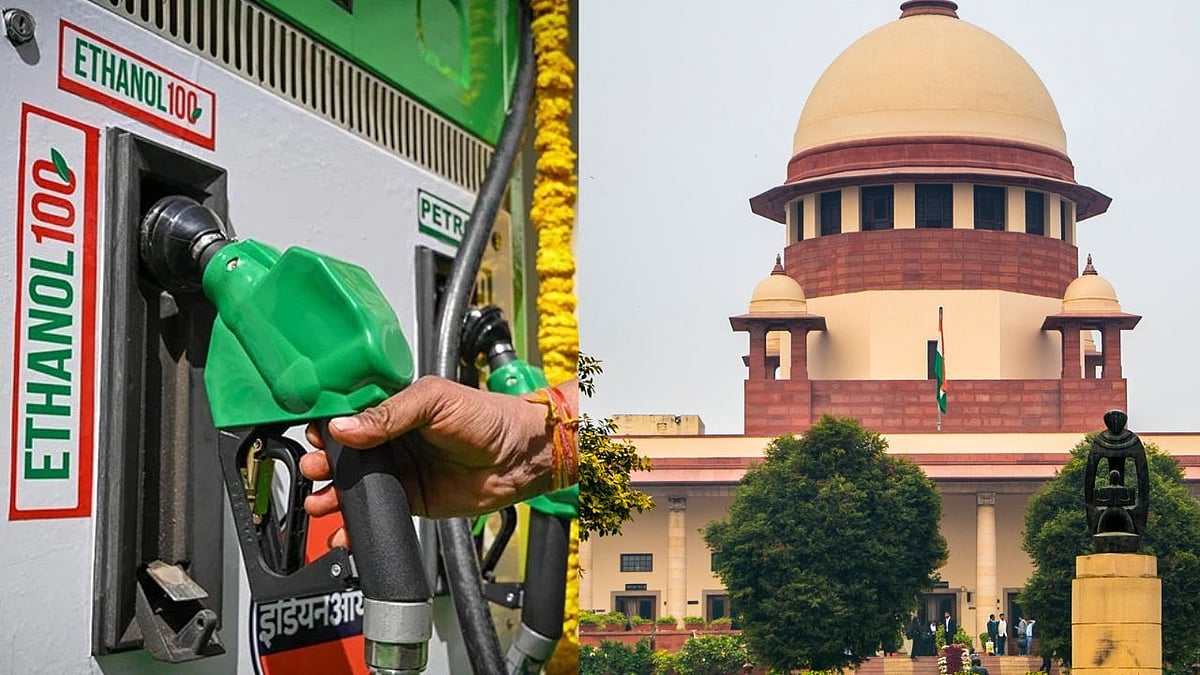
The Supreme Court rejected a request to show ethanol levels at petrol pumps.
The request was made by advocate Narendra Kumar Goswami.
He wanted the exact percentage printed on fuel nozzles and receipts.
He said people should know what is mixed into the petrol they buy.
The government has a programme requiring petrol to contain 20% ethanol.
The programme is intended to reduce fossil-fuel use and help farmers.
Some consumers say the fuel can damage engines and reduce mileage.
The court said the petitioner could approach the appropriate government authority instead.

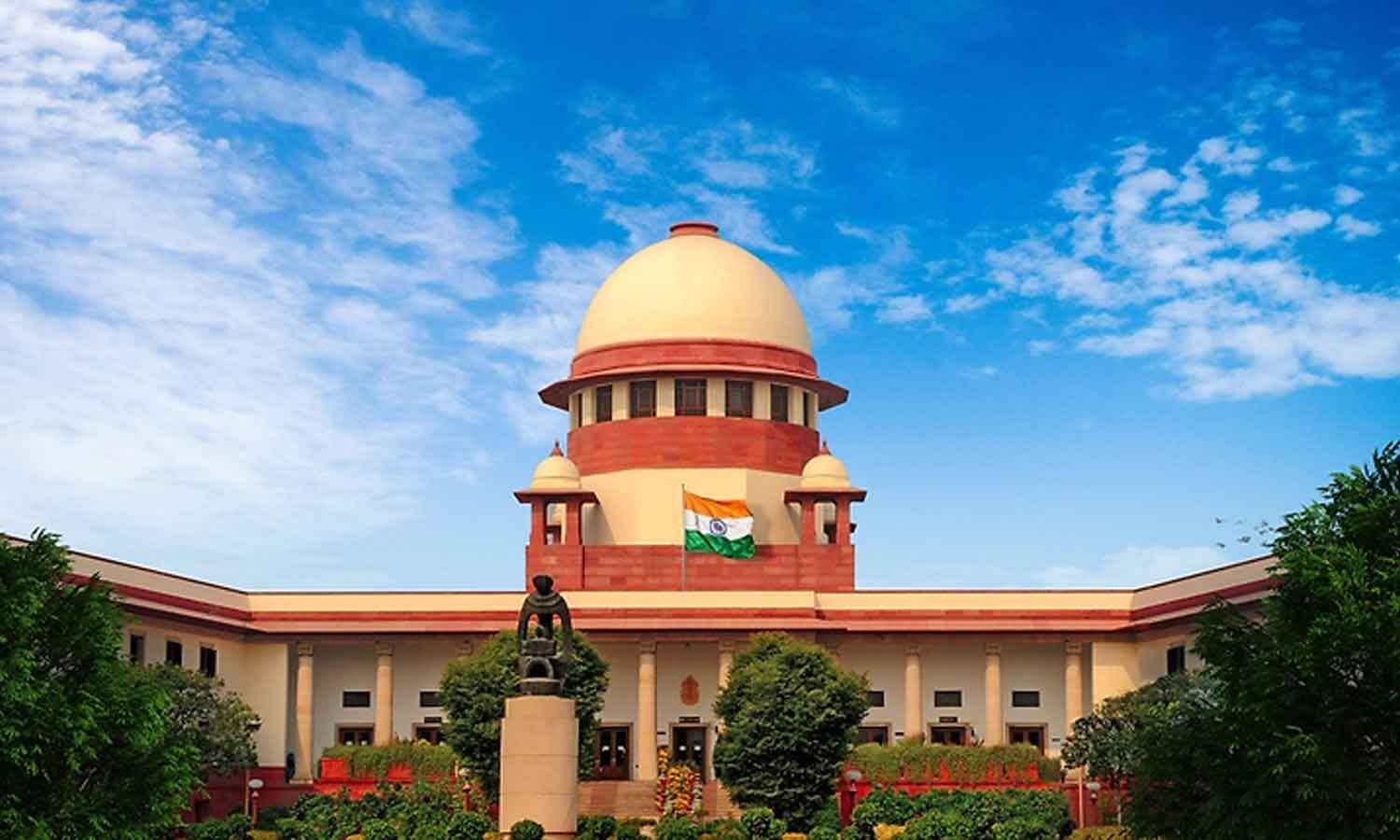
The Supreme Court dismissed a petition seeking mandatory disclosure of ethanol content at petrol pumps.
The petitioner wanted fuel nozzles and consumer invoices to state the exact ethanol percentage.
India’s Ethanol Blended Petrol programme mandates petrol sales with a 20% ethanol blend.
Supporters say the programme reduces fossil-fuel dependence, emissions and supports sugarcane farmers.
Consumers have reported engine damage and lower mileage, while a poll found 53% viewed the rollout negatively.
- Who
- The Supreme Court bench of Justices MM Sundresh and PB Varale, petitioner Narendra Kumar Goswami, and the Union government.
- What
- The court dismissed a plea seeking mandatory disclosure of petrol’s ethanol percentage at fuel pumps and on invoices.
- Where
- At the Supreme Court in India.
- When
- On Monday; the articles do not provide the calendar date.
- Why
- The petitioner sought consumers’ right to know the ethanol content, while the court directed him to approach the competent authority.
Disclosure Advocates
Government and Court Position
Mandatory ethanol labeling
Disclosure Advocates
Narendra Kumar Goswami argued that consumers have a right to know the ethanol content of petrol, comparing it with ingredient labels on packaged food.
Government and Court Position
The Supreme Court dismissed the plea and said the petitioner could approach the competent authority. The Attorney General also said the court had previously dismissed challenges to the policy.
Effects of E20 petrol
Disclosure Advocates
Consumers have complained that the fuel mix damages engines and lowers mileage; the cited LocalCircles poll found 53% considered the rollout disastrous or ineffective.
Government and Court Position
The government’s programme is intended to reduce dependence on fossil fuels, lower greenhouse-gas emissions and support sugarcane farmers.
Key facts
- Court decision
- The Supreme Court dismissed the petition.
- Bench
- Justices MM Sundresh and PB Varale heard the matter.
- Requested disclosure
- The petitioner sought the exact ethanol percentage on dispensing nozzles and consumer invoices.
- Ethanol mandate
- The Ethanol Blended Petrol programme mandates a 20% ethanol blend in petrol sold in India.
- Policy goals
- The programme aims to reduce fossil-fuel dependence, cut greenhouse-gas emissions and increase sugarcane farmers’ income.
- Consumer concerns
- Some consumers have complained of engine damage and reduced mileage.
- Opinion poll
- LocalCircles reported that 53% of petrol-vehicle owners viewed the E20 rollout as disastrous or ineffective.
Quotes
Narendra Kumar Goswami
Advocate and petitioner seeking mandatory disclosure of ethanol content in petrol.
“Even when we buy a packet of biscuits we know the ingredients.”
 scroll.in
“I have right to be informed.”
scroll.in
Sources
Related news
Supreme Court Sends Ethanol Labeling PIL To High Court

Supreme Court Rejects Plea for Ethanol Content Disclosure

Supreme Court To Hear Plea For Mandatory E20 Labelling
Supreme Court to hear plea on petrol ethanol disclosure

AAP seeks more transparency and consumer choice in E20 rollout

PUCL Urges CJI Action Over Rajasthan High Court Allegations

Supreme Court Questions IPS Deputation for CAPF Leadership Positions

Supreme Court Quashes 20-Year Conviction, Reaffirms Juvenile Legal Protections

Two Years After RG Kar Doctor's Rape-Murder, Case Remains Unresolved

ED widens Chhattisgarh probes with two arrests and searches