2 days ago
Supreme Court Sends Ethanol Labeling PIL To High Court
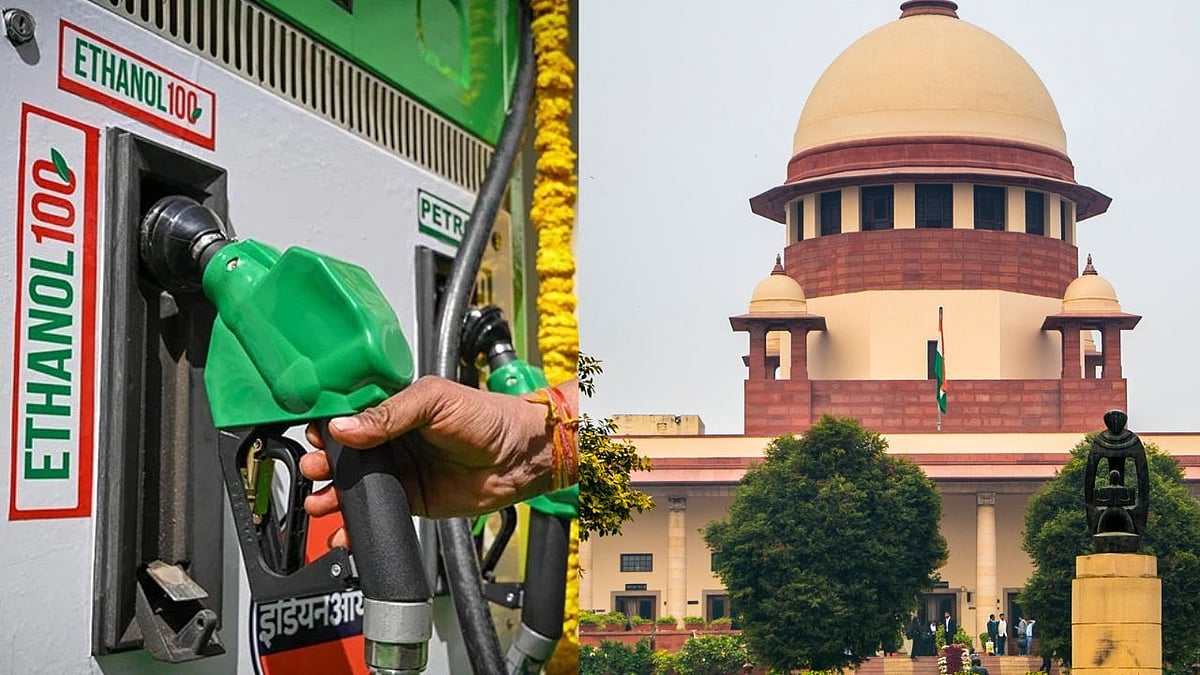
Narendra Kumar Goswami asked the Supreme Court to make petrol stations clearly show how much ethanol is mixed into petrol.
He said people should know what fuel they are buying.
He also wanted information showing which vehicles can safely use different ethanol blends.
The Court did not decide whether these requests were right or wrong.
Instead, it told him to take the case to the appropriate High Court.
The government opposed the case and called it proxy litigation because a similar petition had been rejected earlier.
Goswami said he was not trying to stop the ethanol-blending policy.
He wanted labels, vehicle information and protections for people with older cars.
The government says ethanol blending can reduce oil imports and emissions, while critics are concerned about mileage and compatibility problems in older vehicles.

The Supreme Court declined to entertain Narendra Kumar Goswami’s PIL under Article 32 and allowed him to approach a jurisdictional High Court.
The petition sought mandatory, uniform disclosure of ethanol percentages on petrol-pump nozzles and fuel invoices.
Goswami also requested a searchable vehicle-compatibility database covering different ethanol blends, manufacturers, models, engines and manufacturing years.
The plea sought safeguards for older vehicles and an independent committee to examine E20’s effects on efficiency, maintenance, warranties, emissions and food security.
The Centre called the case proxy litigation, while defending ethanol blending as beneficial for energy security, farmers’ incomes and emissions reduction.
- Who
- Advocate Narendra Kumar Goswami filed the PIL; the bench comprised Justices M.M. Sundresh and Prasanna B. Varale; Attorney General R. Venkataramani represented the Centre.
- What
- The Supreme Court declined to entertain a PIL seeking ethanol-content labels on petrol and greater transparency about vehicle compatibility with ethanol-blended fuel.
- Where
- The proceedings took place in the Supreme Court of India, with the petitioner directed to approach the concerned High Court.
- When
- Monday; one report identified the date as August 31.
- Why
- The Court declined to hear the matter under Article 32 and left the petitioner free to seek relief before a High Court; the Centre also opposed the litigation.
Petitioner’s Position
Centre’s Position
Fuel disclosure
Petitioner’s Position
Consumers have a right to know the exact ethanol content of the petrol they purchase, including through nozzle labels and invoices.
Centre’s Position
The Centre opposed the manner of litigation and said the petitioner was seeking to make the Government of India answerable to him.
Ethanol policy
Petitioner’s Position
Goswami said he was not challenging or seeking to halt ethanol blending, but wanted transparency, consumer choice and safeguards.
Centre’s Position
The Centre defended the programme as supporting energy security, farmers’ incomes and environmental goals, and referred to the dismissal of a similar challenge.
Older vehicles
Petitioner’s Position
Owners of older or potentially incompatible vehicles need authoritative compatibility information, alternatives and protection from warranty or insurance consequences.
Centre’s Position
The government has said E20 supports better acceleration and ride quality and that mileage changes cannot be attributed to fuel alone because driving and maintenance factors also matter.
Key facts
- Petitioner
- Advocate Narendra Kumar Goswami, appearing in person
- Supreme Court bench
- Justices M.M. Sundresh and Prasanna B. Varale
- Primary request
- Mandatory and legible disclosure of ethanol percentages on petrol nozzles and fuel invoices
- Vehicle information
- A public database listing compatibility by manufacturer, model, engine type, year and ethanol blend
- Further safeguards
- Protection against warranty, insurance or service-related prejudice for owners of potentially incompatible vehicles
- Expert review sought
- An independent committee to examine E20 compatibility, fuel efficiency, engine longevity, maintenance, environmental effects and food-security concerns
- Government position
- The Centre described the plea as proxy litigation and defended ethanol blending for energy security, farmers’ incomes and lower emissions
Quotes
Justice M.M. Sundresh-led Supreme Court Bench
Supreme Court Bench hearing the petition
“I am not challenging the policy. I just want to know. I have the right to know. Even when we buy a packet of biscuits we know the ingredients.”
 thestatesman.com
“He (Goswami) wants the Government of India to be answerable to him!”
 thehansindia.com
Narendra Kumar Goswami
Petitioner who appeared in person before the Supreme Court
“Direct the respondents (Centre and others) to prepare and publish within a stipulated time an official, public, vehicle-wise compatibility database searchable by manufacturer, model, engine type and year of manufacture, indicating the suitability or otherwise of various ethanol blends for each vehicle.”
 freepressjournal.in
“I am not challenging the policy. I just want to know. I have the right to know. Even when we buy a packet of biscuits we know the ingredients. Last time AG said it is an experiment. After that they gave clarification.”
 livemint.com
thehansindia.com
livemint.com
thehansindia.com
Sources

Supreme Court declines plea seeking disclosure of ethanol content in petrol
SC Refuses to Hear PIL on Ethanol Content Disclosure at Fuel Pumps
Supreme Court Refuses PIL Seeking Mandatory Ethanol Percentage Labels On Fuel Nozzles, Invoices; Directs Petitioner To HC

E20 row: ‘Right to know’ exact percentage of ethanol in petrol? Supreme Court dismisses plea
SC refuses to entertain PIL seeking disclosure of ethanol content in petrol
Related news

Supreme Court To Hear Plea For Mandatory E20 Labelling

Supreme Court Rejects Plea for Ethanol Content Disclosure

Supreme Court Dismisses Plea For Ethanol Disclosure At Pumps
Supreme Court to hear plea on petrol ethanol disclosure

AAP seeks more transparency and consumer choice in E20 rollout
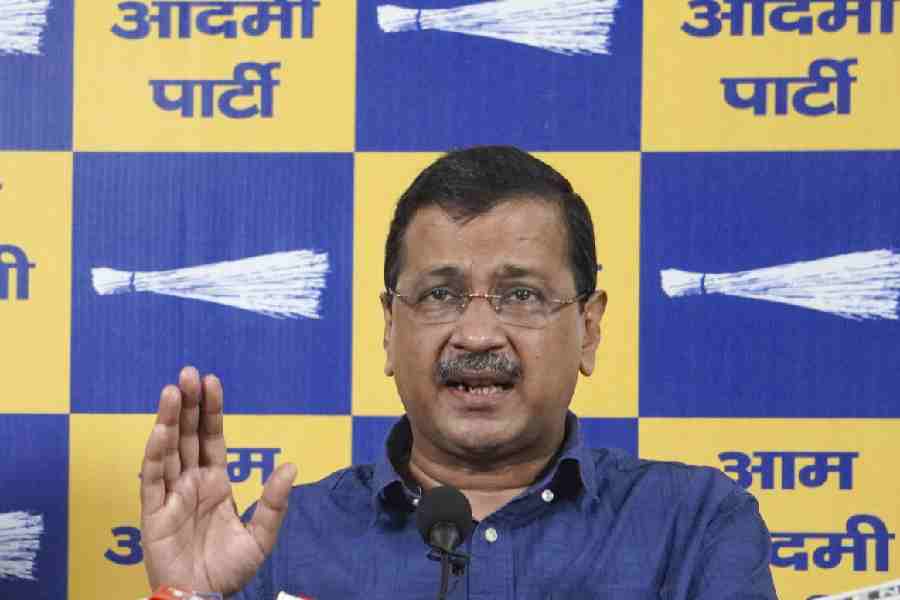
Kejriwal warns higher ethanol petrol blends may strain motorists
PUCL Urges CJI Action Over Rajasthan High Court Allegations

Supreme Court Questions IPS Deputation for CAPF Leadership Positions

Supreme Court Quashes 20-Year Conviction, Reaffirms Juvenile Legal Protections

Two Years After RG Kar Doctor's Rape-Murder, Case Remains Unresolved

ED widens Chhattisgarh probes with two arrests and searches