2 hrs ago
Facial Recognition Systems Can Flag Matches, But Not Prove Identity
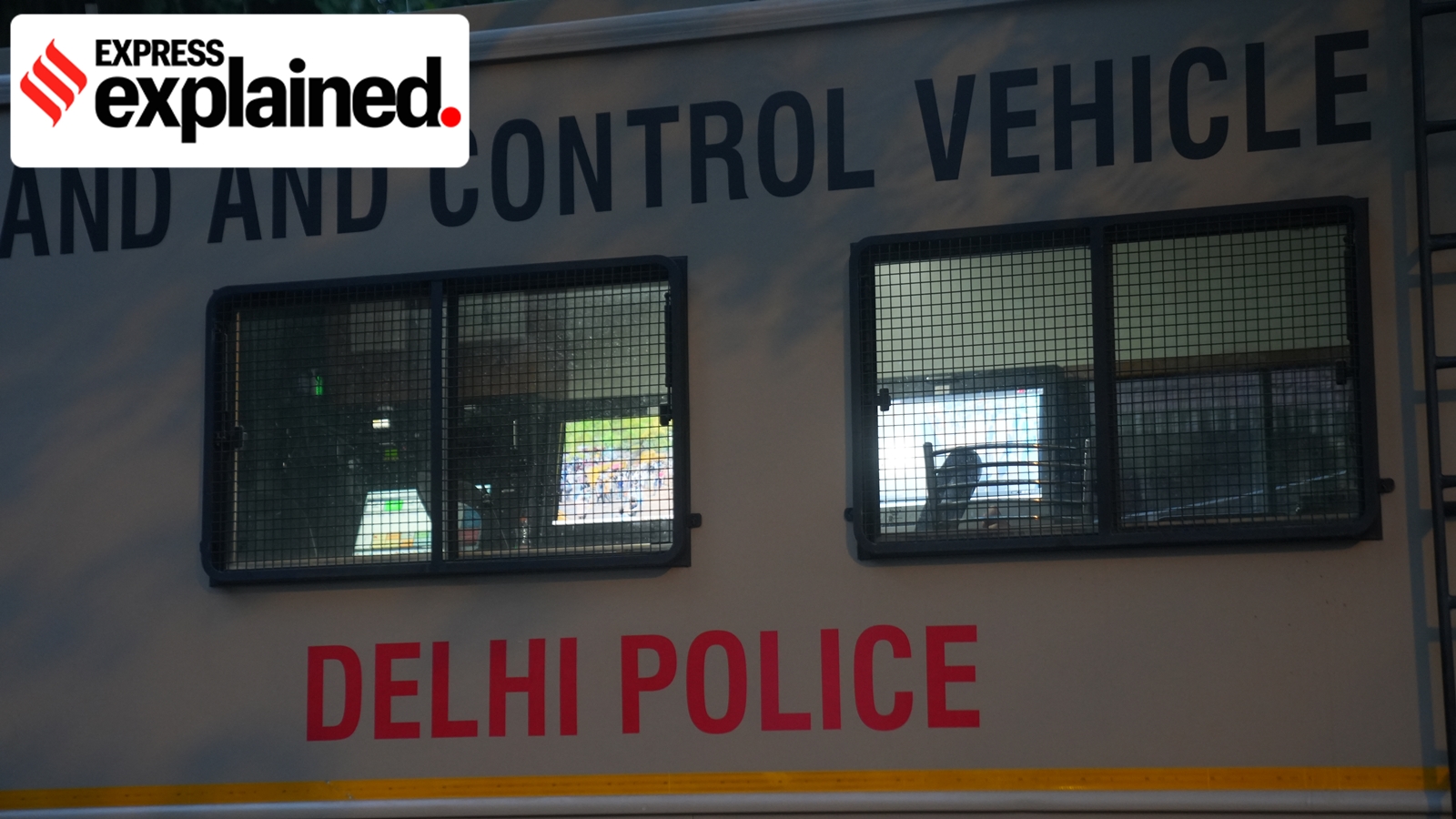
Facial recognition is a computer system that looks at a person’s face.
It studies features such as the shape and position of parts of the face.
The system turns those features into a digital pattern.
It then compares the pattern with pictures in a police database.
If the system thinks the pictures are similar enough, it flags a possible match.
The Delhi Police system puts boxes around faces it detects.
In 2022, the Delhi Police used an 80% accuracy level for calling a match positive.
However, a computer match still needs further checking and does not prove who someone is.

Facial recognition systems analyse facial features from images or video.
They convert facial features into digital templates and compare them with database images.
The Delhi Police system places boxes around detected faces before making comparisons.
The Delhi Police considered an 80% system accuracy rate a positive match in 2022.
A facial-recognition result is only a potential match, not proof of identity.
- Who
- The Delhi Police and its facial recognition system.
- What
- A facial recognition system analyses faces and flags possible database matches.
- Where
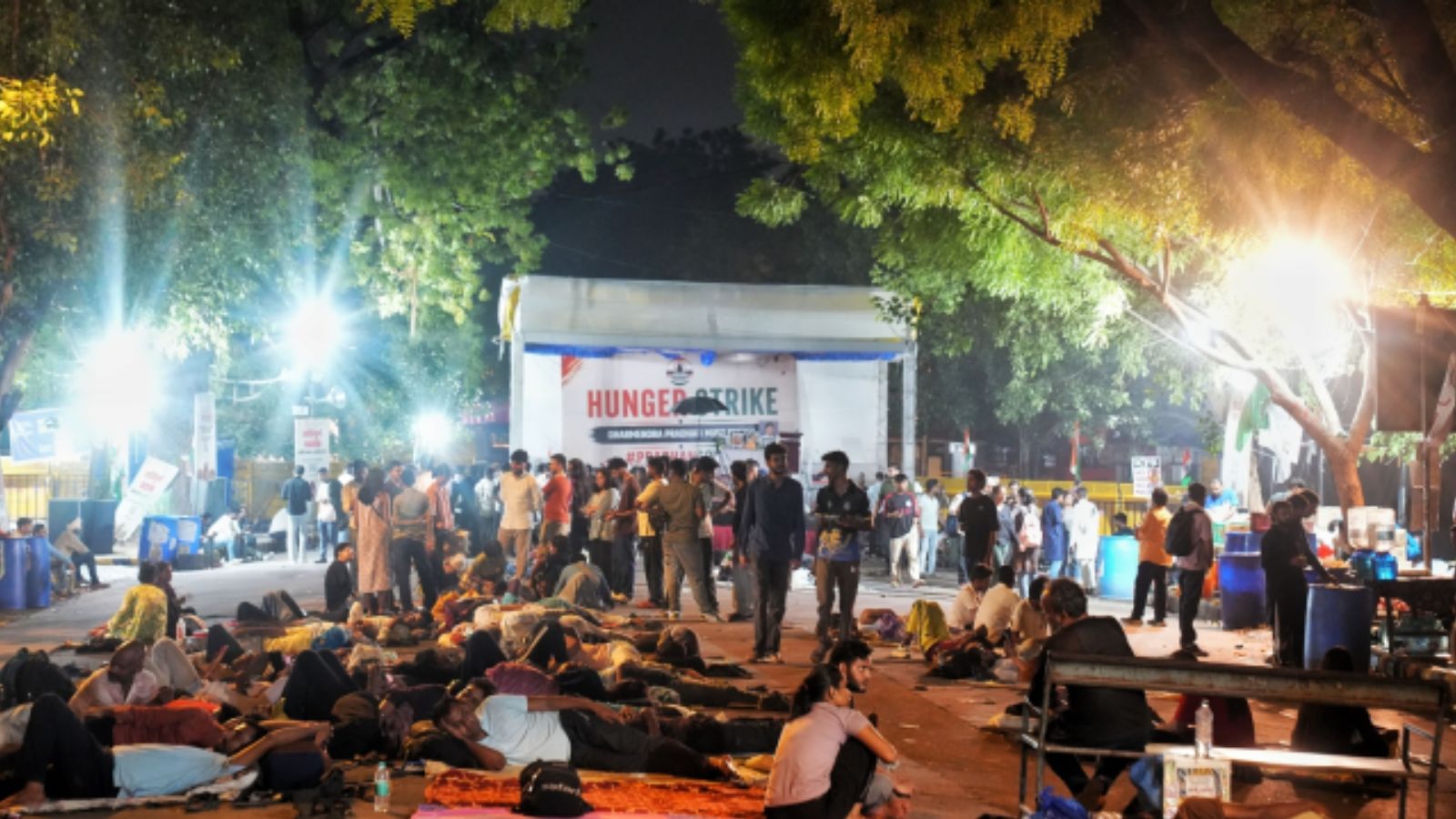
- Near the Jantar Mantar protest site in Delhi.
- When
- The Delhi Police disclosed its 80% positive-match standard in response to an RTI request in 2022; a police van was photographed in July-end.
- Why
- To compare detected faces with images stored in police databases and identify potential matches for further verification.
Key facts
- Technology
- Facial recognition analyses facial features from images or video.
- Digital template
- The system converts facial features into a unique digital template.
- Comparison
- The template is compared with images stored in a database.
- Delhi Police threshold
- The Delhi Police considered an 80% accuracy rate a positive match.
- Verification
- A flagged match requires further verification.
- Identity limit
- A system result is not proof of identity by itself.
Sources
Related news

Delhi Police Deploy Facial Recognition, Biometrics for Red Fort Security
Facial Recognition Flags 25 Jail-Held Accused at Jantar Mantar
Delhi Police denies mass surveillance at Jantar Mantar protests

SC agrees to hear plea challenging Jantar Mantar facial recognition
Supreme Court to hear plea challenging Delhi Police facial recognition
Gokhale Questions ECI Data Sharing for Delhi Police Facial Recognition
Delhi Traffic Police Issues Janmashtami Advisory, Suggests Alternate Routes
Ex-Civil Servant Says Police Focused on Earlier Home Ministry Post

Saurav Das Alleges Injury; Delhi Police Issues Fact Check