1 day ago
DVC Water Releases Trigger Flood Alerts Across Bengal
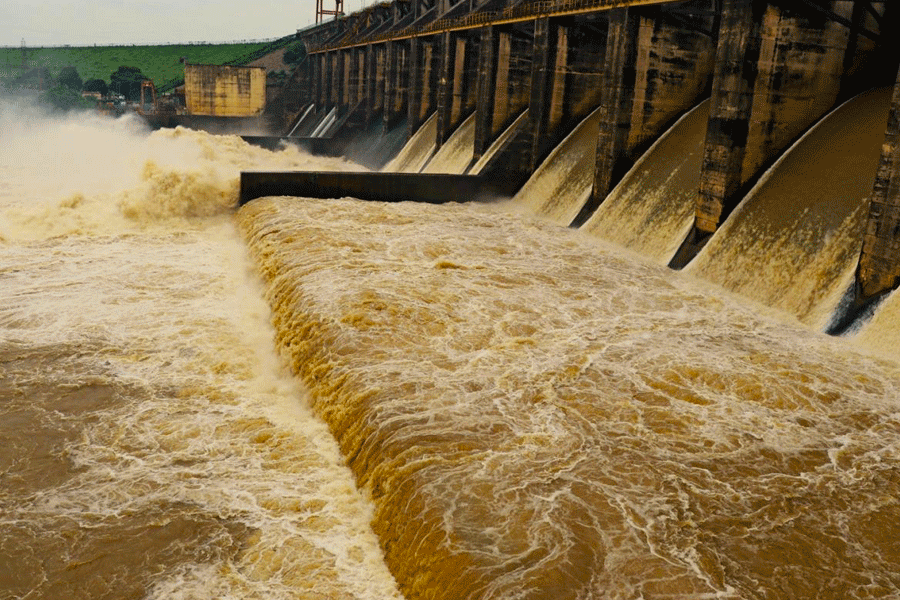
Heavy rain filled several dams in the Damodar river system.
To make room for more incoming water and protect the dams, officials released water from Maithon and Panchet.
Different reports gave different release totals, likely because the amounts changed over time.
The water may flow into several districts in West Bengal.
Low-lying parts of Asansol and Bolpur were already under water.
Some homes, roads and railway links were affected.
Officials warned people near rivers and other vulnerable places.
Emergency teams, boats, supplies and police were prepared to help.
More rain could make the flooding worse.

Heavy rainfall and rising inflows prompted DVC to release water from the Maithon and Panchet reservoirs.
Reports cite combined releases of 50,795 cusecs and a later release of 1.2 lakh cusecs, reflecting different reporting times or figures.
Flood alerts were issued for Purba Bardhaman, Paschim Bardhaman, Bankura, Hooghly and Howrah districts.
Asansol, Bolpur and other low-lying areas reported severe waterlogging, inundated homes, damaged houses and disrupted transport.
Authorities placed emergency teams and police on alert while warning that further rainfall and dam releases could worsen flooding.
- Who
- The Damodar Valley Corporation, West Bengal authorities, district administrations, police and emergency teams are responding.
- What
- Heavy rain led to rising reservoir levels, large water releases from Maithon and Panchet, and flood alerts in downstream areas.
- Where
- The affected area includes Asansol and Bolpur, the lower Damodar basin, and five West Bengal districts: Purba Bardhaman, Paschim Bardhaman, Bankura, Hooghly and Howrah.
- When
- The reports describe conditions over three days of heavy rain, including releases on Wednesday evening and warnings issued on Thursday.
- Why
- Water was released because heavy rainfall and inflows, including from Tenughat Dam, increased pressure on the reservoirs; officials said controlled releases help manage excess water and dam safety.
Critics of DVC releases
DVC and reservoir officials
Responsibility for downstream flooding
Critics of DVC releases
The previous Mamata Banerjee government repeatedly criticized DVC over flooding in the lower Damodar basin during heavy rain and water releases.
DVC and reservoir officials
DVC officials said release decisions are made by the Damodar Valley Reservoir Regulation Committee, which includes representatives of the West Bengal government.
Need for water releases
Critics of DVC releases
Residents in affected areas reported severe flooding, water entering homes and failures of civic drainage infrastructure, particularly in Asansol.
DVC and reservoir officials
DVC maintained that controlled releases are necessary for dam safety and to manage excess inflows, using reservoir levels, inflows, rainfall forecasts and technical considerations.
Key facts
- Reported DVC release
- One report recorded 50,795 cusecs from Maithon and Panchet, while another reported 1.2 lakh cusecs released after Wednesday evening.
- Maithon Dam
- Water level was reported at 484.25 feet, with average discharge of 6,425 cusecs over 24 hours.
- Panchet Dam
- Water level was reported at 414.11 feet, with average discharge of 44,370 cusecs over 24 hours.
- Other releases
- Tenughat Dam had released 40,000 cusecs, while Durgapur Barrage discharge reached 96,900 cusecs by 11:00 AM Wednesday.
- Rainfall
- Sriniketan recorded 263 mm and Burnpur recorded 215 mm of rainfall over 24 hours.
- Alerted districts
- Purba Bardhaman, Paschim Bardhaman, Bankura, Hooghly and Howrah were identified as likely to be affected.
- Preparedness
- Authorities kept disaster-management teams with speedboats, supplies and equipment on standby, and deployed police at important crossings and bridges.
Quotes
DVC official
An official of the Damodar Valley Corporation
“The DVC has alerted the West Bengal government, district administrations and the additional district magistrate in Asansol, asking them to take precautionary measures in riverbank areas and remain prepared for possible flooding in the lower Damodar basin.”
 telegraphindia.com
Sources

Related news

South Bengal Floods Kill Five as Waters Continue Rising

Odisha Alerts Low-Lying Areas as Hirakud Water Enters Mahanadi
UP Villages Face Flood Alert as Nepal Rains Swell Gandak

Jharkhand Rivers in Spate, Flood Threat Looms Across Several Districts
Heavy Rain Floods South Bengal, Killing Four in Mishaps

Rain Erodes Railway Tracks as DVC Water Raises Flood Fears

India's Solar Open Access Additions Hit Record 3GW in Q2

West Bengal Industrial Power Tariff Hike Limited to DVC Area