1 hr ago
Protein and Fibre Work Together to Support Satiety and Fat Loss
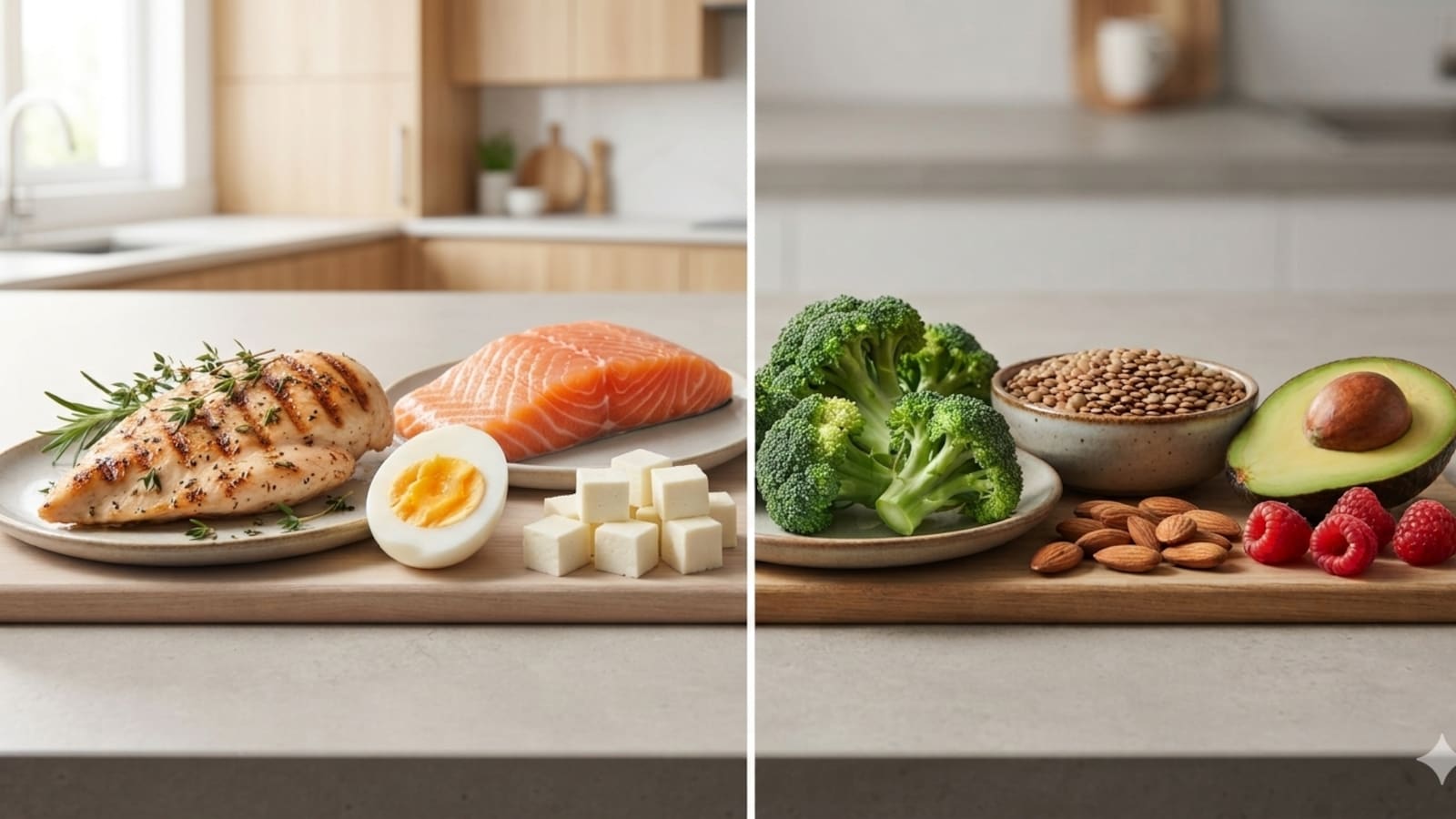
Protein and fibre can both help you feel full.
Protein is found in foods that also help your body repair and build muscle.
Fibre is found in plant foods such as vegetables, fruit, grains, and beans.
It adds bulk to meals and can slow digestion.
Some fibre becomes gel-like in your gut.
The article says neither nutrient is a winner over the other.
Eating both may help manage hunger while trying to lose weight.
It suggests pairing foods such as hummus and carrot sticks.
The article also says its advice is general and not a substitute for medical advice.

Protein can promote fullness and supports muscle repair and growth.
The article says protein also takes more energy to digest than fat or carbohydrates.
Fibre adds bulk, can slow carbohydrate digestion, and may help people feel full.
Soluble fibre in foods such as oats, chia seeds, and beans can form a gel-like substance in the gut.
The article recommends including both nutrients in meals and snacks rather than prioritising one over the other.
- Who
- People seeking to manage weight or lose fat.
- What
- An article explains how protein and fibre can support fullness and recommends including both in a balanced diet.
- Where
- When
- Why
- The article says both nutrients can help control hunger and support weight management.
Key facts
- Main conclusion
- Protein and fibre complement each other; the article does not recommend choosing one over the other.
- Protein effects described
- Protein supports muscle repair and growth, may promote fullness, and has a high thermic effect.
- Fibre effects described
- Fibre adds bulk to meals and can slow carbohydrate digestion.
- Soluble fibre examples
- Oats, chia seeds, and beans.
- Meal suggestion
- Include a source of protein at breakfast, lunch, and dinner, and fill half the plate with non-starchy vegetables and fruits.
- Snack examples
- Hummus with carrot sticks, or an apple with peanut butter.
- Disclaimer
- The article describes its content as general information, not a substitute for a qualified medical opinion.
Sources
Related news
Fitness Coach Ranks Carbs For Fat Loss, Potatoes Top List

World Vegetarian Day: Build Balanced Meals to Stay Fuller
How to Eat Well While Taking GLP-1 Medications
Both Fibre Types Matter for Better Digestive Health

Mira Kapoor Steps Back From Strict Protein Tracking