

2 hrs ago
Airfares May Stay High Even as Jet Fuel Falls
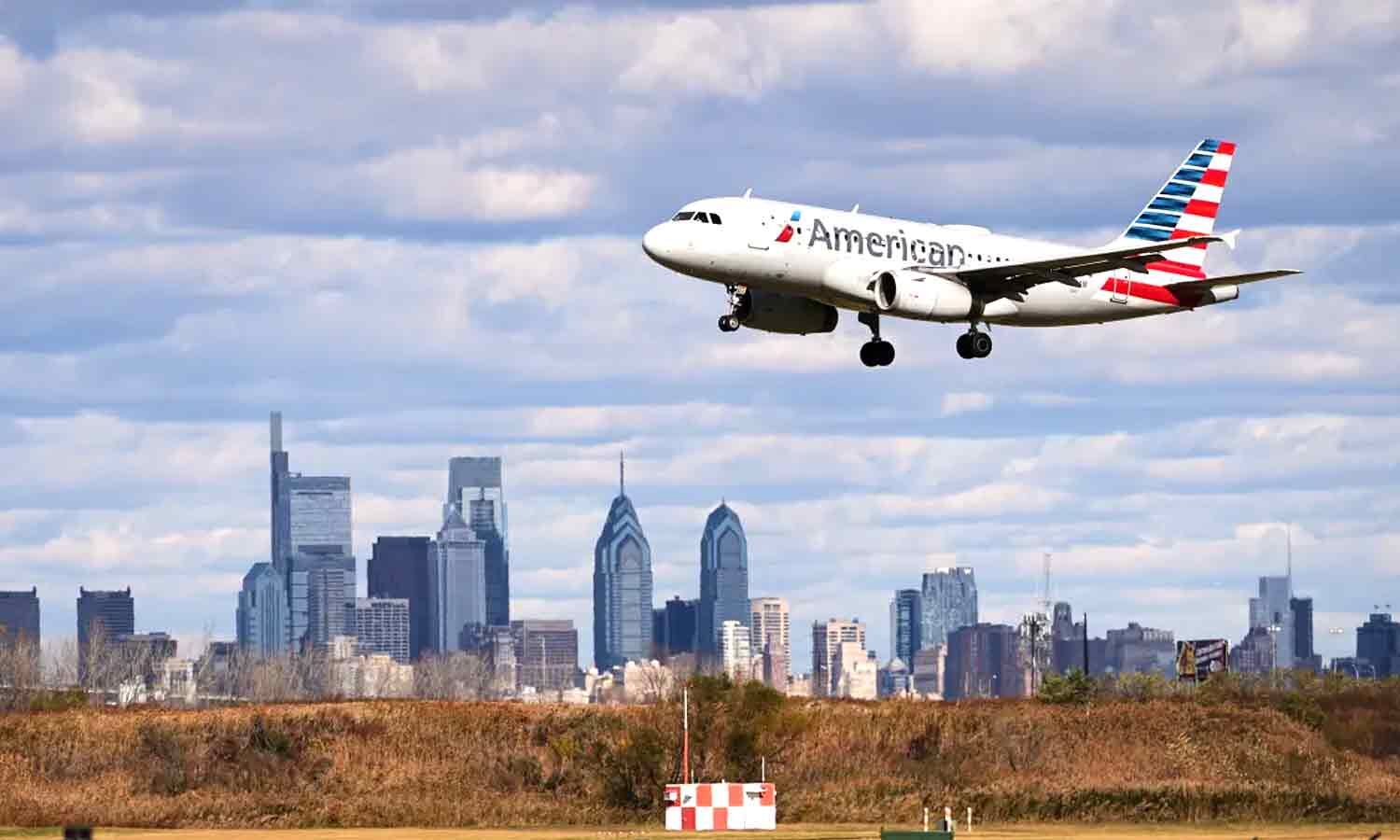
Jet fuel is one of the biggest costs for airlines.
Its price rose sharply after the Iran war began, then fell and rose again.
Airlines plan flights and ticket prices months ahead, so they cannot quickly respond when fuel prices change.
They also cannot raise the prices of tickets that people have already bought.
Because of this, ticket prices may stay high even if fuel becomes cheaper.
Airlines are reducing some flights and charging more for tickets and baggage.
Holiday flights are especially expensive this year.
Experts say fuel prices would need to fall and remain low before airfares decline for a long time.
Travelers who wait until the last minute may pay even more.

Airlines and analysts say airfares may remain high even if oil and jet fuel prices decline.
Average US fares rose from USD 405 in late 2025 to USD 436 in the second quarter of this year.
Jet fuel prices have fluctuated sharply, reaching USD 4.53 per gallon on September 17.
Airlines are cutting less-profitable flights and raising fares and baggage fees to offset higher fuel costs.
Holiday travelers face elevated prices, with average round-trip fares of USD 402 for Thanksgiving and USD 452 for Christmas.
- Who
- US airlines, travelers, airline executives and analysts including Brett House and Stephen Treanor.
- What
- Airfares may remain elevated even if oil and jet fuel prices decline because airlines face volatile costs and delayed cost recovery.
- Where
- The main impact is in the United States, although jet fuel price pressure is global.
- When
- The latest price increases and fare data were reported through September, with comparisons covering late 2025 and the first half of this year.
- Why
- Fuel prices have been disrupted by fighting, refinery damage and export constraints, while airlines set schedules and sell tickets months in advance.
Airline Cost Recovery
Traveler Affordability
How quickly fares should change
Airline Cost Recovery
Airlines and analysts say volatile fuel prices, advance scheduling and previously sold tickets prevent carriers from lowering fares immediately when fuel declines.
Traveler Affordability
Travelers may continue paying for an earlier fuel spike even after fuel prices fall, with experts saying sustained relief could take months.
Response to higher fuel costs
Airline Cost Recovery
American Airlines, United Airlines and Southwest Airlines are reducing less-profitable routes and adjusting prices to manage higher operating expenses.
Traveler Affordability
Travelers face fewer flight choices, higher fares and increased baggage costs, particularly when booking close to departure.
Key facts
- Average US fare
- USD 436 in the April-June period, excluding optional fees.
- Year-over-year fare increase
- US airfares were 23% higher in August than a year earlier.
- Jet fuel price
- The Argus US Jet Fuel Index reached USD 4.53 per gallon on September 17.
- Fuel cost share
- The International Air Transport Association expects fuel to represent nearly one-third of airline operating expenses this year.
- Holiday Thanksgiving fare
- Average round-trip domestic fare of USD 402, up 31% from last year.
- Holiday Christmas fare
- Average round-trip domestic fare of USD 452, up 23% from last year.
- American Airlines impact
- Each one-cent-per-gallon fuel increase adds about USD 10 million to its quarterly fuel bill.
Quotes
Mike Leskinen
Chief financial officer of United Airlines
“The likelihood that fuel surcharges are going to be rolled back and airfares are going to be brought down is very low over the next few months.”
 thehansindia.com
 deccanchronicle.com
“It's not just the level of fuel costs that is a problem or a challenge for airlines. It's also the volatility.”
thehansindia.com
deccanchronicle.com
Sources

Related news
Jet Fuel Prices Rise 5.46% as Iran Tensions Intensify

Centre Rules Out Festive Airfare Cap, Seeks Reasonable Prices

Economy Airfares Rise While Business-Class Prices Fall Across India

IndiGo and SpiceJet Shares Slide as ATF, Crude Rise

Jet Fuel and Commercial LPG Prices Rise on September 1
Ryanair Cuts Passenger Target as Iran War Raises Fuel Costs

Ukraine Reports New Gains in Northern Donetsk Battlefield
India’s Defence Self-Reliance Drive Faces Cost Paradox
Trump-Xi Summit’s Pageantry Masks Limited Progress, Beijing Gains

Ukraine Launches Army of Robots to Reduce Battlefield Risks