1 hr ago
India’s Defence Self-Reliance Drive Faces Cost Paradox
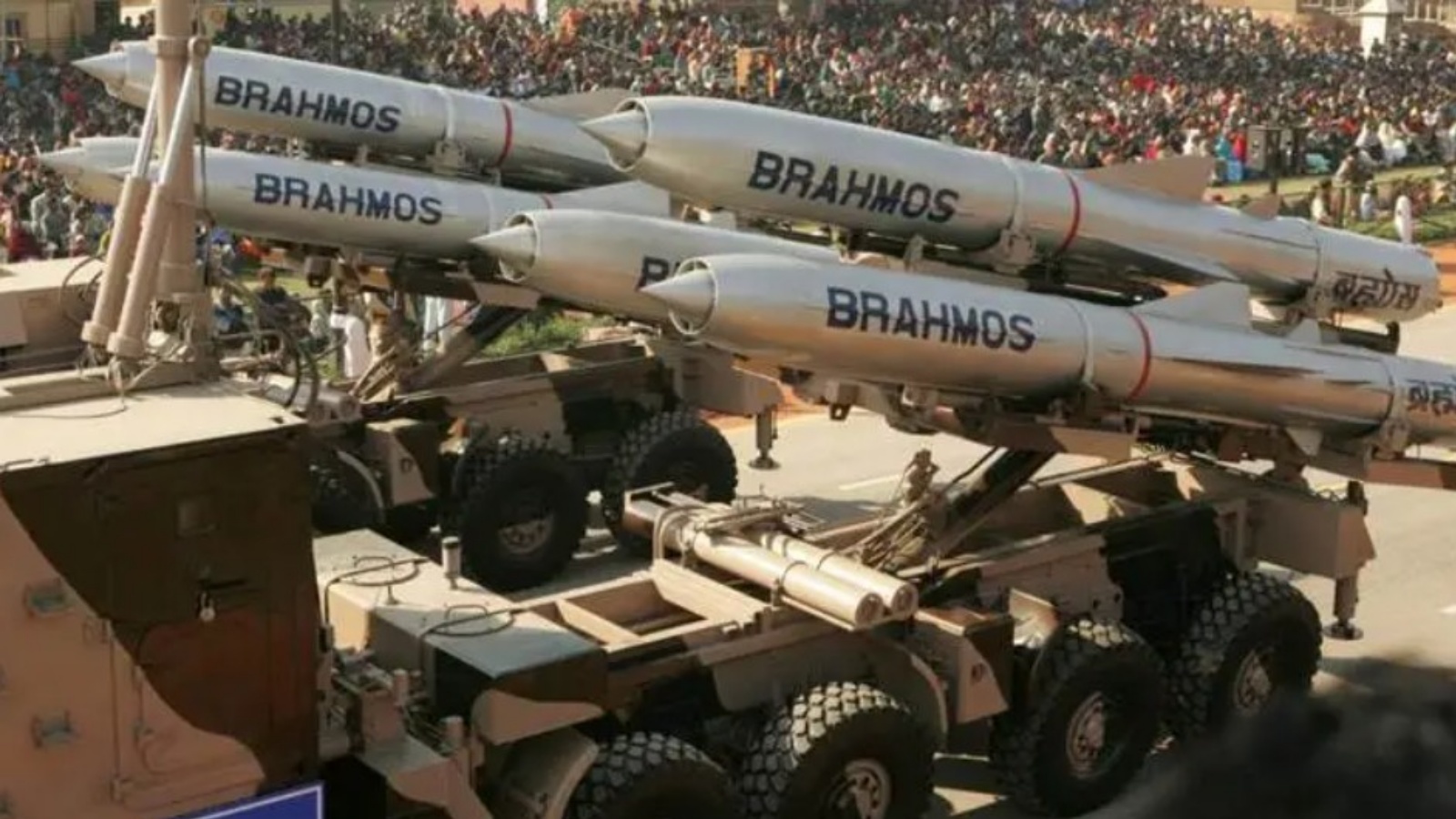
India wants to make more of its military equipment at home instead of buying it from other countries.
This could help India avoid pressure from foreign governments and arms companies.
It could also make India more independent in emergencies.
However, building every part of a weapon system in India can be very expensive and take a long time.
Even advanced military powers buy some components from specialists in other countries.
For example, many fighter aircraft use ejection seats made by the British company Martin-Baker.
The article says India should identify which technologies are truly important and develop those itself.
It gives the Tejas fighter’s flight-control software as an example of a valuable Indian capability.
It also says skilled project management is needed to decide what to build, buy or abandon.

India’s Atmanirbhar Bharat policy seeks to design, develop and manufacture defence equipment domestically.
Indigenous defence and aerospace production rose from Rs 46,000 crore in 2014 to Rs 1.78 trillion in 2025-26, according to Ministry of Defence figures.
Defence exports increased from Rs 600 crore in 2014 to Rs 38,434 crore last year, with a target of Rs 50,000 crore by 2028-29.
Critics argue that designing and producing every component domestically is more expensive and slower than leasing, buying or selectively manufacturing equipment.
The article recommends focusing self-reliance on strategically important technologies while using global supply chains for other components.
- Who
- The Indian government, Defence Minister Rajnath Singh, the Indian military and India’s defence industry are central to the debate.
- What
- The debate concerns whether India’s push for Atmanirbhar Bharat in defence should seek broad domestic production or focus selectively on strategically important technologies.
- Where
- India and its international defence supply chains.
- When
- The policy drive began with slogans including Make in India in 2014 and Atmanirbhar Bharat in 2020; Rajnath Singh discussed the vision on September 24, while production figures cover 2014 to financial year 2025-26.
- Why
- Supporters say domestic defence capabilities provide strategic autonomy and reduce foreign leverage, while critics warn that complete self-sufficiency is costly and inefficient.
Arguments for Broad Self-Reliance
Arguments for Selective Self-Reliance
Strategic autonomy
Arguments for Broad Self-Reliance
Designing and building military equipment in India could reduce dependence on foreign governments and original equipment manufacturers.
Arguments for Selective Self-Reliance
Foreign purchases create leverage, but mutual dependence through international supply chains can also deter embargoes and hostile cut-offs.
Economic and industrial value
Arguments for Broad Self-Reliance
Supporters point to the rise in Indian defence production and exports as evidence that domestic manufacturing is expanding.
Arguments for Selective Self-Reliance
Complete autarky is the most expensive acquisition method because it requires designing, developing, testing and manufacturing the entire platform.
What India should build
Arguments for Broad Self-Reliance
A rising power should aim to become self-sufficient in designing and building its military arsenal.
Arguments for Selective Self-Reliance
India should control essential technologies while sourcing components from established specialists; developing every subsystem could raise costs unacceptably.
Key facts
- Policy slogans
- Make in India was coined in 2014; Vocal for Local and Atmanirbhar Bharat were promoted in 2020.
- Defence production
- Indigenous defence and aerospace production rose from Rs 46,000 crore in 2014 to Rs 1.78 trillion in financial year 2025-26.
- Defence exports
- Exports rose from Rs 600 crore in 2014 to Rs 38,434 crore last year.
- Export target
- Defence Minister Rajnath Singh has projected exports of Rs 50,000 crore by 2028-29.
- Acquisition cost hierarchy
- The article ranks leasing as the most cost-effective option, followed by buying, licensed manufacturing and complete domestic development.
- Example of domestic capability
- The Tejas Mark 1’s digital flight-control computer and quadruplex fly-by-wire software were developed for the aircraft.
- Foreign sourcing example
- Martin-Baker-designed ejection seats are used by 50-55 per cent of the world’s combat aircraft, according to the article.
Quotes

Rajnath Singh
India’s Defence Minister
“design in India, develop in India, manufacture in India”
 indianexpress.com
Sources
Related news
India’s Defence Self-Reliance Is Key to Strategic Resilience

AMCA Should Build India’s Sovereign Aerospace and Propulsion Ecosystem
India’s Defence Spending Trails China Despite Asia’s Second Rank
India’s Defence Manufacturing Ecosystem Expands Into Export Markets
India Vows Defence Self-Reliance While Rejecting Territorial Ambitions
India Expands Defence Indigenisation With Rs 29,100 Crore R&D

Young leaders debate Gen-Z politics and India’s changing global image

India, France Deepen Defence Ties Across Air, Space, Technology
India, UAE deepen trade and investment ties under CEPA

Lata Mangeshkar’s Rebirth Wish Reveals Life’s Hidden Difficulties