

1 week ago
Trump Administration Sues Ohio Court Over Immigration Arrest Rule
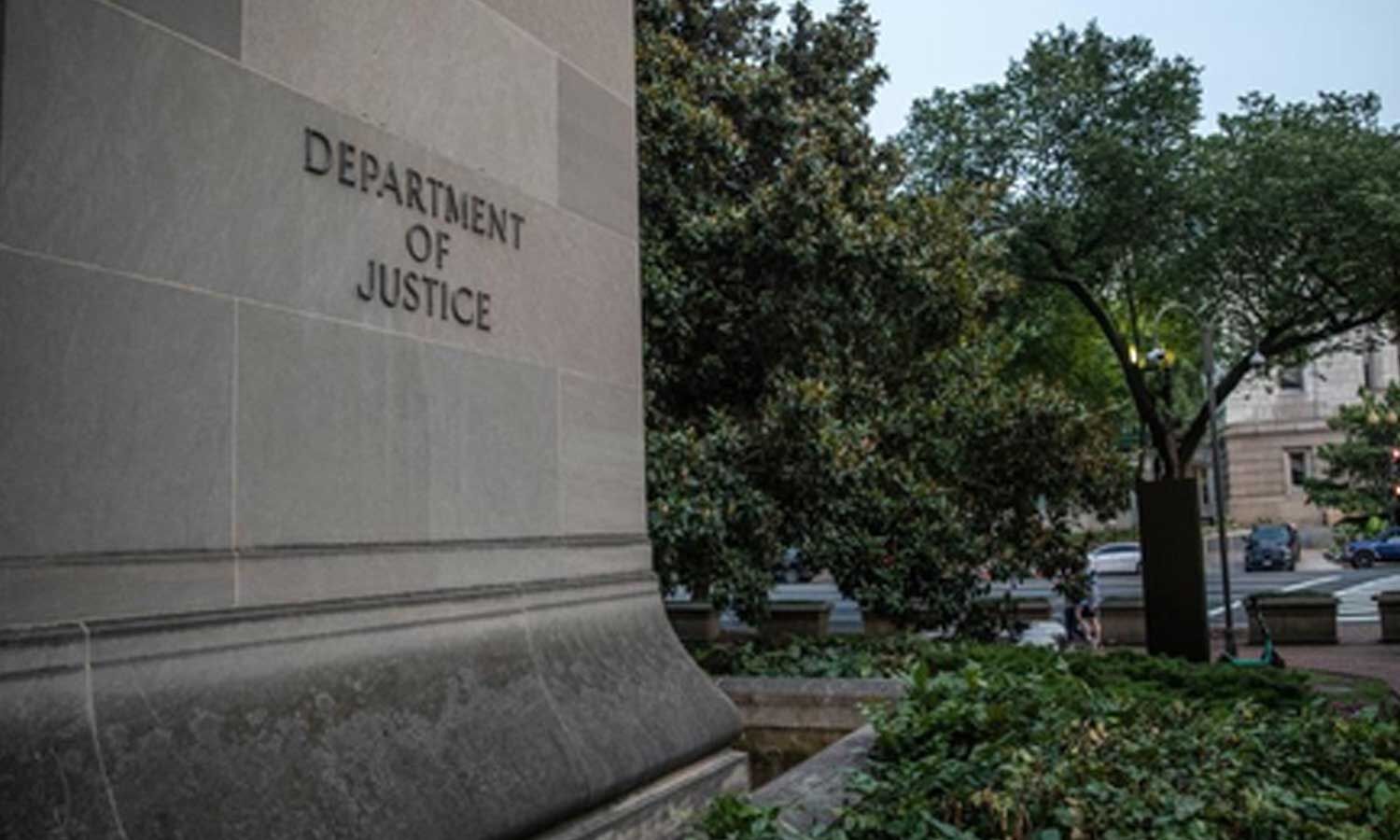
The U.S. Justice Department sued a court in Ohio.
The court created a rule limiting federal immigration arrests in or near its building.
The Justice Department says only the federal government should decide where federal officers make arrests.
It also says courthouse arrests can be safer because buildings have security checks.
The department argues the Ohio rule could make it easier for people to avoid immigration enforcement.
The rule threatens penalties for people who violate it.
The court and its officials did not provide a response in the article.
The lawsuit is one of several similar legal actions brought by the Trump administration.

The Justice Department sued Franklin County Municipal Court over Rule 2.10.
The rule bars federal immigration arrests at or near the courthouse and includes civil and criminal penalties.
The department argues the rule unlawfully regulates federal authority and obstructs immigration enforcement.
Federal officials say courthouse arrests improve safety, security, and the likelihood that detainees will not flee.
The lawsuit is part of broader Justice Department actions against local immigration-related policies in several states and cities.
- Who
- The United States Department of Justice sued the Franklin County Municipal Court, its administrative and presiding judge, and its security director.
- What
- The lawsuit challenges Rule 2.10, which restricts federal immigration arrests at or near the courthouse.
- Where
- Franklin County Municipal Court in Columbus, Ohio.
- When
- The lawsuit was filed on Tuesday.
- Why
- The Justice Department says the rule unlawfully interferes with federal immigration enforcement and federal authority.
Justice Department Position
Courthouse-Restriction Position
Federal authority
Justice Department Position
The Justice Department says the local rule unlawfully regulates federal operations and interferes with Congress's direction on immigration enforcement.
Courthouse-Restriction Position
Franklin County Municipal Court adopted a rule restricting federal immigration arrests at or near the courthouse; the court's response to the lawsuit was not provided.
Safety and enforcement
Justice Department Position
Federal officials say courthouse arrests are routinely conducted safely and can reduce risks to officers, the public, and detainees.
Courthouse-Restriction Position
The rule seeks to prevent or limit such arrests at the courthouse, although the article does not provide the court's stated justification.
Effect of the rule
Justice Department Position
The department argues that Rule 2.10 could obstruct lawful enforcement and help people evade detention and removal.
Courthouse-Restriction Position
The rule imposes civil and criminal penalties for violations, but the article does not state the court's position on the department's allegations.
Key facts
- Defendant
- Franklin County Municipal Court in Columbus, Ohio, along with its administrative and presiding judge and security director.
- Challenged rule
- Rule 2.10, which bars federal authorities from arresting immigrants at or near the courthouse.
- Potential penalties
- The Justice Department says the rule threatens criminal and civil penalties for violations.
- Federal argument
- The department says the rule conflicts with federal authority and obstructs officers responsible for detaining and removing immigrants.
- Safety rationale
- Federal officials say courthouse arrests can reduce risks because visitors generally undergo security screening and may be less able to flee.
- Broader action
- The department says it has brought similar legal actions involving policies in New York, Virginia, Connecticut, New Jersey, California, Milwaukee, and Philadelphia.
Quotes
Stanley E. Woodward Jr
Associate Attorney General at the US Justice Department
“Today the Department sued yet another local entity that seeks to thwart the will of Congress by regulating when and where Federal law enforcement does its job, all in the name of protecting criminal aliens who violate our Nation’s laws.”
 thehansindia.com
“This type of rule obstructs federal law enforcement and facilitates evasion of federal law by dangerous criminal aliens, despite Congress’s direction that federal agents detain and remove them.”
thehansindia.com
Sources
Related news
Judge Blocks Trump Deportations Over Pro-Palestinian Speech

New York Judge Strikes Down Trump’s 75-Country Visa Suspension

New York Immigration Arrests Deepen Fight Over Sanctuary Policies

Court Blocks Trump Student Visa Crackdown Over Political Speech

Trump's H-1B Fee Struck Down After Court Rejects Presidential Authority
ICE arrests reach nearly 50,000, highest of Trump’s second term

SB Energy Files for IPO Amid Nvidia-Backed OpenAI Expansion

AI Data Centres Turn Power Bills Into 2026 Election Issues

Usha Vance Laughs Off El-Sayed’s ‘Papaw’ Remark About Her Heritage

Nvidia Earnings Put AI Valuations and Stock Volatility in Focus

Trump Administration Weighs Further Tariffs After Canada Announces Retaliation
