1 hr ago
Lifestyle Changes Can Help Prevent Around 40 Percent of Cancers
Some things people do every day can affect their chances of getting cancer.
The article says that many cancer cases may be preventable.
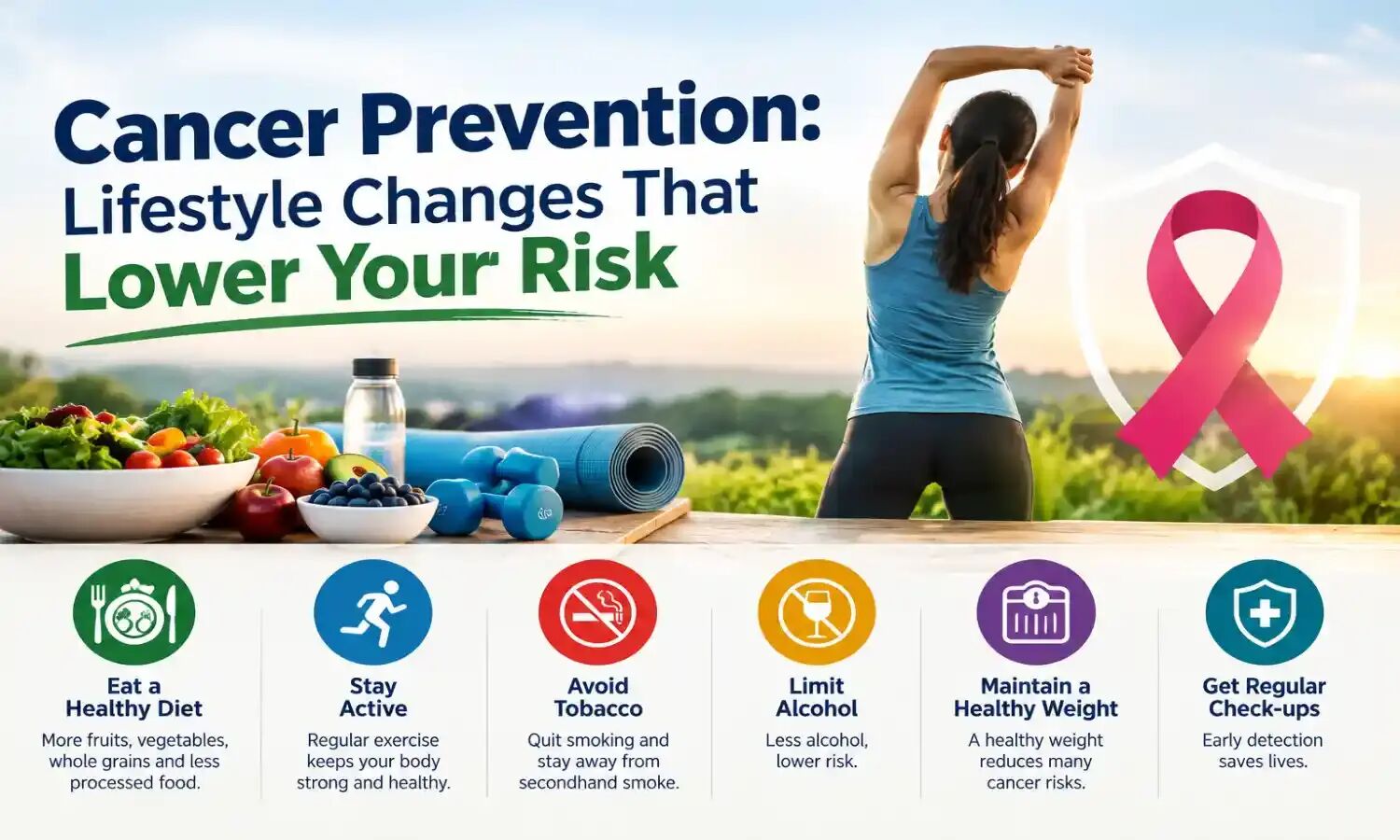
Avoiding tobacco is especially important, and not smoking also helps protect people nearby.
Eating a variety of healthy foods and keeping a healthy weight may lower risk.
Moving your body often and drinking little or no alcohol can help too.
Vaccines and protection from the sun can prevent some risks.
Screening can sometimes find cancer or early changes before someone feels sick.
A healthy lifestyle cannot prevent every cancer, so unusual changes should be checked by a doctor.

The World Cancer Research Fund estimates that around 40 percent of cancer cases are preventable.
Avoiding tobacco is highlighted as the most important lifestyle change; both smoking and chewing tobacco are linked to cancers.
The article recommends maintaining a healthy weight, eating mostly wholegrains, vegetables, fruit and beans, and limiting processed meat and sugary drinks.
Regular physical activity and drinking little or no alcohol can help lower cancer risk.
Vaccination, sun protection, appropriate screening, and prompt checks of unusual or persistent changes are also advised.
- Who
- People seeking to lower their cancer risk; the article also refers to Narayana Health's oncology teams.
- What
- A set of lifestyle, vaccination, sun-protection, and screening steps that may reduce cancer risk.
- Where
- The advice highlights India-specific concerns, including tobacco-related oral cancer and screening.
- When
- The article recommends starting these steps now and maintaining them over time.
- Why
- To reduce preventable cancer risks and support early detection.
Key facts
- Estimated preventable cases
- Around 40 percent of all cancer cases, according to the World Cancer Research Fund.
- Tobacco
- The article identifies tobacco as the largest preventable cause of cancer and discusses both smoked and chewed tobacco.
- Diet
- Favor wholegrains, vegetables, fruit, and beans; limit red and processed meat, highly processed foods, and sugary drinks.
- Physical activity
- Regular movement, such as brisk walking, cycling, or swimming, is recommended.
- Alcohol
- The article says drinking little or no alcohol is the safest course for cancer prevention.
- Vaccination
- HPV vaccination can help protect against cervical cancer, and hepatitis B vaccination can lower liver cancer risk.
- Screening and symptoms
- The article recommends screening and prompt medical attention for unusual or persistent changes.
Sources
Related news

Doctors Say Nearly Four in Ten Cancers Are Preventable
Infections Linked to Nearly One in Eight Cancer Cases
Cancer Cases Rise Among Younger Adults Across Several Countries
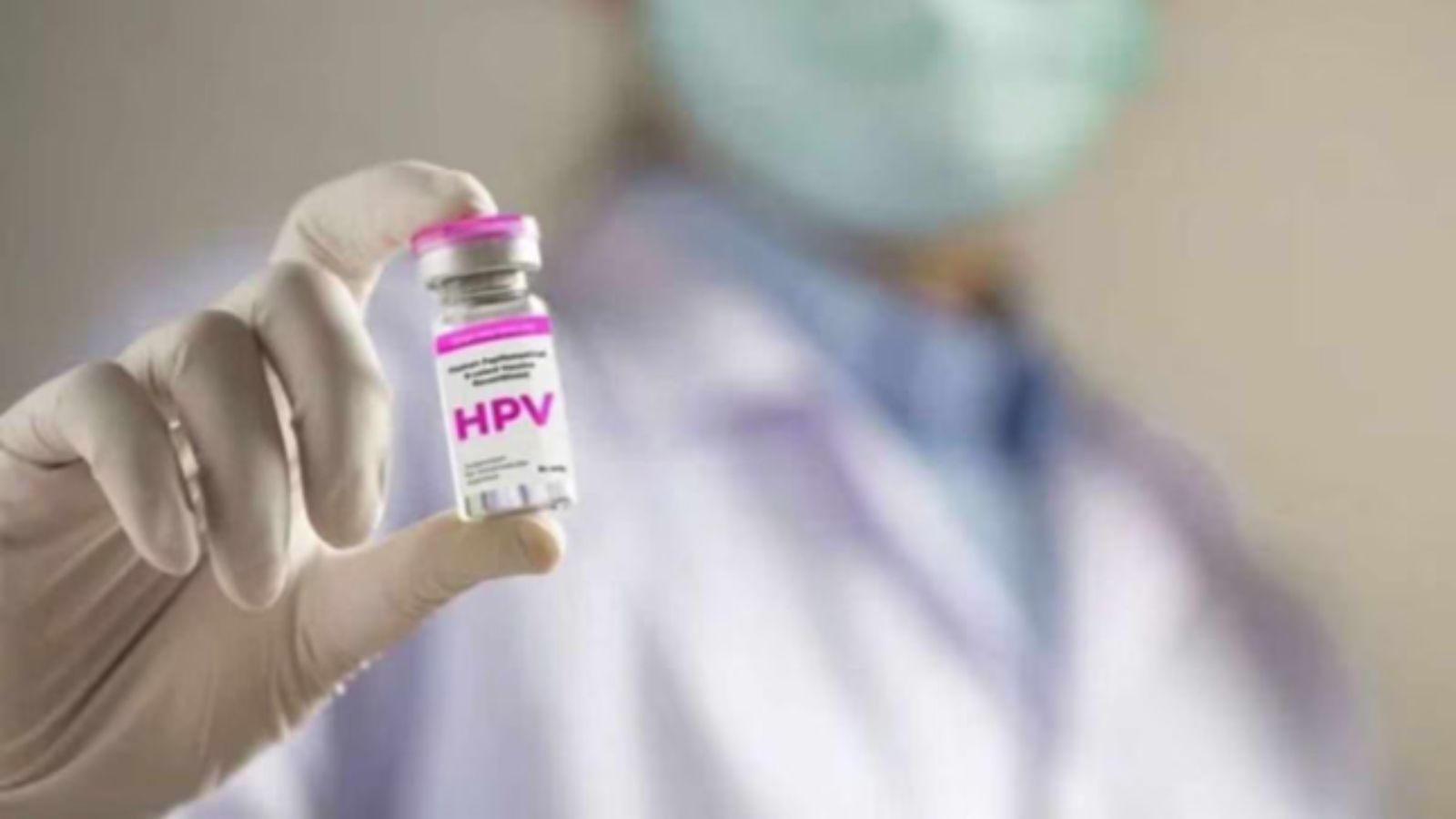
Infections Linked to Nearly 190,000 Indian Cancer Cases
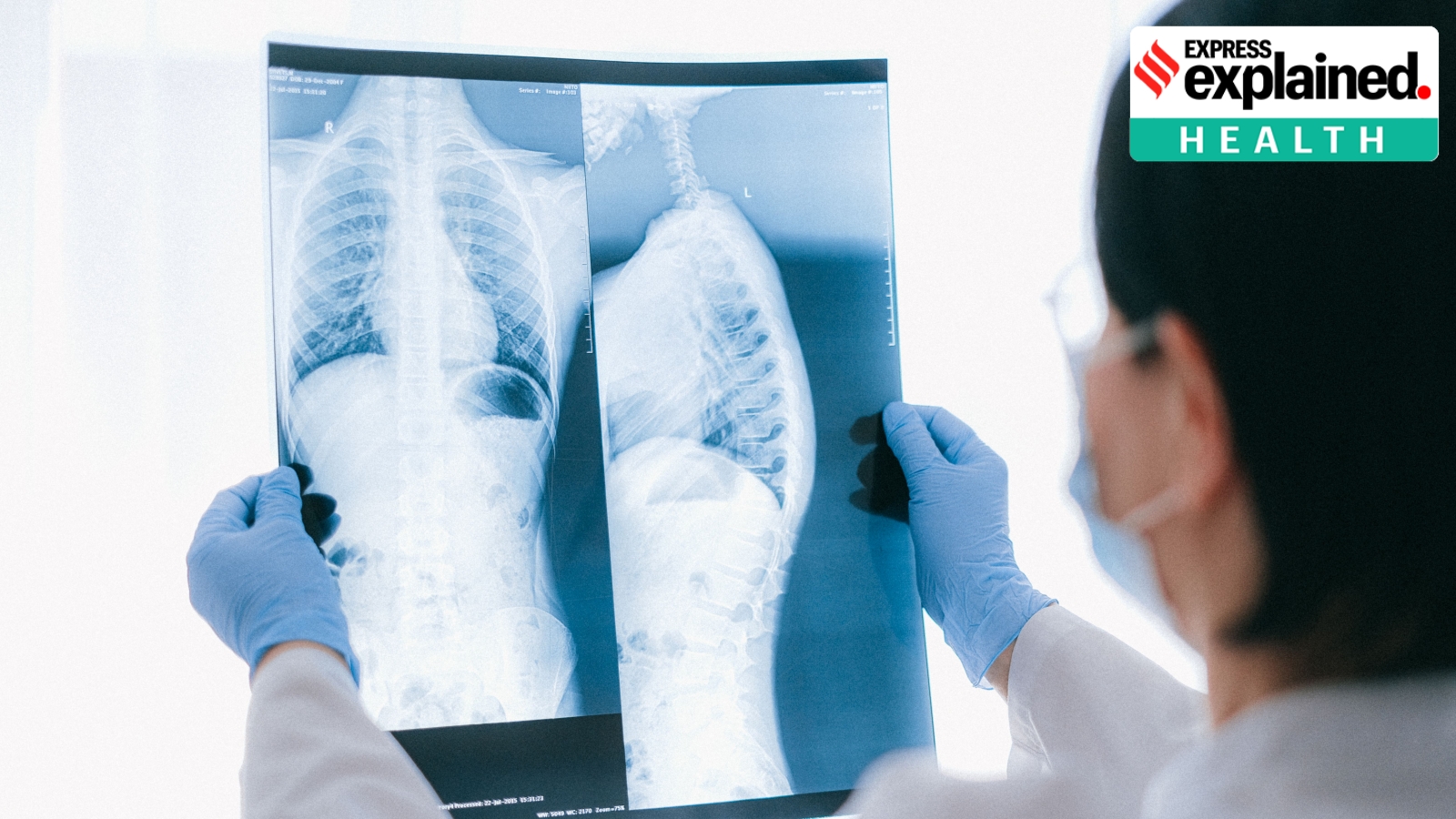
Why India Has Not Added Lung Cancer to Screening

Homoeopathy in Cancer Book Released at Goa Palliative Care Conference

Hospital Leaders Urge Care Beyond Hospitals to Patients’ Doorsteps
Narayana Hrudayalaya to Manage Kolkata Mission of Mercy Hospital

Indian Stocks in Focus After Business and Earnings Updates
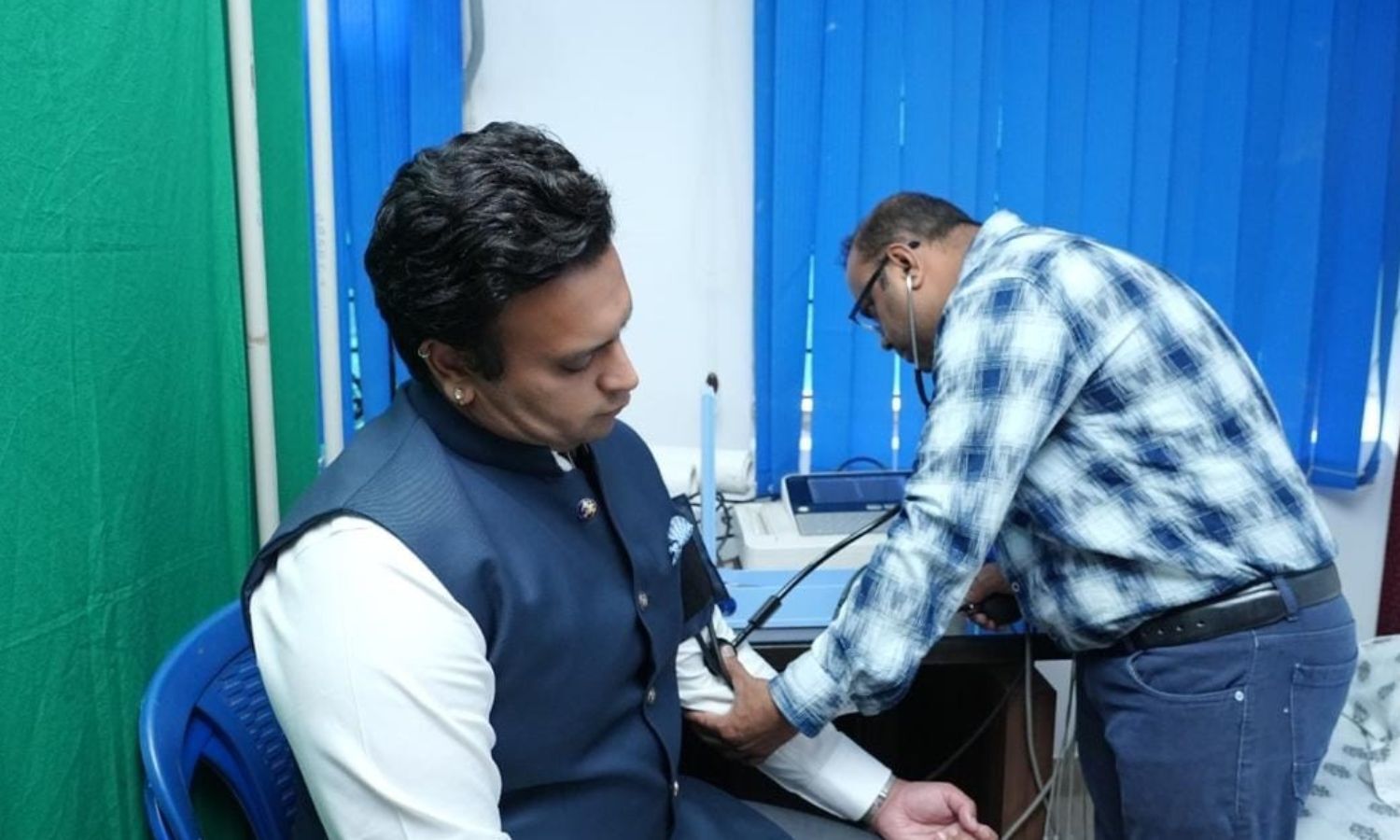
Mysuru Health Camp Screens More Than 950 Residents