5 days ago
India's Data Centre Boom Reshapes Real Estate Amid AI Demand
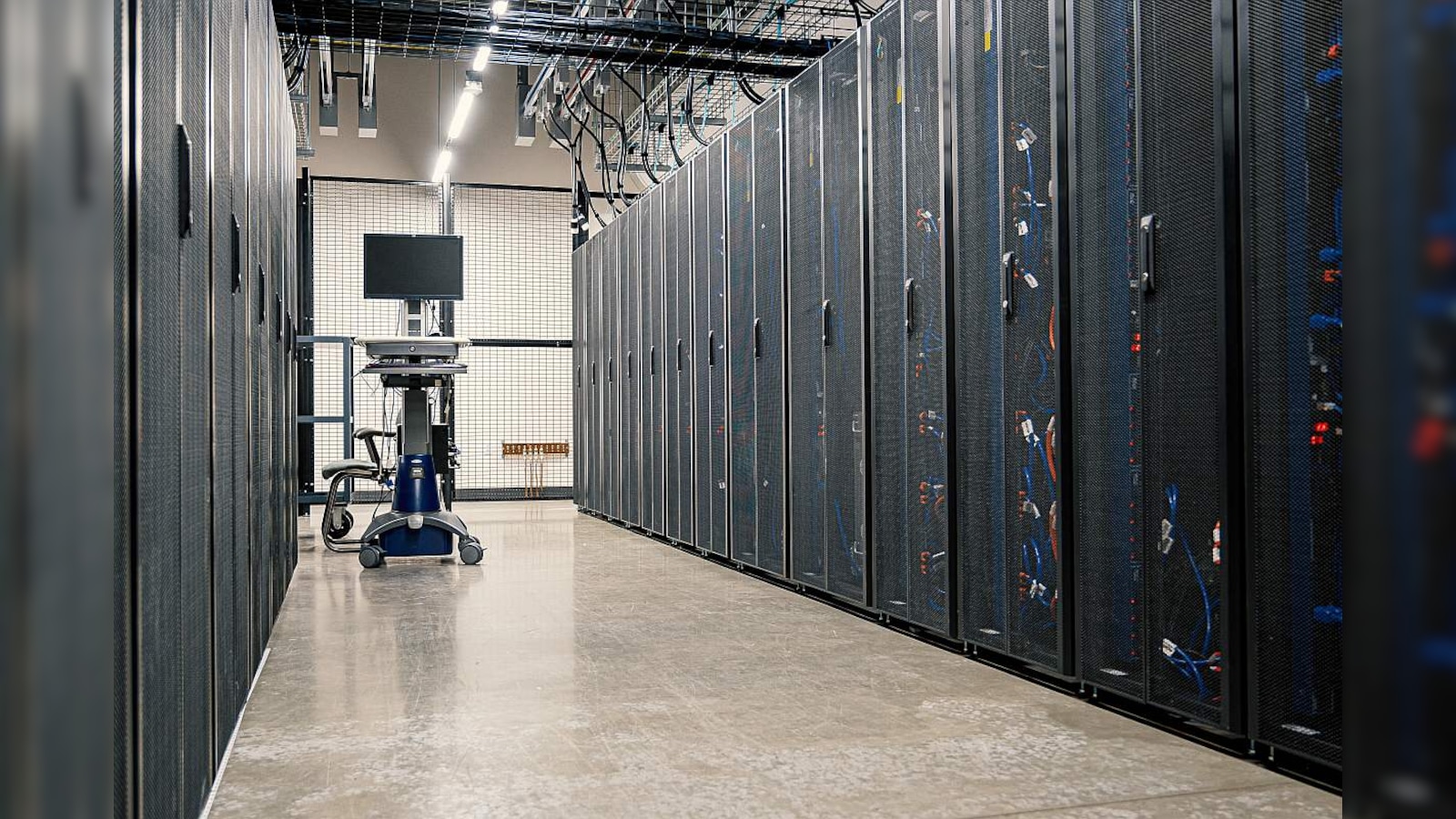
India is building many more places to store data and run computer services.
These places are called data centres.
Their total floor area could grow to more than 101 million square feet by 2030.
Building them requires dependable electricity, water, internet connections and cooling systems.
They also need workers who can reach and maintain the facilities.
Mumbai is currently the biggest centre, but other Indian cities are gaining importance.
Artificial intelligence may create even more demand because AI services can run continuously.
AI responses also need to happen close to users so they do not feel slow.
This means developers must choose land based on infrastructure as well as price.

India’s data-centre footprint is projected to exceed 101 million square feet by 2030, up from nearly 27 million in the first half of 2026.
More than $300 billion in investment commitments are expected to support the sector’s expansion.
Data centres require reliable electricity, water, connectivity, cooling, renewable energy and access to skilled workers.
Mumbai-MMR remains the leading market, while Chennai, Bengaluru, Delhi-NCR and Hyderabad are emerging as major clusters.
Artificial intelligence, especially always-on enterprise inference workloads, is expected to increase demand for strategically located, energy-efficient capacity.
- Who
- Indian data-centre developers, real-estate investors, infrastructure providers and AI businesses are driving the expansion.
- What
- India’s data-centre footprint and power capacity are projected to expand sharply, supported by more than $300 billion in expected investment commitments.
- Where
- Mumbai-MMR leads the market, with Chennai, Bengaluru, Delhi-NCR and Hyderabad emerging as important clusters.
- When
- The footprint is projected to exceed 101 million square feet by 2030; installed capacity had crossed 1.8 GW in the first half of 2026.
- Why
- Demand is being driven by digital services and the growing use of artificial intelligence, particularly enterprise AI workloads.
Key facts
- Projected footprint by 2030
- More than 101 million square feet
- Footprint in the first half of 2026
- Nearly 27 million square feet
- Investment commitments
- More than $300 billion expected
- Installed capacity in the first half of 2026
- More than 1.8 GW
- Potential capacity by the end of the decade
- More than 6.7 GW
- Current leading market
- Mumbai-MMR
- Key infrastructure needs
- Power, water, connectivity, cooling and renewable energy
Quotes
Gurleen Khurana
Co-Founder of SimplifyGenAI
“As a pure play, data centres are not something where developers will make the margins they would normally make in any other asset class”
 NDTV
NDTV
“Enterprise AI is moving from pilots to production, and production workloads never switch off”
NDTV
Sources
Related news
India’s Data Centre Capacity Could Triple by 2030
Mumbai Leads India’s Data Centre Boom as Hyderabad Surges

Mumbai breaks into world's Top 15 data centre markets

India’s Data Centre Capacity Set to Triple by 2030
Anant Raj, Lodha Tap Data Centre Boom as Growth Engine

Syrma SGS, Elemaster Launch High-Reliability Electronics Facility in Bengaluru

Shivakumar Says Sita’s Sacrifice Inspires Women Entrepreneurs and Leadership

16th Aero India Show Set for Bengaluru in February
Corporate Daycares Offer Working Parents Convenience Amid Safety Concerns

Bengaluru Police Expose Fake Officer Profiles Used in Furniture Fraud