1 day ago
Schools and Parents Must Rebuild Trust for Children

Parents and teachers both want children to do well.
Sometimes a small event is misunderstood and causes an argument.
Messages shared quickly can make the situation seem worse than it was.
A teacher’s correction may be meant to help, not punish.
Parents should ask questions before deciding what happened.
Schools should listen carefully and investigate concerns fairly.
Teachers also need support so they can guide children when necessary.
Everyone should remember that the child’s well-being is the shared goal.

A school leader says trust between parents and teachers is becoming increasingly fragile.
Misunderstandings can quickly grow through WhatsApp groups and informal conversations.
Parents may interpret correction or concern as punishment, harshness, or interference.
Schools need to investigate complaints fairly, while parents need to allow time for due process.
The article calls for transparent communication and shared responsibility for children’s well-being.
- Who
- Parents, teachers, schools, and children are involved.
- What
- The article argues that families and schools must rebuild and protect mutual trust.
- Where
- When
- Why
- Misunderstandings, rapid informal communication, suspicion of teachers, and pressure for immediate answers can damage cooperation and affect children.
School Perspective
Parent Perspective
Interpreting correction
School Perspective
A teacher may view a firm instruction or corrective action as guidance intended to teach responsibility and support the child.
Parent Perspective
A parent may interpret the same action as punishment, harshness, or inappropriate interference.
Handling complaints
School Perspective
Schools may need time to speak with teachers, students, and others before reaching a fair conclusion.
Parent Perspective
Parents may see a delayed response as indifference and expect an immediate explanation.
Trust and accountability
School Perspective
Teachers need parents’ support and trust to intervene when children require guidance.
Parent Perspective
Parents may question school decisions because they care deeply about their children and want their concerns taken seriously.
Key facts
- Central issue
- Fragile trust between parents and schools
- Shared responsibility
- Parents and teachers jointly support children’s education and development
- Common source of conflict
- Incomplete or misunderstood accounts of classroom incidents
- School responsibility
- Communicate transparently, listen, investigate objectively, and acknowledge mistakes
- Parent responsibility
- Ask questions, understand the full situation, and trust teachers’ general concern for children
- Attendance
- The article says regular attendance supports classroom interaction, activities, assessments, and peer learning
- Potential consequence
- If teachers feel unsupported, they may become hesitant to correct or intervene with students
Sources
Related news
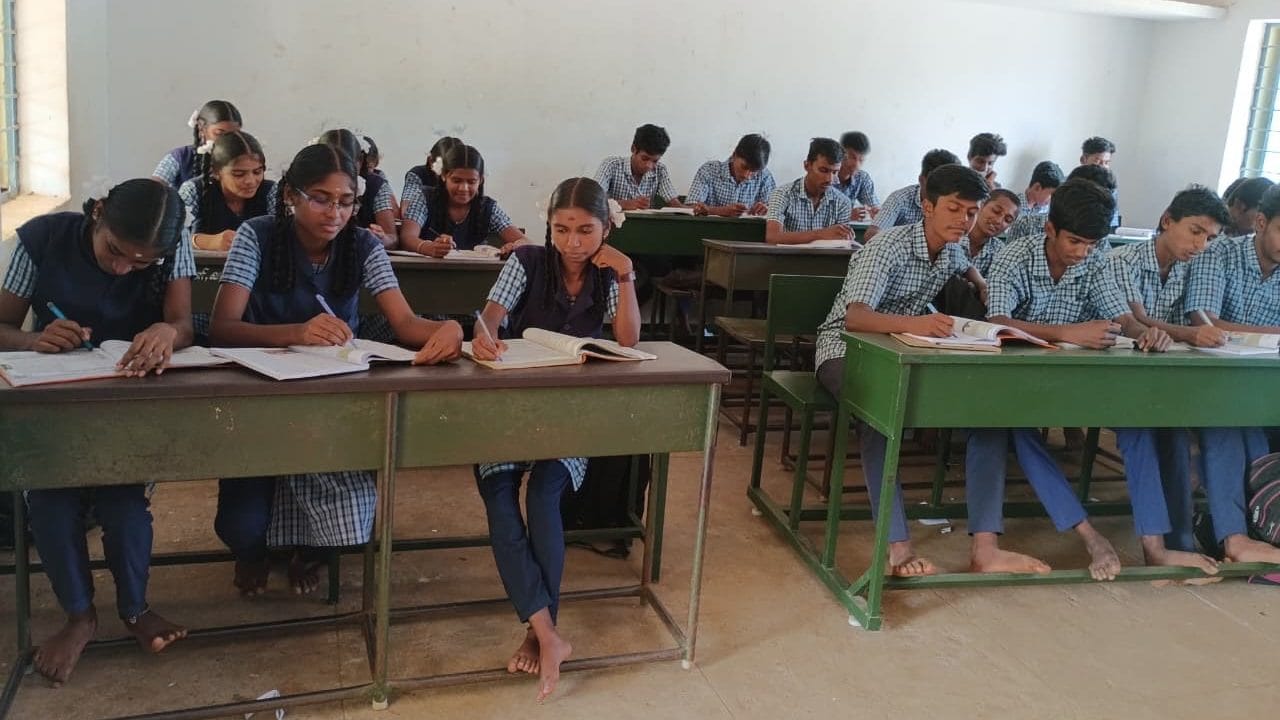
The Audacity of Asking Questions: An Educator's Perspective on Trust

Andhra Pradesh Principal Urges Telugu Media To Verify Facts

Teacher Allegations Trigger Action At Madhya Pradesh School

Alleged Student Beating At Morena School Sparks Panic

Retired Mumbai LIC Employee Loses ₹97.70 Lakh in Trading Scam

Google Escapes Ad Tech Breakup as Judge Rejects DOJ Sale

Tamil Nadu Cybercrime Probe Targets Deepfake Impersonating CM Vijay

Adilabad Police Arrest Suspect in Rs 5.3 Crore Instagram Fraud

Man loses ₹3.81 lakh in alleged Kerala lottery scam