

8 hrs ago
Tirumala Mandapams Preserve Architecture and Living Ritual Traditions
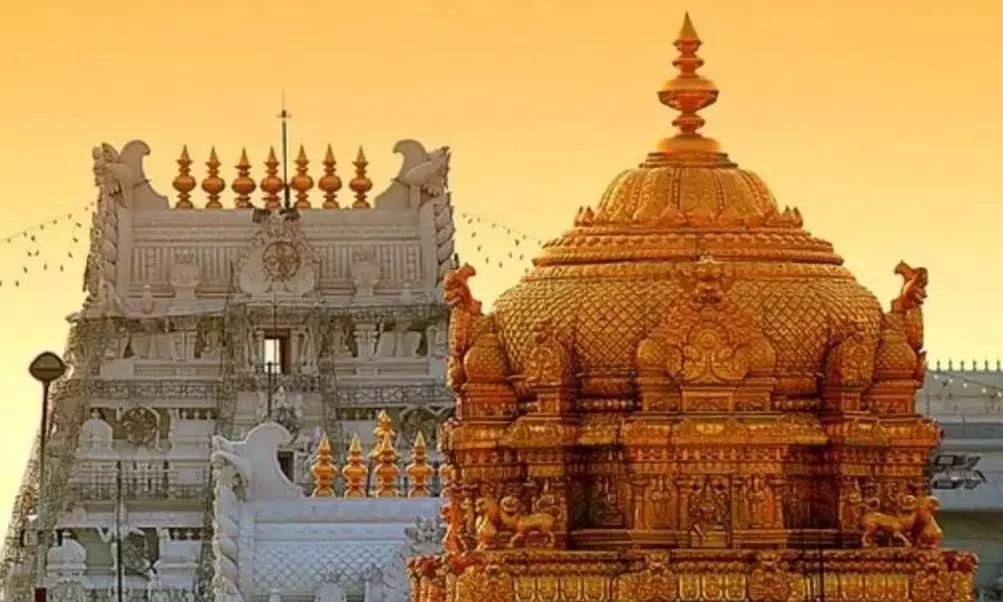
Tirumala has many old halls called mandapams.
They were built over centuries and have carved pillars, statues and other features.
These halls are still used for worship and special ceremonies.
Before the Brahmotsavams, a ritual called Beejavapanam takes place in Ankurarpana Mandapam.
Other halls are used for offerings, music, prayers and festivals.
Some also hold statues that remember rulers who supported the temple.
The mandapams are both historic buildings and active parts of temple life.

Historic mandapams at Tirumala serve as venues for worship, temple rituals and festivals, as well as reminders of the temple’s architectural heritage.
Ankurarpana Mandapam hosts the Beejavapanam ritual before Brahmotsavams; this year, Ankurarpanam begins October 11, ahead of the second Brahmotsavams from October 12.
The Dhwajasthambha Mandapam, built in 1470 by Saluva Narasimharaya, is used for ceremonies including the concluding Dwajavarohanam of the second Brahmotsavams.
Mandapams associated with Vijayanagara rulers include Krishna Raya Mandapam, with statues of Sri Krishna Devaraya and his consorts, and Mahamani Mandapam, built in 1417.
Other spaces host recurring services, including Dolotsavam in Addala Mandapam, Suprabhatam recitation in Mahamani Mandapam and nightly Ekanta Seva in Sayana Mandapam.
- Who
- Tirumala temple worshippers and priests, with the temple’s mandapams serving as ritual venues.
- What
- Historic mandapams preserve architectural heritage while hosting daily worship, ceremonies and festivals.
- Where
- Tirumala hill temple, near Tirupati.
- When
- Throughout the year; the article says Ankurarpanam begins October 11 and the second Brahmotsavams begin October 12.
- Why
- The mandapams accommodate distinct religious services and connect ongoing temple traditions with the site’s architectural and historical heritage.
Heritage as living practice
Heritage as historical record
Role of the mandapams
Heritage as living practice
The mandapams remain functional spaces for daily worship, ceremonies and festivals.
Heritage as historical record
Their architecture, sculptures and links to rulers and historical events also preserve the temple’s past.
Key facts
- Ankurarpanam
- Begins October 11; Beejavapanam is performed in Ankurarpana Mandapam before the Brahmotsavams.
- Second Brahmotsavams
- Preparations begin with the ceremony; the festival is stated to begin October 12.
- Dhwajasthambha Mandapam
- Built in 1470 by Saluva Narasimharaya; has 10 pillars, a flagstaff and a Bali Peetham.
- Ranganayakula Mandapam
- Built between 1310 and 1320; Srirangam’s Sri Ranganatha utsava idols were kept there between 1320 and 1360.
- Mahamani Mandapam
- Built in 1417 by Mallana; has 16 pillars and houses a large temple bell.
- Addala Mandapam
- Also called Ayina Mahal; its 36-pillared structure hosts daily Dolotsavam to Sri Malayappa Swamy.
- Sayana Mandapam
- Hosts nightly Ekanta Seva, including a lullaby sung by a descendant of Annamacharya.
Sources
Related news
Tirumala's Brahmotsavams Carry a More Than Thousand-Year Tradition Forward

Tirumala Brahmotsavams Reflect More Than a Millennium of Change
1220 Inscription Records Offerings at Ramanujacharya Shrine
Snapana Tirumanjanam Ritual Held During Tirumala Brahmotsavams Celebrations
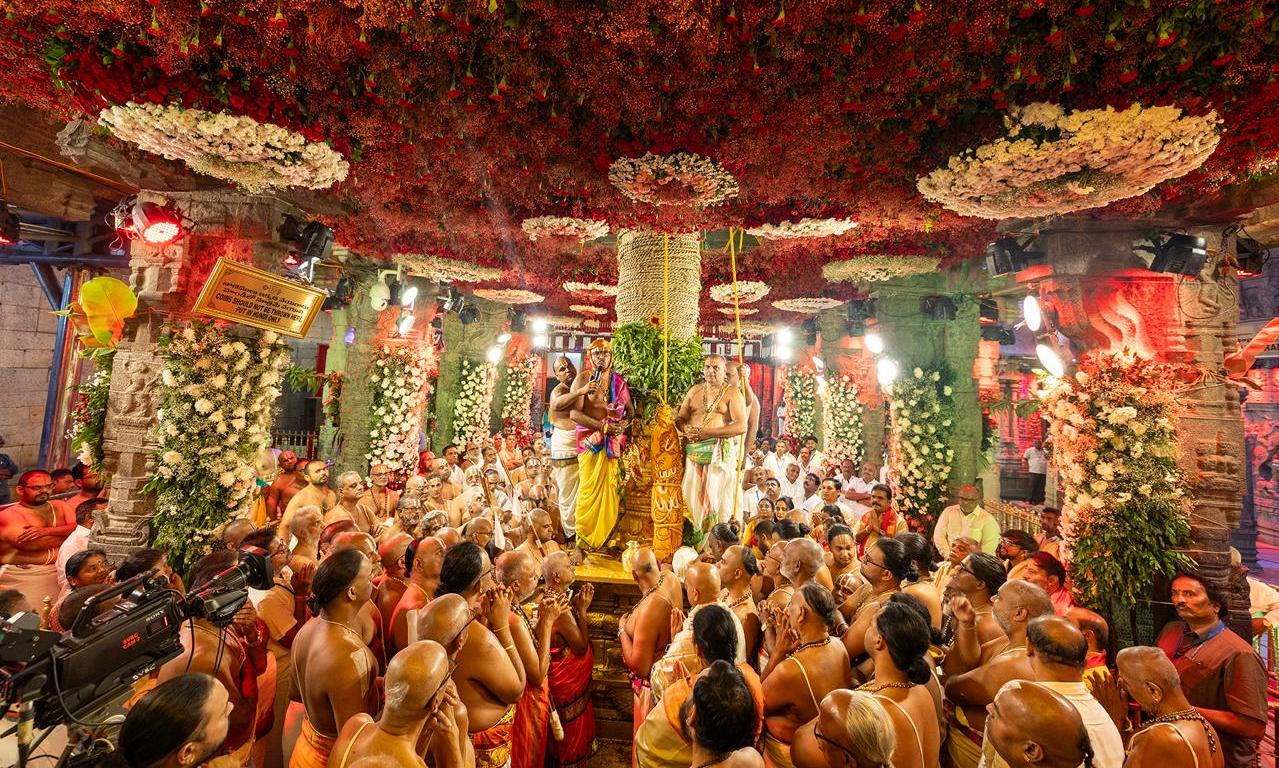
Tirumala Brahmotsavams Begin With Dhwajarohanam and Vahana Sevas

Renovated Tirumala Museum Uses Technology to Showcase Historic Treasures
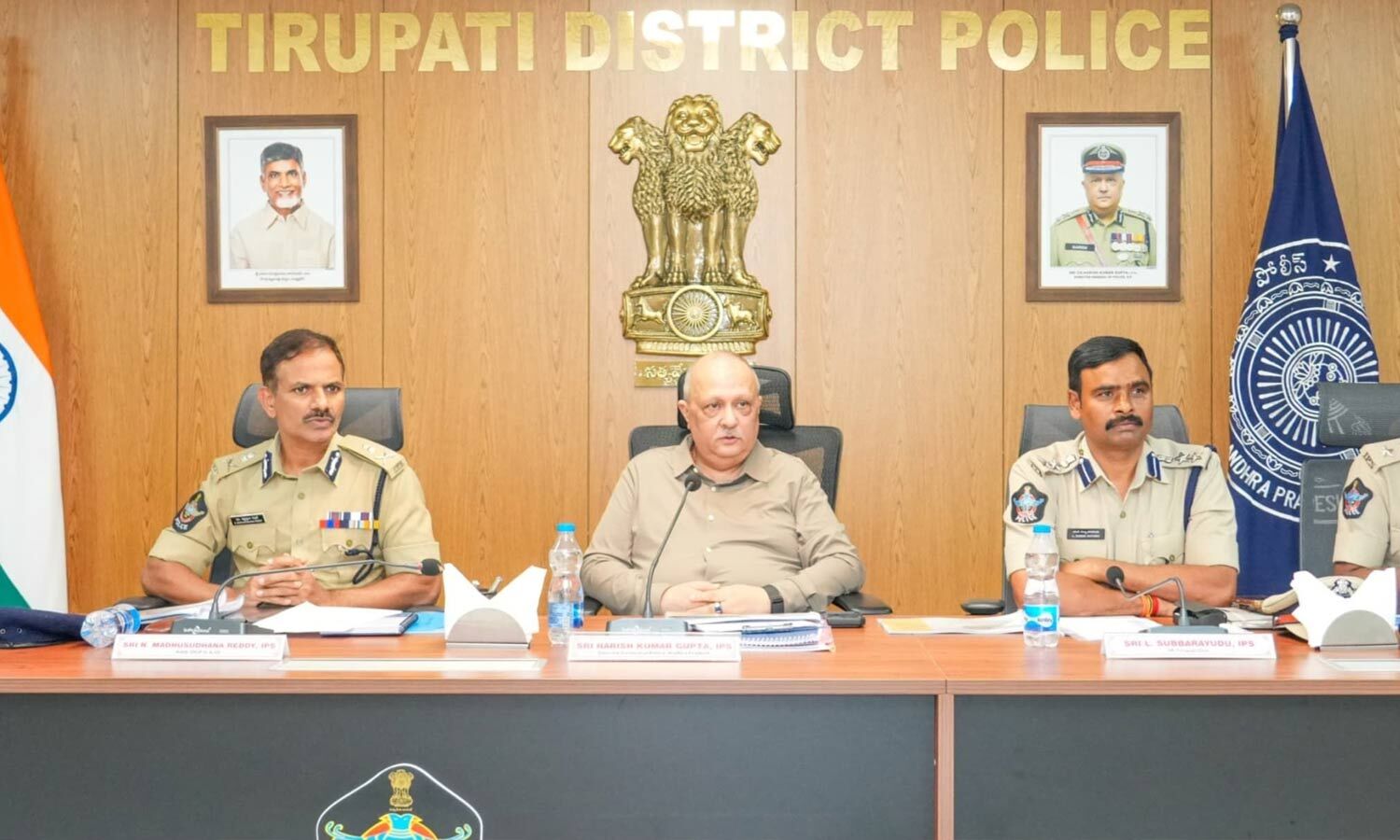
DGP Orders Strong Security Preparations for Local Body Polls
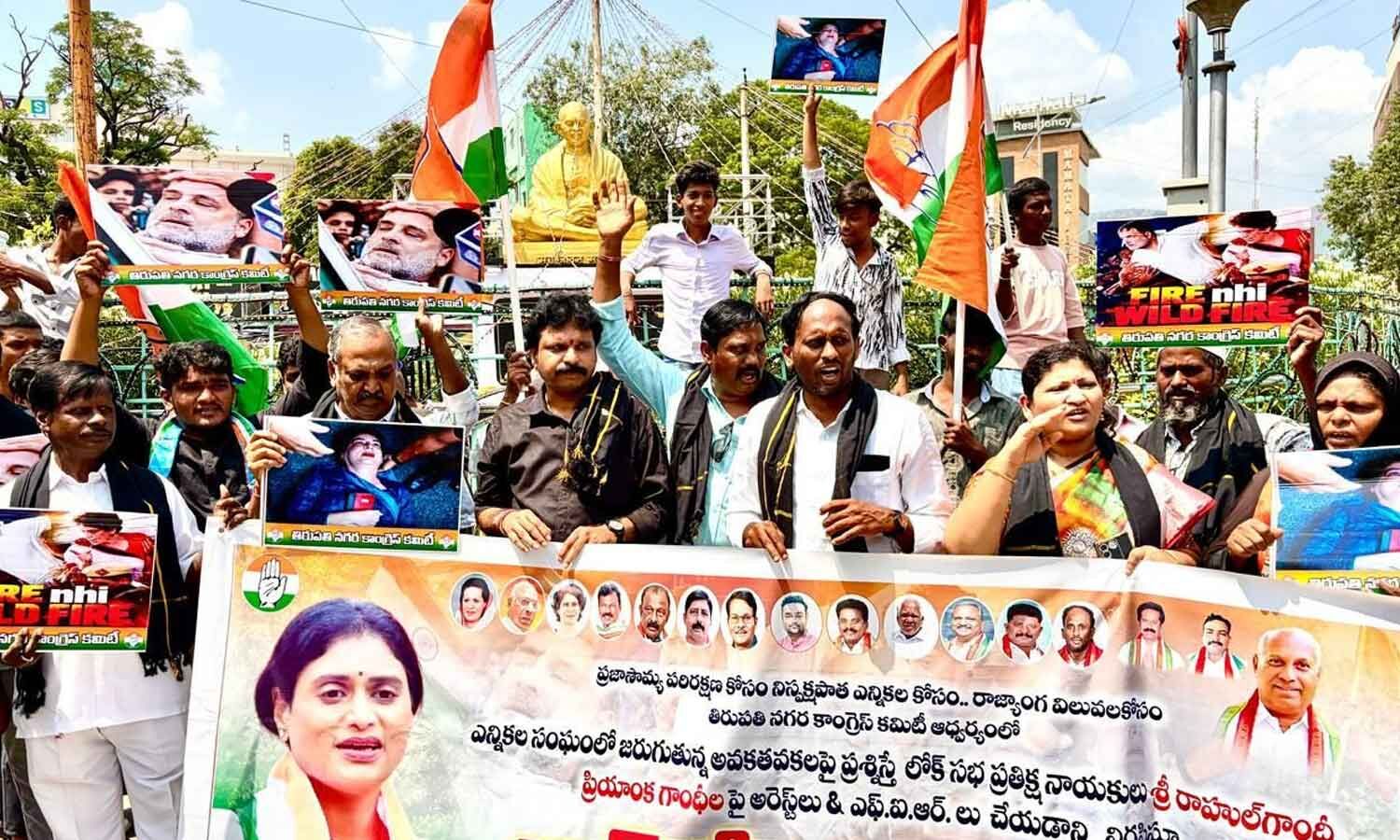
Congress Protests Detention of Rahul and Priyanka Gandhi
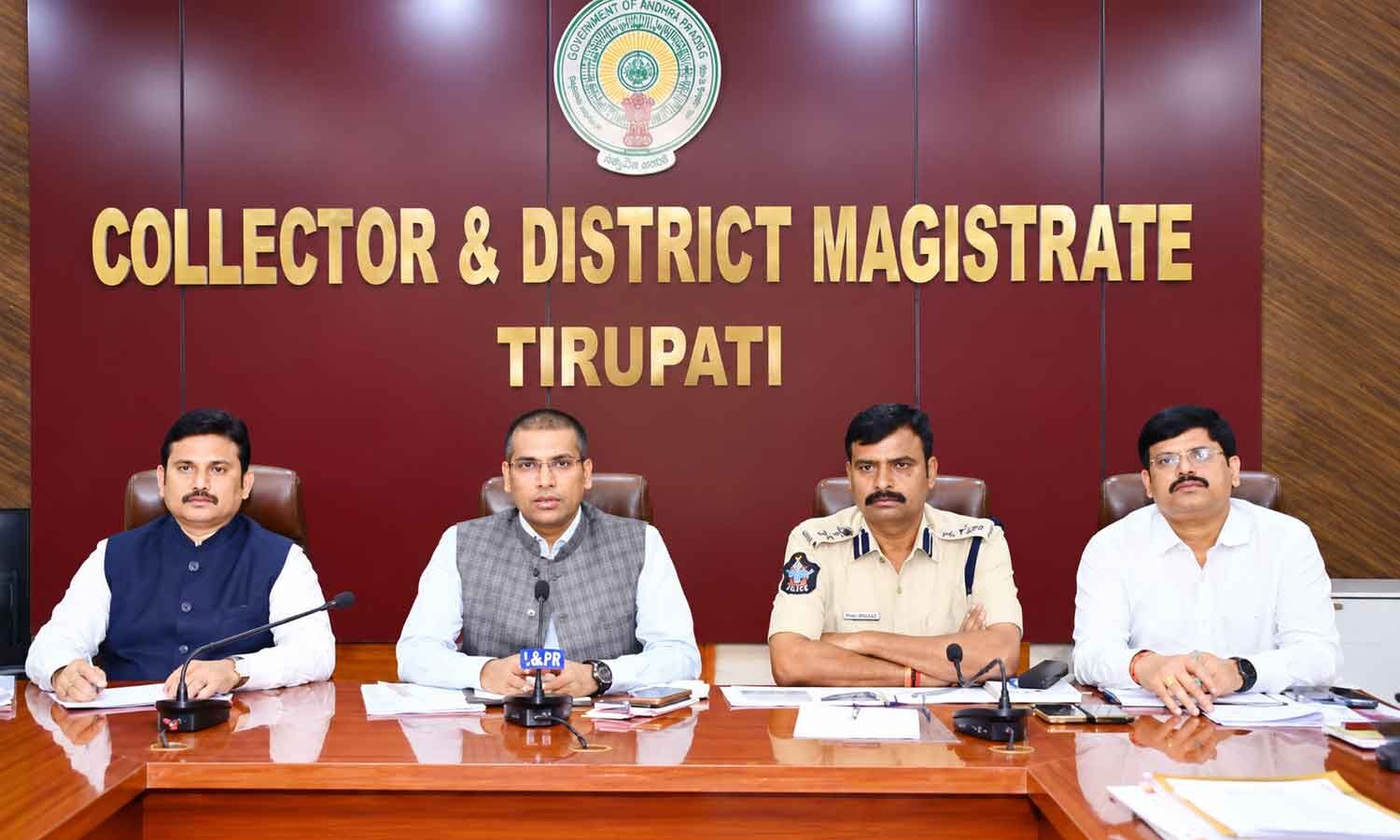
Tirupati Collector Orders Advance Preparations for Local Body Elections
Vijayasai Reddy Unveils Five Proposals for Tirupati, Promises Prohibition
