1 hr ago
Russia Says Irkutsk Health Situation Stable After Lab Worker Dies

A 28-year-old woman who worked at a research institute in Irkutsk became very sick with pneumonia and died.
Because her workplace studies dangerous germs, people worried that she might have had plague.
Russian officials say tests did not find plague-related germs in her samples.
They also said there was no lab accident or broken safety rule.
People who had been in close contact with her were watched and tested.
The tests found some Covid-19 and rhinovirus cases, but no other infections.
Officials say the area’s health situation is stable, while monitoring continues.
The exact cause of the woman’s illness has not been confirmed.

A 28-year-old worker at the Irkutsk Anti-Plague Research Institute died after developing severe pneumonia.
Russian authorities said tests found no plague-linked microorganisms and reported no safety breach at the institute.
Around 200 people who had contact with the worker were reportedly placed under medical observation.
Monitoring tests found two cases of Covid-19 and two of rhinovirus, but no other infections.
The cause of the worker’s illness remains unconfirmed; Russian officials say the regional health situation is stable.
- Who
- A 28-year-old worker at the Irkutsk Anti-Plague Research Institute; Russian health authorities are overseeing the response.
- What
- The worker died after severe pneumonia, prompting concern about possible plague exposure; authorities say there is no confirmed evidence of plague.
- Where
- Irkutsk, in Siberia, Russia.
- When
- She was hospitalised last Tuesday and died two days later; authorities made their statement on Monday.
- Why
- Concerns arose because she worked at a facility handling dangerous pathogens and reports suggested possible exposure to live bacteria.
Outbreak concerns
Official assessment
Possible plague infection
Outbreak concerns
The worker’s job at an anti-plague institute and reports of possible exposure to live bacteria prompted concern; Buryatia’s head initially said she had died from plague, then qualified that as “maybe” plague.
Official assessment
Russian authorities said testing found no microorganisms linked to her work and that there was no confirmed evidence she died from plague.
Possible laboratory accident
Outbreak concerns
Earlier reports suggested she may have broken a test tube containing live bacteria.
Official assessment
The institute’s special commission and Rospotrebnadzor concluded there had been no emergency or breach of safety protocols.
Key facts
- Worker's age
- 28
- Illness reported
- Pneumonia of unknown etiology
- Contact monitoring
- Around 200 people were reportedly placed under medical observation
- Contact test results
- Two Covid-19 cases and two rhinovirus cases; no other infections reported
- Plague evidence
- Authorities said laboratory tests did not detect microorganisms linked to her work; no confirmed evidence that she died from plague
- Institute review
- A special commission and Rospotrebnadzor concluded there had been no emergency or safety-protocol breach
- Ongoing response
- Medical observation and monitoring of contacts continued
Sources
Related news

Russian Lab Worker’s Death Raises Pneumonic Plague Fears

Nearly 200 Monitored After Siberian Lab Worker Dies

Siberian Lab Worker Dies Amid Suspected Plague, Contacts Monitored

Siberian Lab Worker’s Death Prompts Quarantines and Plague Fears
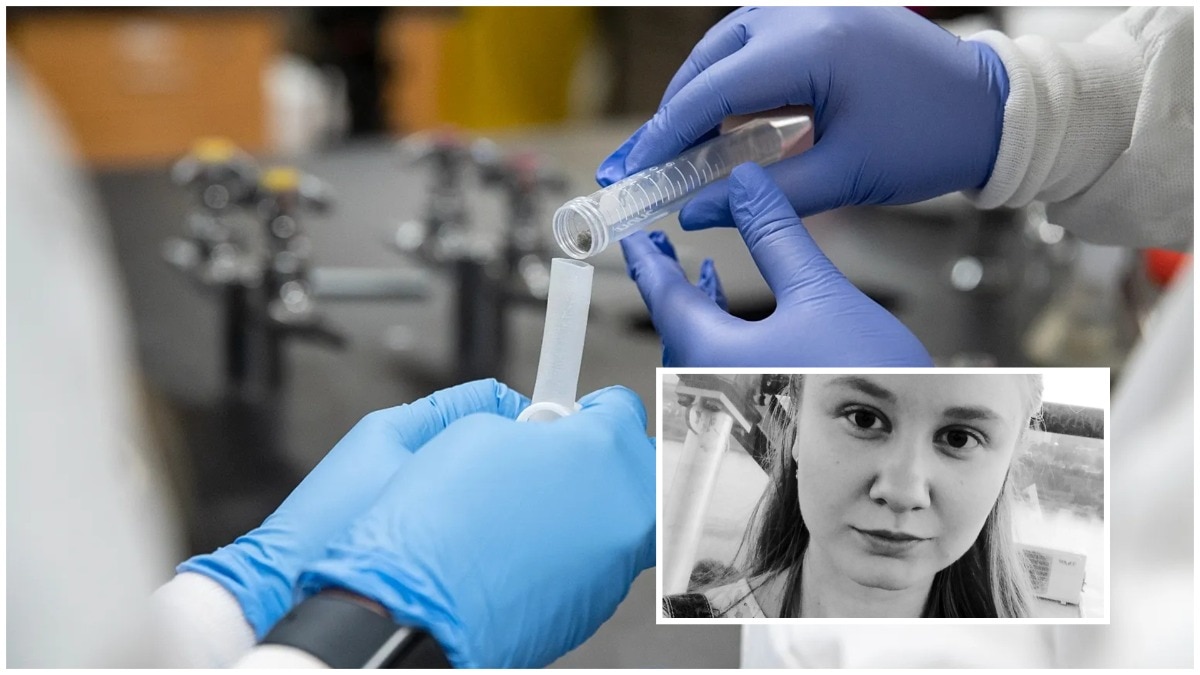
Russia Investigates Lab Researcher's Death Amid Plague Fears
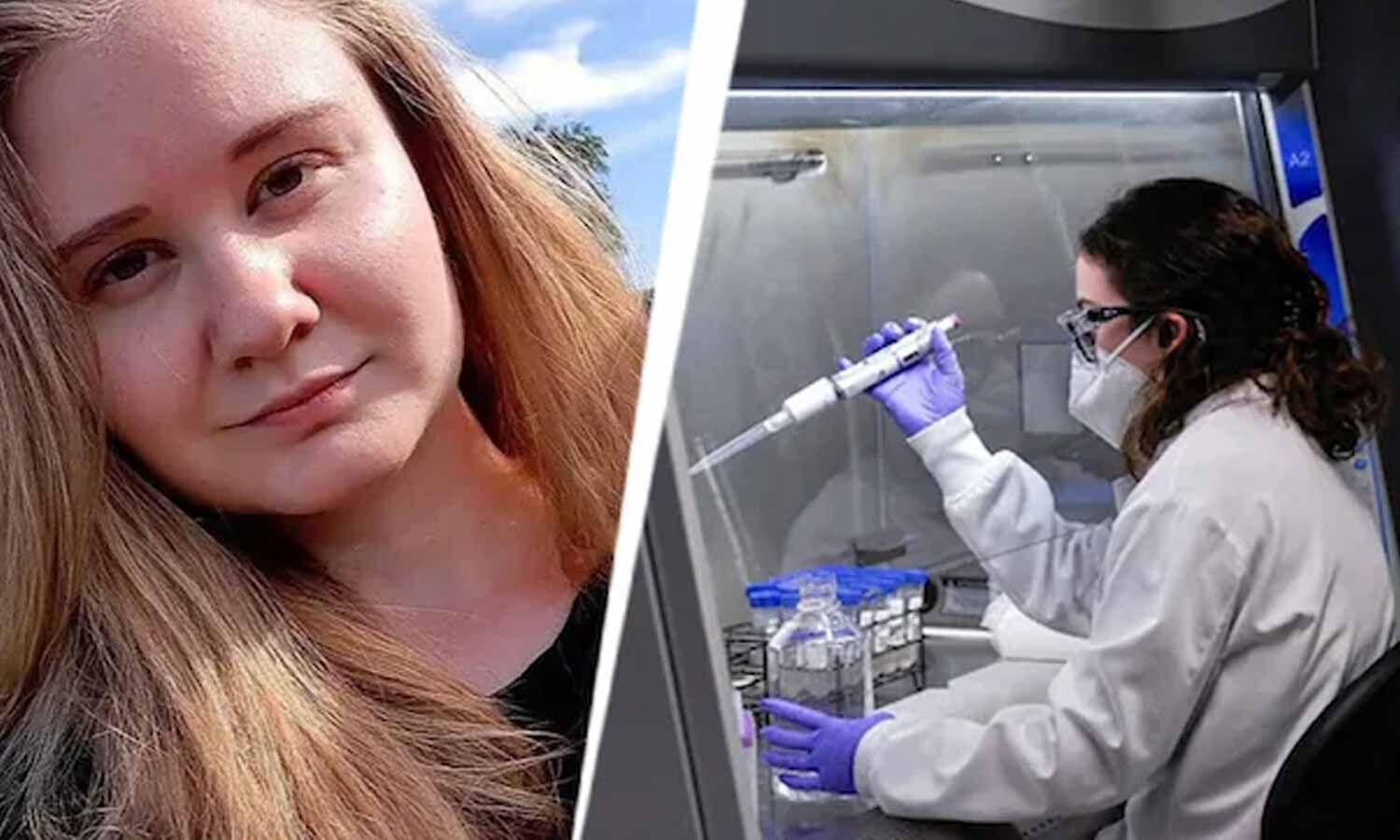
Russian Lab Technician Dies After Pneumonia; US Monitors Unconfirmed Reports
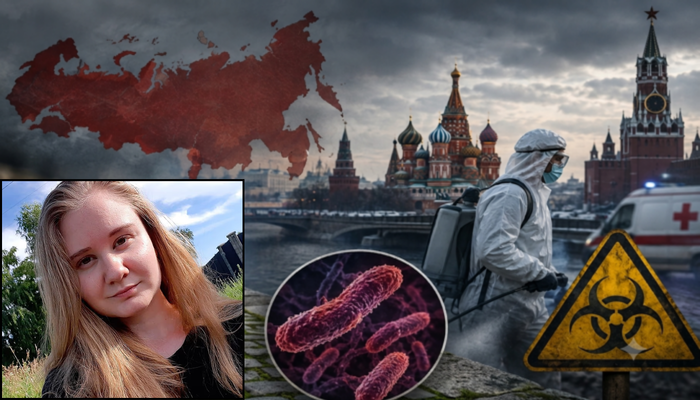
Lab Worker's Death Prompts Plague Precautions in Siberian Russia

Suspected Plague Case in Siberia Prompts Medical Monitoring

Russian Plague Scare Raises Questions About India’s Risk

Siberian Lab Technician Dies After Reported Plague Exposure