1 hr ago
US-Russia Diesel Deal Exposes Deep Energy Ties

The United States has said it will buy diesel from Russia.
This is a change from earlier threats to penalize countries that trade in Russian energy.
Diesel has become much more expensive in the United States, raising costs for businesses that move goods and grow food.
At the same time, Ukrainian drone attacks have damaged Russian refineries.
Russia is producing less fuel and has limited some exports to protect supplies at home.
The deal could give the United States more diesel and give Russia money from selling it.
The article says this shows that the two countries' energy markets remain connected despite political conflict.

Donald Trump announced that the United States would buy Russian diesel, despite earlier threats of penalties against countries trading in Russian energy.
US retail diesel prices rose from about $3.70 per gallon in September 2025 to around $6.30 in September 2026, according to the article.
Russia's refinery network has been damaged by sustained Ukrainian drone strikes, with June 2026 throughput reported at its lowest level in more than two decades.
The article estimates Russian diesel output fell nearly 30% and says Moscow restricted fuel exports to protect domestic supplies.
The proposed deal could help ease US fuel-price pressure and provide Russia with export revenue, illustrating continued links between the countries' energy markets.
- Who
- The United States, under President Donald Trump, and Russia.
- What
- Trump announced that the United States would buy Russian diesel.
- Where
- The United States and Russia.
- When
- The announcement is discussed alongside diesel price and refinery data through September 2026; the article does not give the announcement date.
- Why
- The United States faces high diesel prices, while Russia has lost refining capacity and export opportunities.
Criticism and concern
Practical energy needs
Buying Russian diesel
Criticism and concern
Critics call the move hypocritical because it follows threats to penalize countries that continued trading in Russian energy.
Practical energy needs
Supporters of the deal's rationale point to high US diesel prices and the potential for added supplies to ease inflationary pressure.
Benefits to Russia
Criticism and concern
The purchase could provide export revenue to Russia despite political hostility and years of sanctions.
Practical energy needs
Russia's refinery damage and export restrictions have squeezed its fuel trade, giving Moscow a practical reason to seek buyers.
Key facts
- US diesel price
- About $3.70 per gallon in September 2025, rising to around $6.30 by September 2026, according to the article.
- Russian refineries
- Russia has 32 major refineries and around 6.5 million barrels per day of installed refining capacity.
- June 2026 throughput
- Russian refinery throughput fell to 3.8 million barrels per day, its lowest level in more than two decades.
- Output declines
- The article estimates gasoline production fell about 20% from 2025 levels and diesel output nearly 30%.
- Reported strike frequency
- The International Energy Agency commentary cited in the article says a Russian refinery was hit on average once every three days during the first eight months of 2026.
- Potential US benefit
- Additional supplies could help cool diesel prices and ease inflationary pressure.
- Potential Russian benefit
- Sales to a large buyer could generate export revenue while refinery outages and export restrictions squeeze fuel trade.
Quotes

International Energy Agency
International organization focused on energy policy and analysis.
“In the first eight months of 2026, a Russian refinery was hit on average once every three days.”
 NDTV
NDTV
Sources
Related news
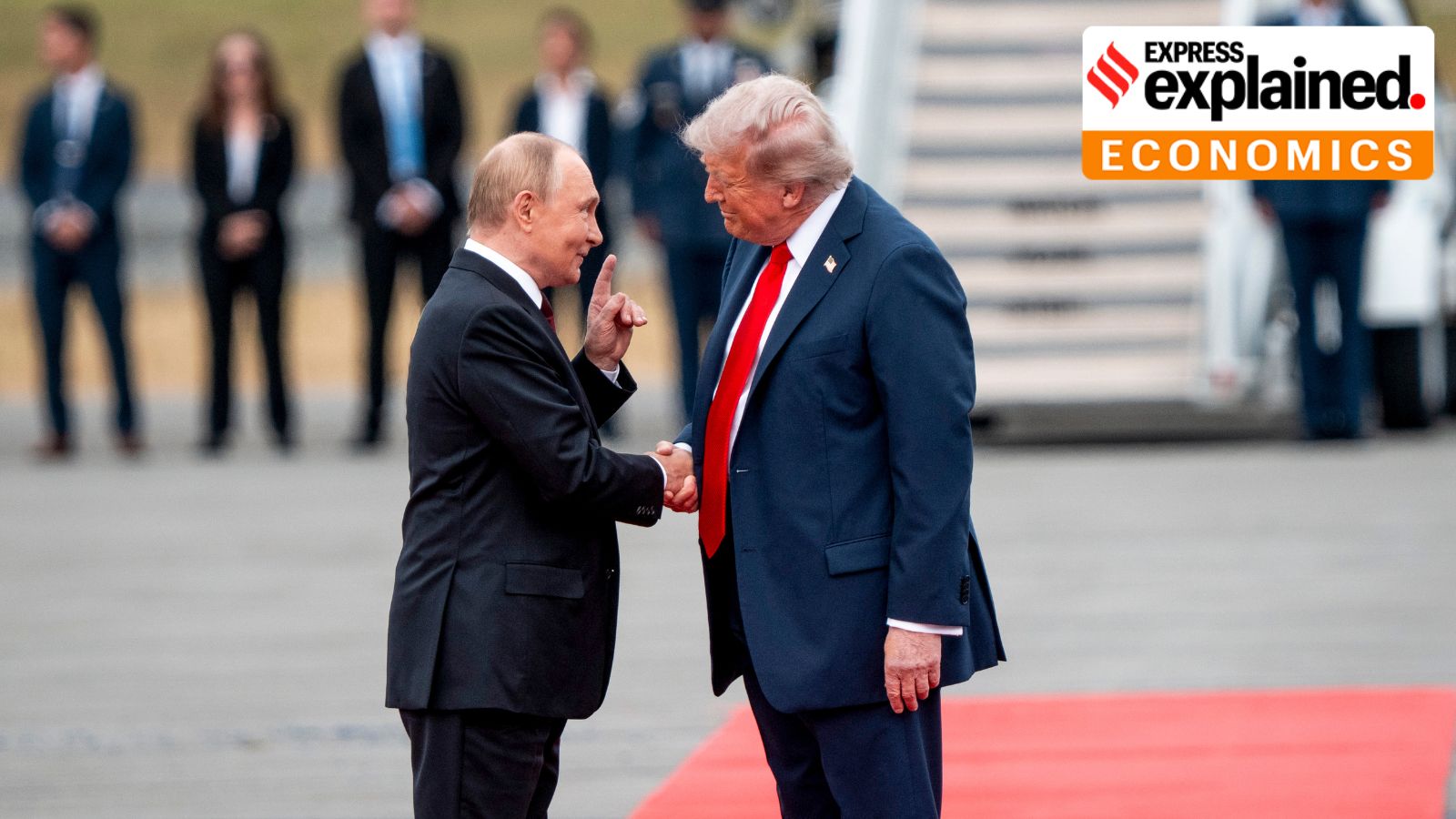
Trump’s Russian Diesel Deal Draws Ukraine Backlash, Raises Policy Questions

Russia Extends Diesel Export Ban Amid Global Fuel Crunch
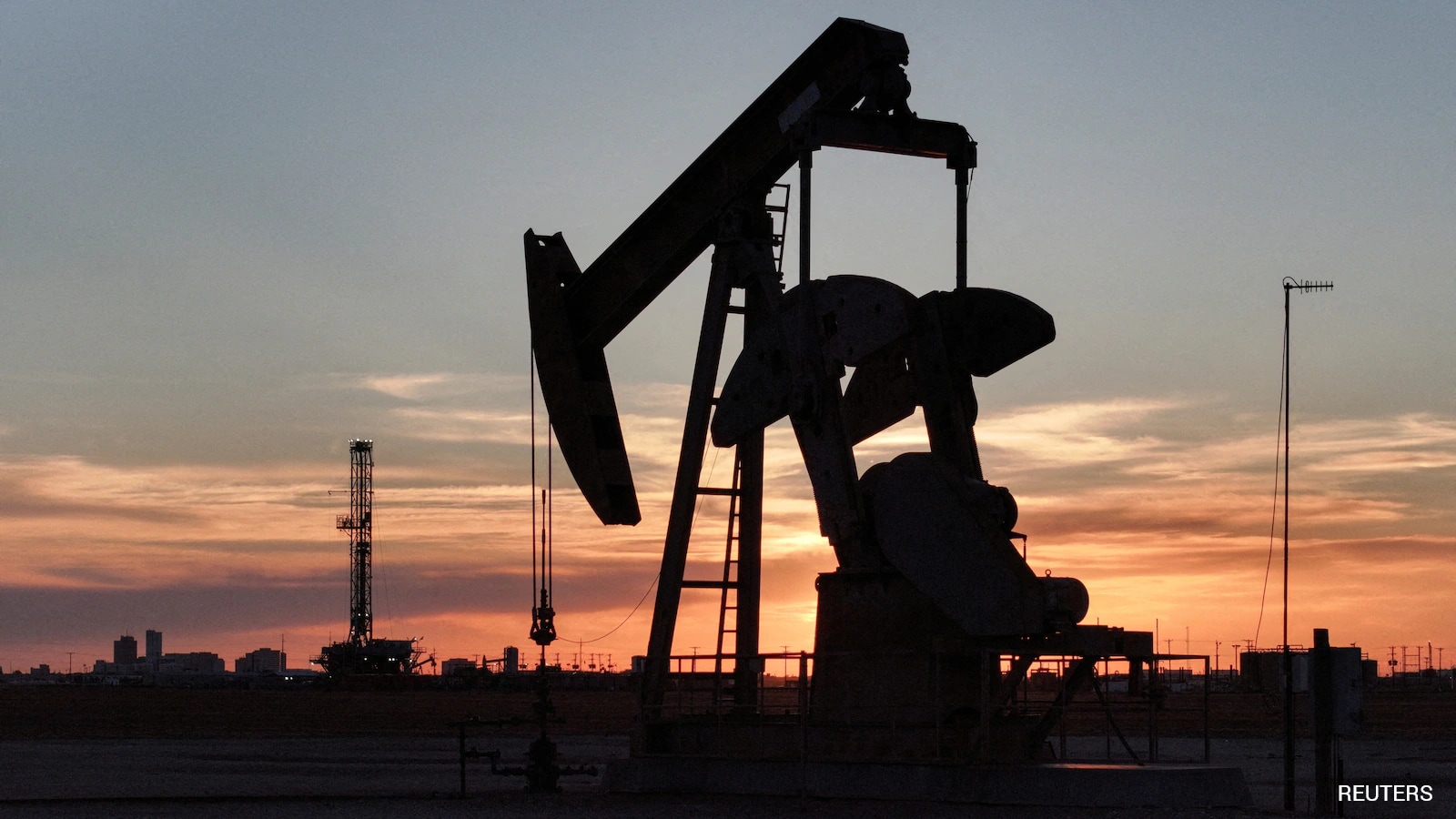
US Lifts Sanctions on Russian Diesel Sales Through April 2027

Trump Says Ukraine’s Refinery Strikes Are Hurting Global Fuel Markets
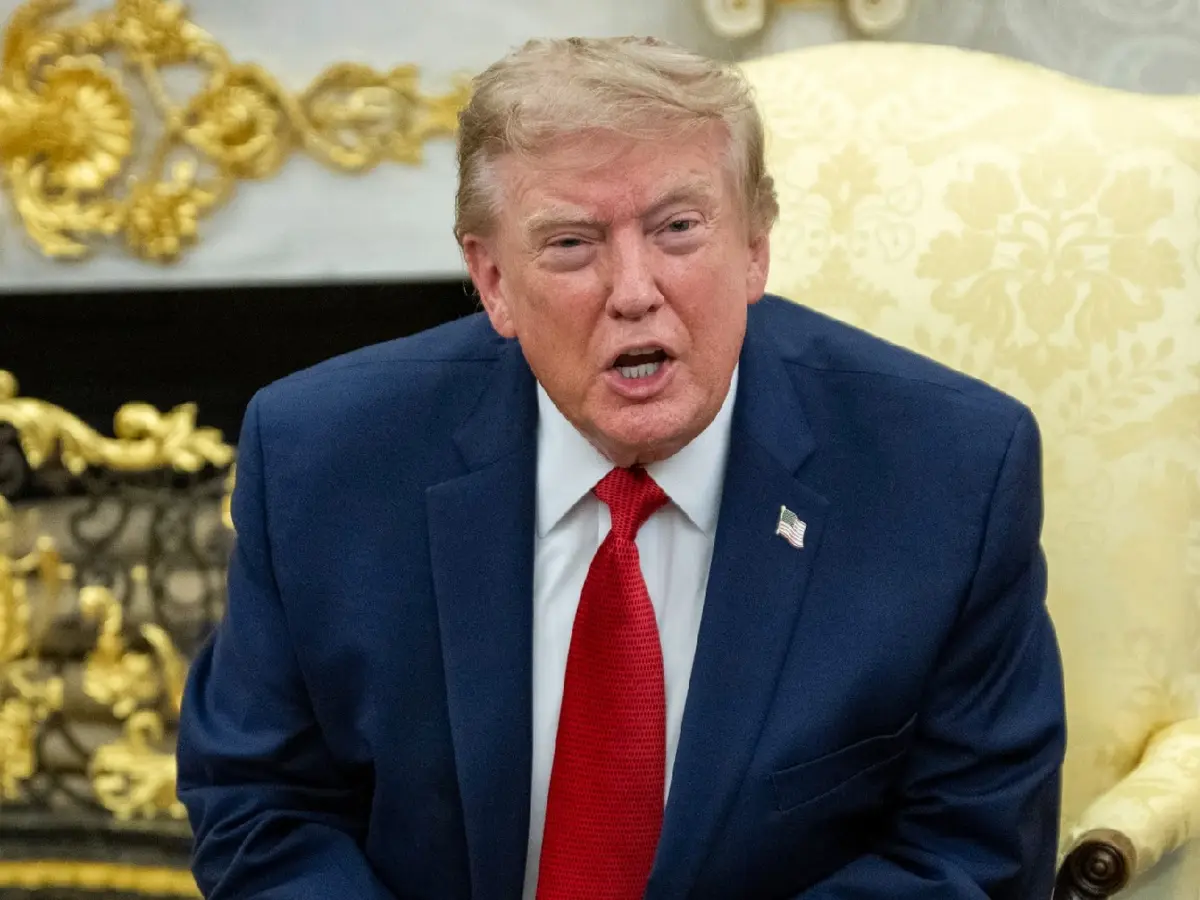
Trump Says Russian Diesel Industry Lost Control Amid Ukraine War

Trump-Putin Diesel Deal Draws Zelenskyy’s Sanctions Criticism

Europe Rejects Trump’s Russian Diesel Sanctions Suspension

Russian Strike Kills 12 in Zaporizhzhia After Diesel Sanctions Eased
Starlink’s Criminal Misuse Raises Questions About Network Controls

Hungarian Freediver Sets Pending World Record With 350-Foot Dive