2 hrs ago
Starlink’s Criminal Misuse Raises Questions About Network Controls
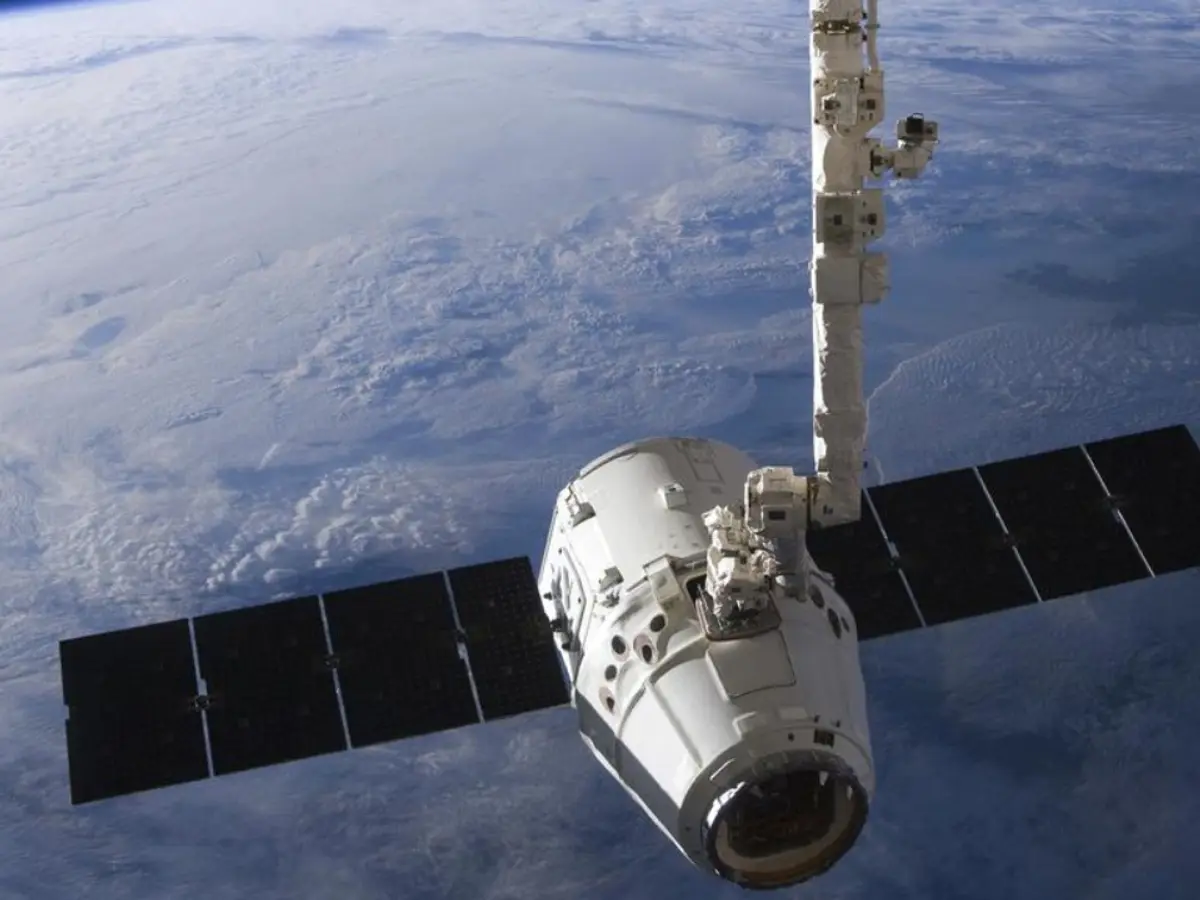
Starlink is a satellite internet service that can work in places without regular internet.
The article says some criminals and armed groups have used its small, portable equipment.
Examples include illegal miners in Brazil, scam operators in Myanmar, Russian forces in Ukraine, and smugglers or insurgents in India.
The terminals were reportedly smuggled, diverted, or bought on the black market, rather than sold for criminal use.
SpaceX says it bans illegal use and has shut down thousands of unauthorized terminals.
Governments in some places have asked the company to help identify users or locate equipment.
The article argues that internet access useful to remote communities can also help people avoid government controls.
It says India wants rules and safeguards in place before Starlink launches commercially there.

Reports describe Starlink terminals used by illegal miners on protected Yanomami land in Brazil to coordinate operations and evade police.
Myanmar scam compounds reportedly used Starlink after Thailand cut cross-border power and internet; SpaceX says it disabled about 2,500 terminals.
Russian forces reportedly obtained Starlink terminals through black-market smuggling and used them in occupied territory and on attack drones.
Starlink terminals were recovered in a drug seizure in India’s Andaman and Nicobar Islands and an army operation against insurgents in Manipur.
The article says the cases involved smuggled, diverted, or black-market terminals, and argues India wants controls established before service launches.
- Who
- SpaceX and users of Starlink terminals, including illegal miners, scam operators, Russian forces, smugglers, and insurgents.
- What
- The article describes Starlink terminals being used in illegal or military operations and examines calls for stronger controls.
- Where
- Brazil, Myanmar, Ukraine, and India.
- When
- The article cites cases from different periods, including a 2025 agreement in Brazil; it gives no overall date for the reported incidents.
- Why
- The terminals offer portable connectivity that can operate beyond the reach of local networks and authorities.
Critics and governments
SpaceX and Starlink
Controls before launch
Critics and governments
The article presents India’s position as a demand for controls on users and terminals before commercial service begins, rather than after misuse is discovered.
SpaceX and Starlink
SpaceX says it bans illegal use and has taken action against unauthorized terminals, including disabling roughly 2,500 linked to Myanmar scam compounds.
Responsibility for criminal use
Critics and governments
The article argues Starlink’s portable, independent connectivity can help criminals and armed groups operate beyond local authorities’ reach.
SpaceX and Starlink
SpaceX says it did not sell terminals for these purposes; the article describes the cited cases as involving smuggling, diversion, or black-market purchases.
Key facts
- Brazil
- Federal prosecutors secured an agreement in 2025 requiring user identification in the Amazon and sharing geolocation data with authorities.
- Myanmar
- SpaceX said it disabled roughly 2,500 terminals powering scam compounds.
- Ukraine
- SpaceX says it never sold Starlink to Russia and worked with Ukraine on a verification whitelist.
- India
- Terminals were recovered in a drug seizure in the Andaman and Nicobar Islands and an army operation against insurgents in Manipur.
- SpaceX policy
- The company says its terms ban fraudulent and illegal use and that Starlink is not licensed in markets such as Myanmar.
- Common concern
- The article says portability and independence from local networks can make terminals useful to people seeking to avoid government oversight.
Sources
Related news

Musk Denies Starlink Militants Used in India, Says Beams Off
Musk Challenges India’s Starlink Rules Amid Epstein Revelations

Why Starlink Still Cannot Launch Commercially in India

Musk Accuses ‘Oligarchs’ of Blocking Starlink’s India Launch

Grok Outlines Risks as Starlink's India Launch Remains Delayed

KTR Challenges Musk to Name Starlink's Alleged India Blockers

Russian Strike Kills 12 in Zaporizhzhia After Diesel Sanctions Eased
Hungarian Freediver Sets Pending World Record With 350-Foot Dive

Russian Strikes Kill 11 as Trump Announces Diesel Deal
Russian Strike Kills Seven in Zaporizhzhia as Peace Talks Continue