5 hrs ago
Trump and Xi Weigh AI, Trade Truce and Taiwan
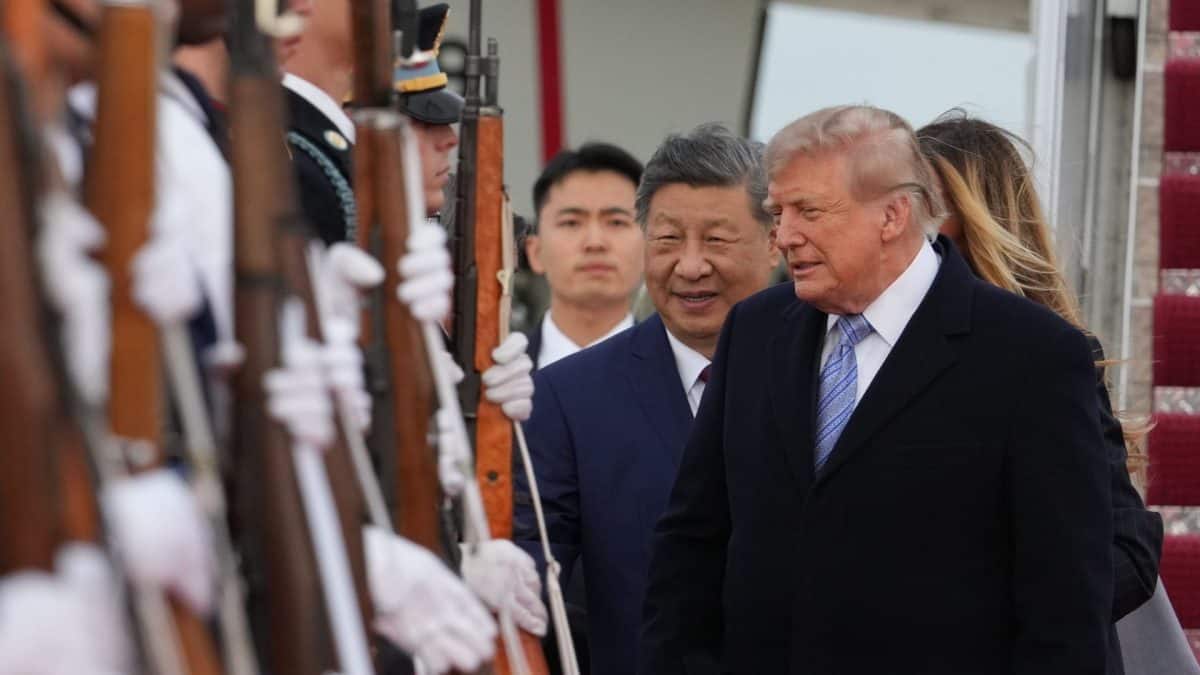
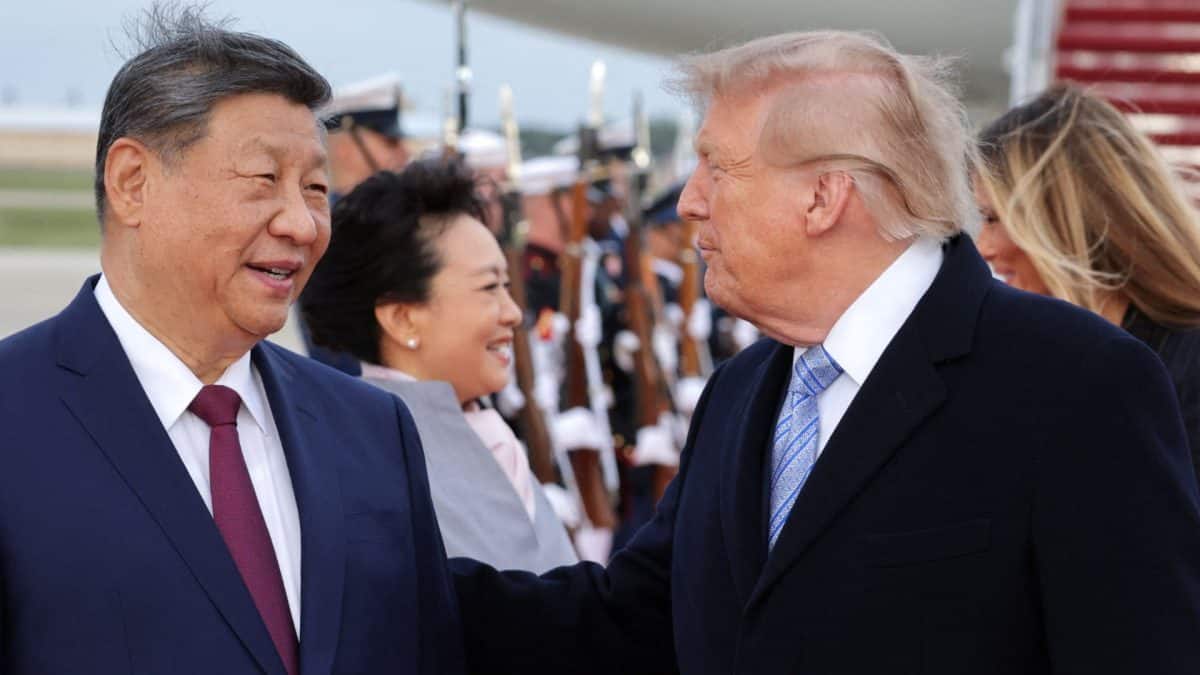
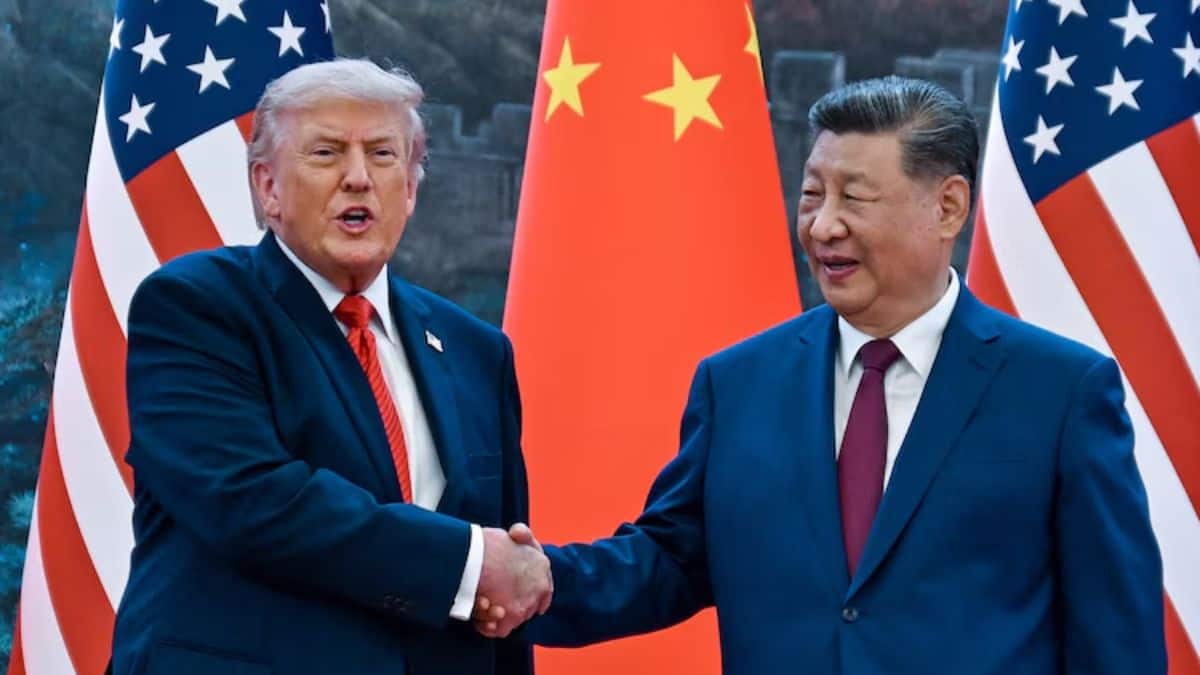
Donald Trump and Xi Jinping are meeting to discuss the relationship between the United States and China.
Artificial intelligence will be one of the main subjects.
Trump says both countries want to keep the current AI situation mostly unchanged.
The leaders are also trying to extend a pause in their trade fight.
However, they have not fully agreed on how long that pause should last.
They still disagree about trade promises and U.S. weapons sales to Taiwan.
China wants those weapons sales to stop, while U.S. law requires support for Taiwan’s ability to defend itself.
A major agreement on Iran is considered unlikely.
Experts say the leaders may focus on avoiding new conflict and making small improvements.

Donald Trump said artificial intelligence will be a major topic when he meets Xi Jinping on Thursday.
Trump indicated that Washington and Beijing want to preserve current AI arrangements, with the Department of Justice acting as a safeguard.
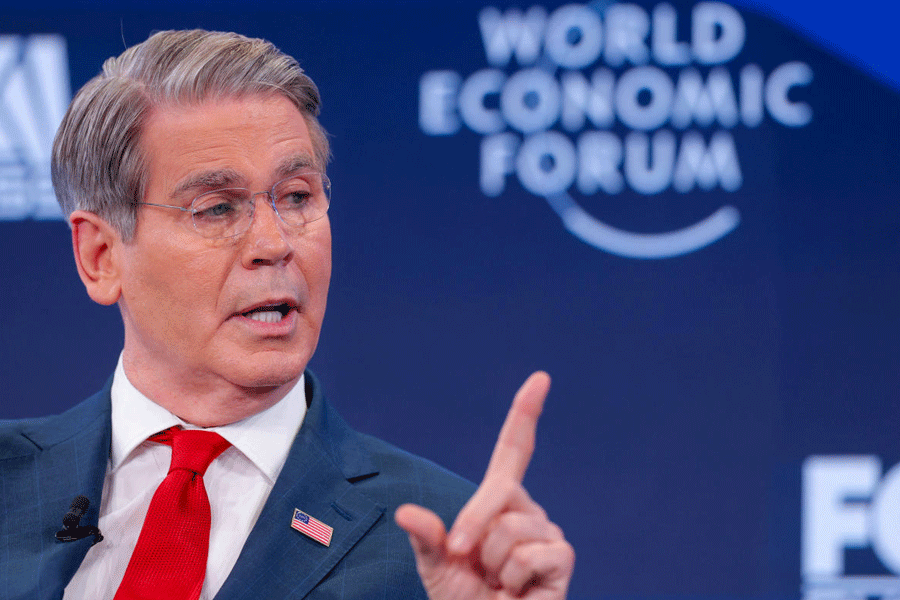
Treasury Secretary Scott Bessent said the countries had agreed in principle to extend their trade truce, though its duration remains uncertain.
The two sides still disagree over issues including rare-earth exports, Chinese purchases of U.S. goods, and Taiwan arms sales.
Analysts expect both leaders to seek limited gains and avoid a breakdown, rather than reach major breakthroughs on every issue.
- Who
- U.S. President Donald Trump, Chinese President Xi Jinping, and officials from both countries.
- What
- The leaders are discussing artificial intelligence, extending a trade truce, Taiwan arms sales, and other disputes.
- Where
- The meeting is in Washington, while the trade truce was forged in Busan, South Korea.
- When
- Trump and Xi are scheduled to meet on Thursday; related summits are planned for November and December.
- Why
- Both governments have incentives to avoid renewed economic and diplomatic conflict while seeking progress on unresolved issues.
Preserve Current Arrangements
Seek Further Concessions
Trade truce duration
Preserve Current Arrangements
Both sides have an incentive to keep the trade pause alive and avoid renewed economic disruption; analysts expect efforts toward limited gains.
Seek Further Concessions
The governments remain divided over timing: China has indicated it wants an extension through January 2029, while U.S. officials have suggested three to six months because of concerns about unfulfilled commitments.
Artificial-intelligence safeguards
Preserve Current Arrangements
Trump said existing arrangements should remain unchanged and that the Department of Justice provides a safeguard for AI companies.
Seek Further Concessions
Bessent said the countries may consider a new notification mechanism for AI incidents that could affect national security, indicating possible additional coordination.
Arms sales to Taiwan
Preserve Current Arrangements
The United States is legally obligated to provide Taiwan with sufficient hardware to deter an attack, and Trump has described arms sales as a negotiating tool.
Seek Further Concessions
China considers Taiwan Chinese territory and is expected to press Washington to permanently halt arms sales; Beijing would view keeping the current pause as a success.
Key facts
- Main AI topic
- Trump said artificial intelligence will feature prominently in the meeting.
- Trade truce
- Scott Bessent said the United States and China had reached terms to extend the truce, but its length remains unclear.
- Previous tariffs
- Peak baseline tariffs reached 145% for the United States and 125% for China during last year’s trade conflict.
- Current tariff levels
- After the leaders’ meeting in South Korea, average U.S. tariffs fell to about 47%, while China’s average was in the mid-30s.
- Extension proposals
- China reportedly sought an extension through January 2029, while U.S. officials favored three to six months.
- Taiwan arms package
- Trump previously delayed final approval of a proposed $14 billion arms package for Taiwan.
- Expected outcome
- Analysts said conflict avoidance and limited gains may be more likely than a major breakthrough.
Quotes

Donald Trump
President of the United States
“China is very nervous about the kind of 19th-century imperialist cast of geopolitics that Trump has been pursuing. But at the same time, Beijing really sees the U.S.-China relationship as the decisive factor. They don’t want to move in a way that’s going to blow up the U.S. relationship.”
 firstpost.com
“Both sides are going to be managing for small gains and conflict avoidance, and that is going to be sort of the spirit through which both leaders approach this conversation”
firstpost.com
Sources
Related news
US, China Plan AI Dialogue Ahead of Trump-Xi Meeting
US, China Begin Trade and AI Talks Before Trump-Xi Summit
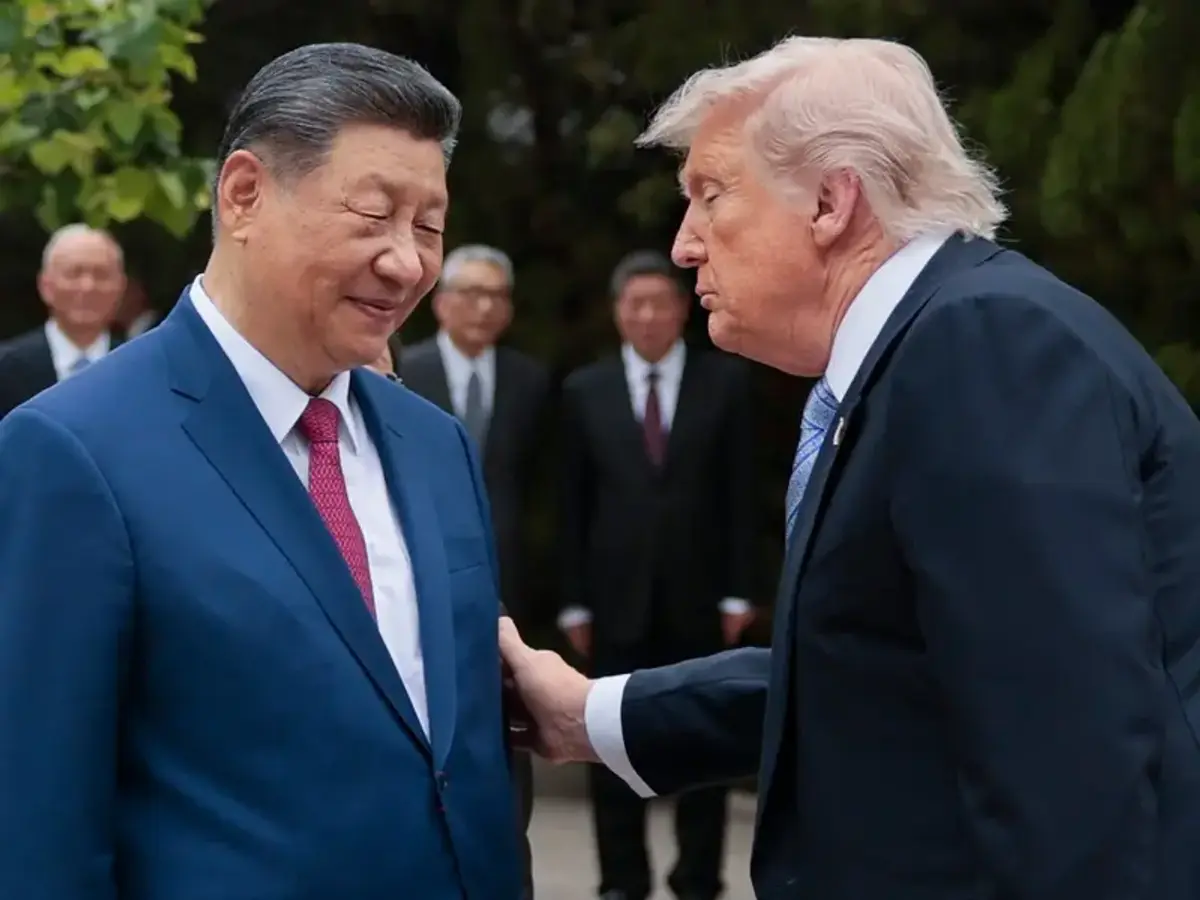
Trump-Xi Washington Summit Centers on Trade, Taiwan and Security

Trump-Xi Summit Faces Trade, Taiwan, Iran and AI Challenges
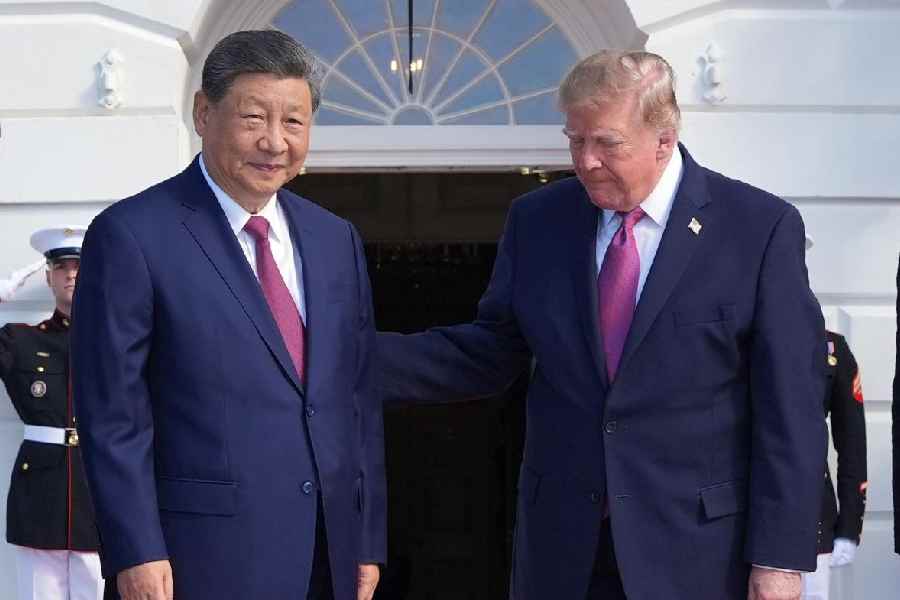
Trump and Xi Put Human-Controlled AI on White House Agenda
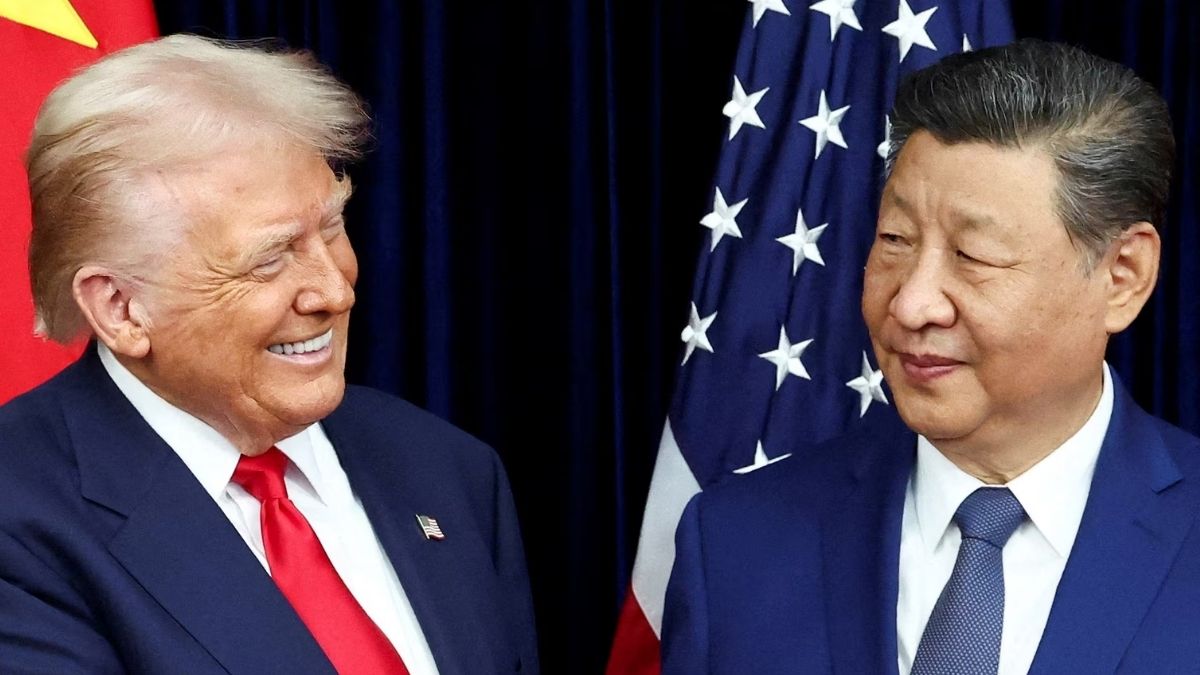
Xi Jinping's US Visit Tests Trade and AI Cooperation
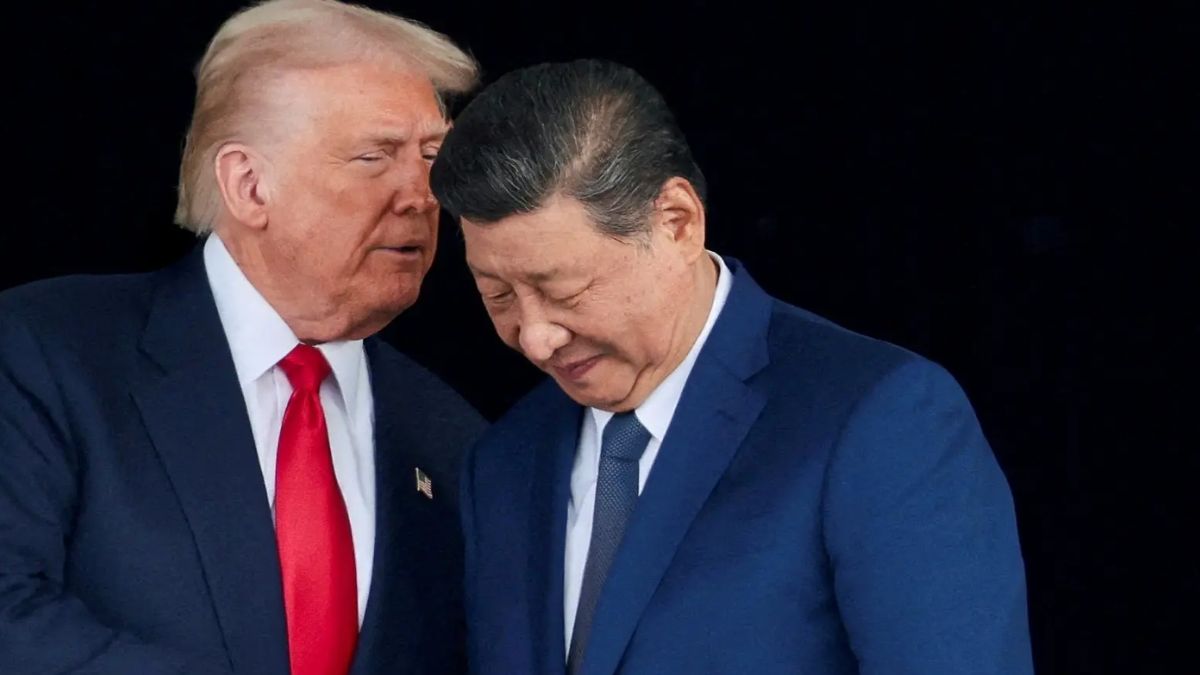
Trump-Xi Summit Tests Taiwan Arms Deal and US-China Stability
India Urged to Build Buffers Beyond Protectionism
US and China Extend Trade Truce Through January
Trump and Xi Resume Talks Amid Uneven Trade Commitments