

1 month ago
Canada-India Agricultural Partnership for Future Food Security
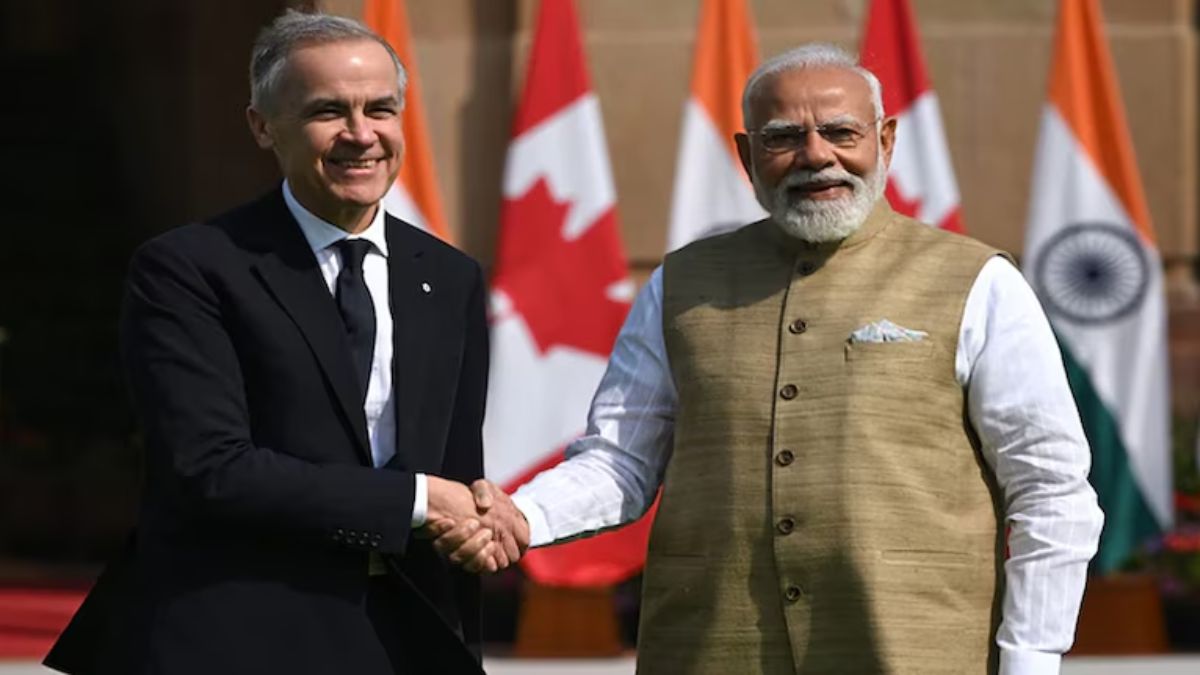
India is a big producer of food like wheat, rice, and milk, but it has problems like losing food after harvest and not having enough good soil and water.
Canada, which is good at farming and making food, can help India by sharing new technologies and ideas.
Together, they can make farming better, reduce waste, and ensure people have enough good food to eat.
They are working on things like better seeds, using less water, and making food processing more efficient.
This partnership can help both countries and make the world's food supply more secure.

India is a leading global producer of wheat, rice, milk, pulses, and spices, with significant agricultural exports.
India faces challenges in cold-chain infrastructure, water stress, and fertiliser application, leading to post-harvest losses and environmental impacts.
Canada offers advanced technologies in precision agriculture, conservation practices, and digital traceability to address these challenges.
The Canada-India Pulse Protein Centre of Excellence aims to support India's nutrition programs through research and development of next-generation food solutions.
Canada and India are collaborating on climate-smart farming, including drought-resistant seed genetics and controlled-environment agriculture, to enhance agricultural resilience.
- Who
- Canada and India
- What
- Collaboration in agriculture and food systems to address challenges and enhance food security.
- Where
- Primarily in India, with contributions from Canada.
- When
- Ongoing, with recent initiatives and future potential.
- Why
- To address agricultural challenges, improve nutrition security, and promote sustainable and innovative farming practices.
India's Agricultural Challenges
Canada's Agricultural Solutions
Infrastructure and Sustainability
India's Agricultural Challenges
India faces significant structural challenges in cold-chain infrastructure, water stress, and fertiliser application, leading to post-harvest losses and environmental impacts.
Canada's Agricultural Solutions
Canada offers advanced technologies in precision agriculture, conservation practices, and digital traceability to address these challenges and improve sustainability.
Nutrition Security
India's Agricultural Challenges
India is transitioning from food security to nutrition security, requiring higher-quality proteins and diversified diets.
Canada's Agricultural Solutions
Canada, as a global leader in pulses and protein innovation, can support India's nutrition programs through research and development of next-generation food solutions.
Climate-Smart Agriculture
India's Agricultural Challenges
India struggles with climate change and extreme weather events affecting agricultural productivity.
Canada's Agricultural Solutions
Canada provides expertise in climate-smart farming, including drought-resistant seed genetics and controlled-environment agriculture, to enhance India's agricultural resilience.
Key facts
- India's Agricultural Output
- World's second-largest producer of wheat, rice, and horticultural products; global leader in milk, pulses, and spices.
- Agricultural Exports
- Nearly $50 billion in agriculture and processed food exports annually.
- Post-Harvest Losses
- Estimated to cost India over $18 billion annually.
- Canada-India Pulse Protein Centre of Excellence
- Co-chaired by the University of Saskatchewan and NIFTEM-Kundli to support India's nutrition programs.
- Potash Production
- Canada is the world's largest producer and exporter of potash, crucial for soil health.
- Precision Agriculture
- Canadian technologies include advanced robotics, AI, and data-driven farming practices to enhance productivity and sustainability.
- Crop-Residue Management
- Canadian seeding technology can eliminate stubble burning and improve yields by 28% in field trials.
- Digital Agriculture
- Canadian capabilities in AI, satellite analytics, and digital traceability can complement India's AgriStack ecosystem.
Sources
Related news

UK and Ukraine Open Battlefield AI Partnership Amid War

Genesis Reveals GV90 Electric SUV With Coach Doors

Gujarat launches DNA-based sports talent hunt for 2030 Commonwealth Games

Andhra Pradesh steps up lithium, gallium exploration in Kadapa basin

Four KIIT Students Win Medals for India at Glasgow Games
CBI Chargesheets 19 More in Haryana’s Rs 504-Crore Scam

Haryana Plans 582 Village Knowledge Centres for Rural Services
UP Minister Visits Ankit Baliyan Family, Promises Strict Action

Congress Questions Haryana’s Falling Sex Ratio Despite Beti Bachao
Haryana Says Ayushman Bharat Health Services Continue Despite IMA Call
