1 hr ago
Delhi Internet Shutdown Raises Questions Over 2024 Rules
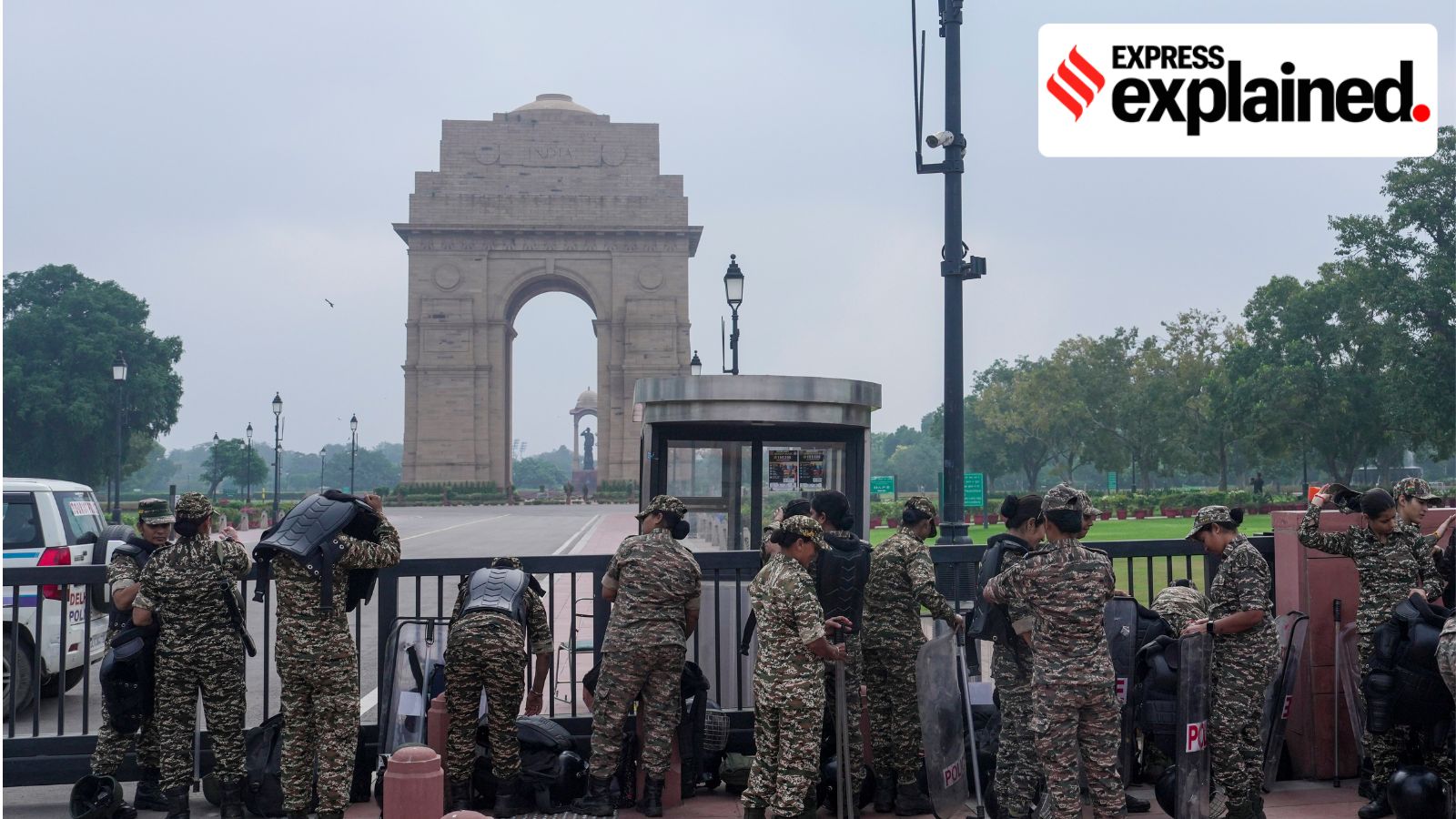
Delhi ordered mobile internet to be turned off in part of the city for one day.
The order was connected to a protest planned at Jantar Mantar.
Rules introduced in 2024 say that officials must publish an internet shutdown order.
The order must explain why the shutdown is needed, where it applies, which services are affected, and how long it will last.
Officials must also consider whether another, less restrictive option could work.
A review committee must examine the order.
The Internet Freedom Foundation said it could not find the order that gives the reasons for this shutdown.
Publishing it helps people understand the decision and challenge it if they believe it is unlawful.

Mobile internet was ordered suspended for 24 hours within four kilometres of the Janpath-Kartavya Path crossing.
The shutdown was linked to a protest at Jantar Mantar called by the Cockroach Janta Party.
Delhi Police’s October 9 communication said the Union Home Secretary authorised the suspension at the police’s request.
The 2024 rules require suspension orders to be published, explain their reasons, define their scope and duration, and be reviewed.
The Internet Freedom Foundation said it could not find the underlying order, which is required to state the reasons for the shutdown.
- Who
- Delhi Police requested the suspension; the Union Home Secretary reportedly authorised it. Mobile service providers were directed to implement it.
- What
- A 24-hour suspension of mobile internet services across technologies.
- Where
- Within a four-kilometre radius of the Janpath-Kartavya Path crossing in central Delhi.
- When
- From 10 pm Friday to 10 pm Saturday; the communication was dated October 9.
- Why
- The suspension was associated with a protest called by the Cockroach Janta Party; the underlying order's reasons were not publicly available according to the Internet Freedom Foundation.
Authorities’ stated action
Transparency and safeguards concerns
Reason and approval
Authorities’ stated action
The police communication said the Union Home Secretary authorised the shutdown after a request from Delhi Police.
Transparency and safeguards concerns
The Internet Freedom Foundation said the underlying order, which must record the reasons, could not be located on government websites.
Scope of restrictions
Authorities’ stated action
The communication specified the affected area, services and 24-hour period.
Transparency and safeguards concerns
The rules require officials to consider whether the objective can be met through other reasonable means before suspending services.
Use of shutdowns
Authorities’ stated action
The rules permit suspensions in a public emergency or in the interest of public safety on specified grounds.
Transparency and safeguards concerns
A parliamentary committee said shutdowns had also been used for routine policing and administrative purposes, and recommended defining “public emergency” and considering selective restrictions.
Key facts
- Suspension period
- 24 hours, from 10 pm Friday to 10 pm Saturday
- Affected area
- Four-kilometre radius of the Janpath-Kartavya Path crossing
- Services affected
- Mobile internet services across all technologies
- Police communication
- Dated October 9 and addressed to Airtel, Vodafone Idea, Reliance Jio and MTNL
- Applicable rules
- Telecommunications (Temporary Suspension of Services) Rules, 2024
- Maximum order duration
- A suspension order must specify a duration not exceeding 15 days
- Review deadline
- The review committee must meet within five days of the order
- Publication concern
- The Internet Freedom Foundation said it could not locate the underlying suspension order on government websites
Quotes

Supreme Court of India
The court that ruled on the constitutional protection of internet-based freedoms in January 2020.
“freedom of speech and expression and the freedom to practice any profession or carry on any trade, business or occupation over the medium of Internet enjoys constitutional protection under Article 19 (1) (a) and Article 19 (1) (g)”
 indianexpress.com
Sources
Related news

Delhi Suspends Mobile Internet Ahead of Jantar Mantar Protest
Tharoor Calls Delhi Curbs on CJP Protest ‘Emer-GenZ’
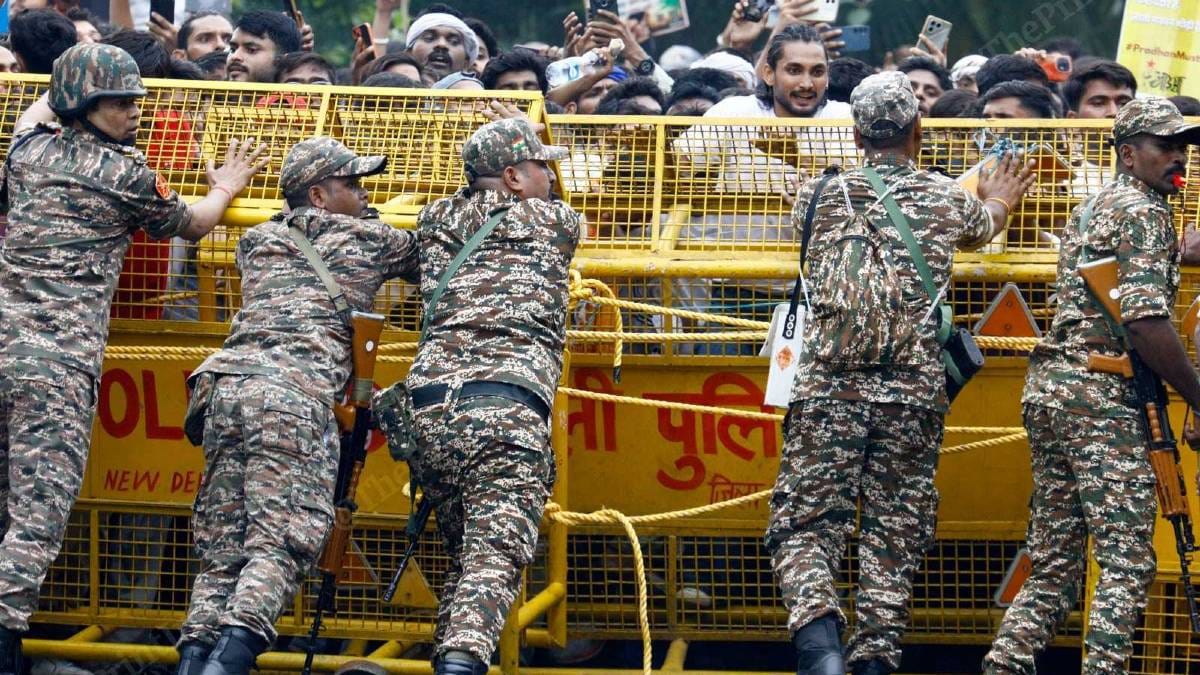
Delhi Police Denies CJP Protest Permission, Seeks Metro Restrictions

Delhi Tightens Security for CJP Protest, Disrupting Travel
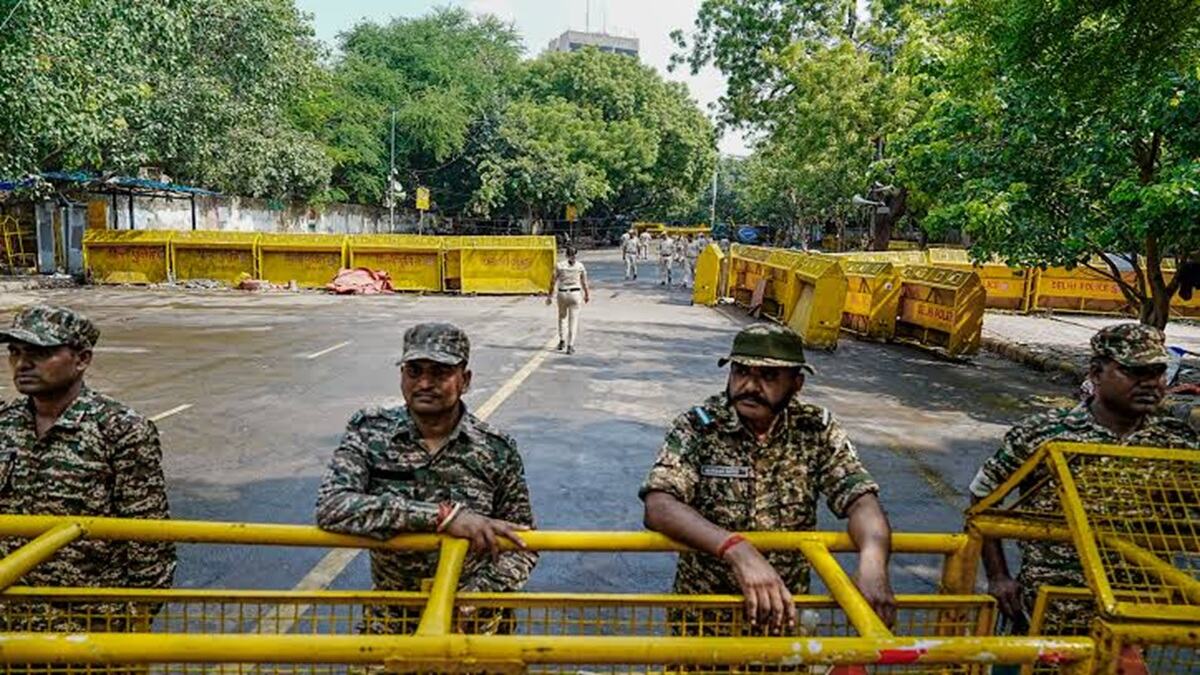
Delhi Protest Denied as Supreme Court Urges Proportionate Transit Restrictions
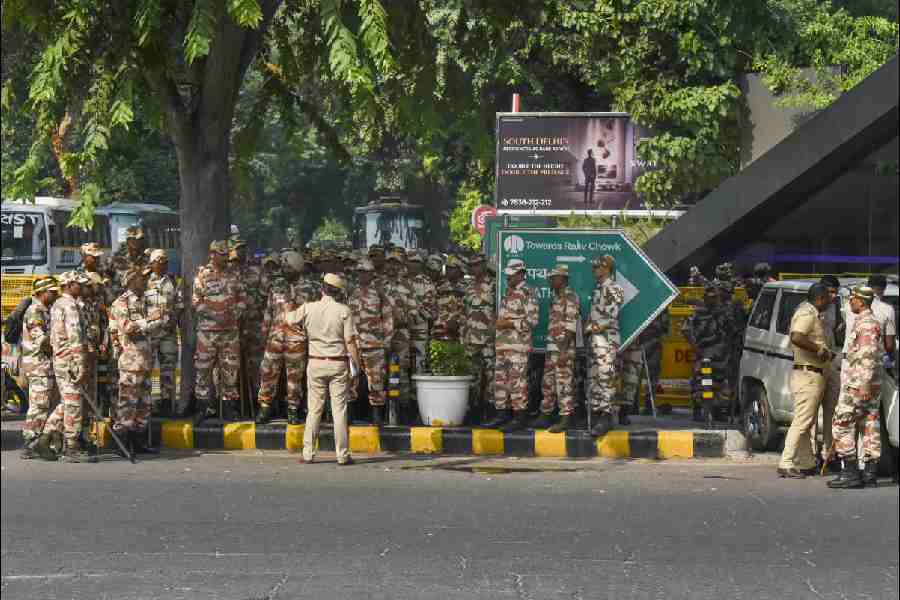
Delhi Denies Protest Permission, Tightens Security Ahead of Demonstration

Musk’s India Corruption Charge Meets Questions About Government Ties

Musk and Rahul Gandhi Unite in Dispute Over Starlink Licence

Musk’s India Security Criticism Draws Charges of Double Standards
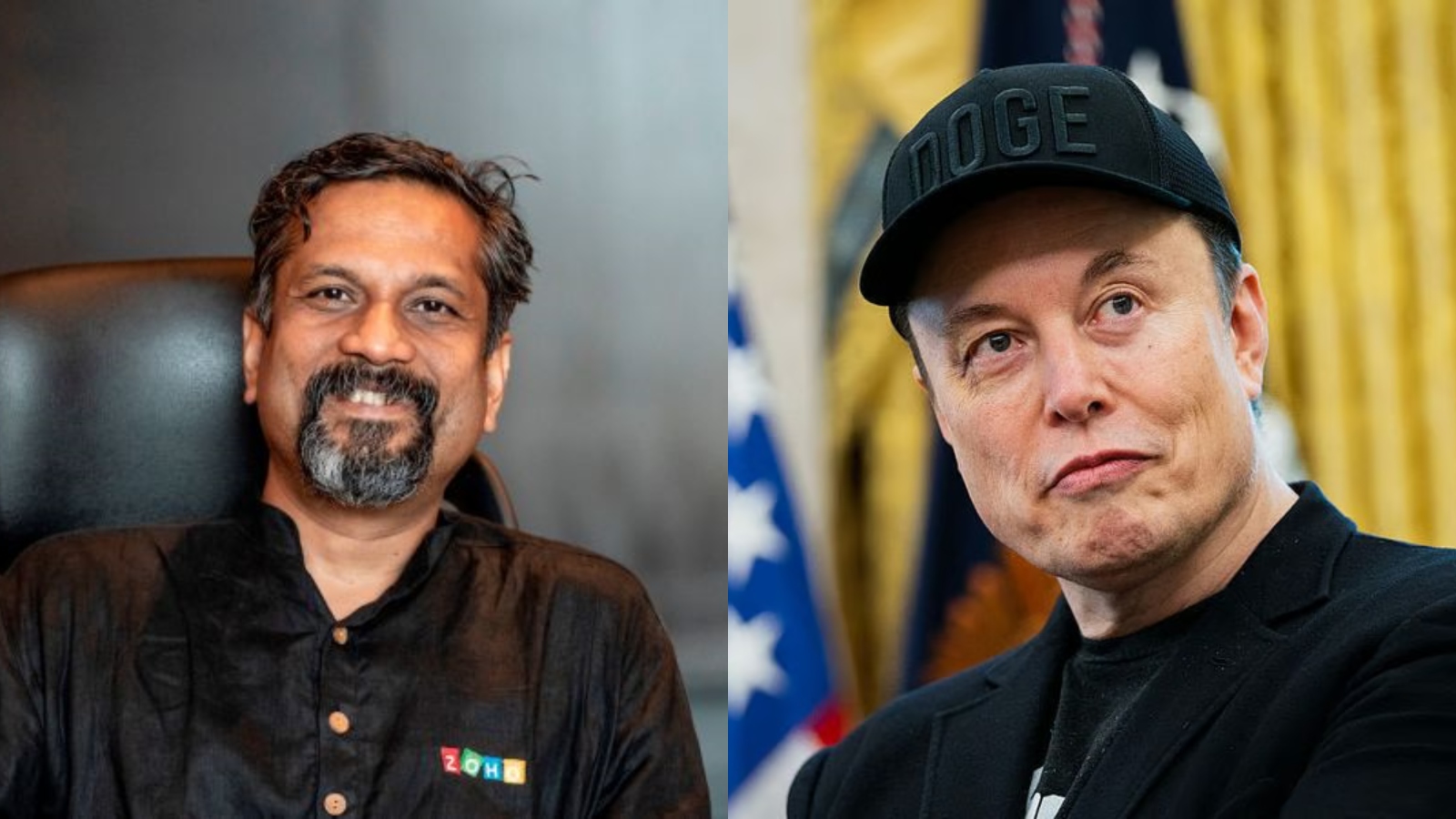
Vembu Defends India’s Competition Record as Musk Challenges Starlink Delay