

1 hr ago
Excessive Fruit Intake Can Hinder Weight Loss, Expert Explains

Fruit is healthy and gives your body important nutrients and fibre.
It can also be a better snack than chips or processed sweets.
But fruit still contains calories and natural sugar.
Eating very large portions can add more calories than your body needs.
This may make losing weight harder or even lead to weight gain.
An expert suggests that many adults aim for two to three servings of whole fruit each day.
Whole fruit is usually better than juice because its fibre helps you feel full.
Eating different foods, including protein and healthy fats, helps keep your diet balanced.

Fruits provide vitamins, minerals, antioxidants, fibre and relatively few calories.
Eating excessive amounts of fruit can increase total calorie intake and contribute to weight gain.
Calorie-dense fruits mentioned include mangoes, bananas, grapes and chikoo.
Replacing processed snacks or desserts with whole fruit can support weight loss.
Most adults may target two to three servings of whole fruit daily, depending on individual needs.
- Who
- Kiran Dalal, Chief Dietitian at Fortis Escorts Hospital Faridabad, provided the dietary guidance.
- What
- The article explains that excessive fruit consumption can contribute to weight gain, while appropriately portioned whole fruit can support weight-loss efforts.
- Where
- The advice is attributed to Fortis Escorts Hospital Faridabad.
- When
- The guidance applies when planning or following a weight-loss diet; no specific date is provided.
- Why
- Large portions of fruit can increase overall calorie intake, despite fruit’s nutritional benefits.
Key facts
- Suggested daily amount
- For most adults, two to three servings of whole fruit daily may be practical, depending on calorie needs, activity level and overall diet.
- Potential benefit
- Replacing high-calorie desserts and processed snacks with whole fruit can reduce overall calorie intake.
- Potential concern
- Eating fruit continuously or in large portions may hinder weight loss.
- Calorie-dense examples
- Mangoes, bananas, grapes and chikoo are identified as calorie-dense fruits.
- Preferred form
- Whole fruit is preferred over juice because its fibre slows digestion and promotes satiety.
- Pairing advice
- Combining fruit with protein or healthy fats may improve fullness and help stabilise blood sugar levels.
- Diet balance
- Relying only on fruit and neglecting other food groups can cause nutrient imbalances.
Quotes
Kiran Dalal
Chief dietitian at Fortis Escorts Hospital Faridabad
“Fruits are an important part of a healthy weight loss diet because they provide vitamins, minerals, antioxidants and dietary fibre, while generally being nutrient-dense and relatively low in energy. However, excessive fruit consumption can contribute to weight gain, just like excessive intake of any calorie-containing food. Fruits contain natural sugars, and eating large quantities, particularly calorie-dense fruits such as mangoes, bananas, grapes and chikoo, can increase overall calorie intake”
 NDTV
NDTV
“For most adults, 2-3 servings of whole fruit daily is a practical target, depending on individual calorie needs, activity level and overall diet. Choose a variety of seasonal fruits, prefer whole fruit over juice, and maintain appropriate portions for sustainable weight management.”
NDTV
Sources
Related news

Which Common Food Rules Are Actually True for Health?
Fitness Coach Ranks Carbs For Fat Loss, Potatoes Top List

Fitness Coach Shares Vegetarian Plan for Four-Week Weight Loss
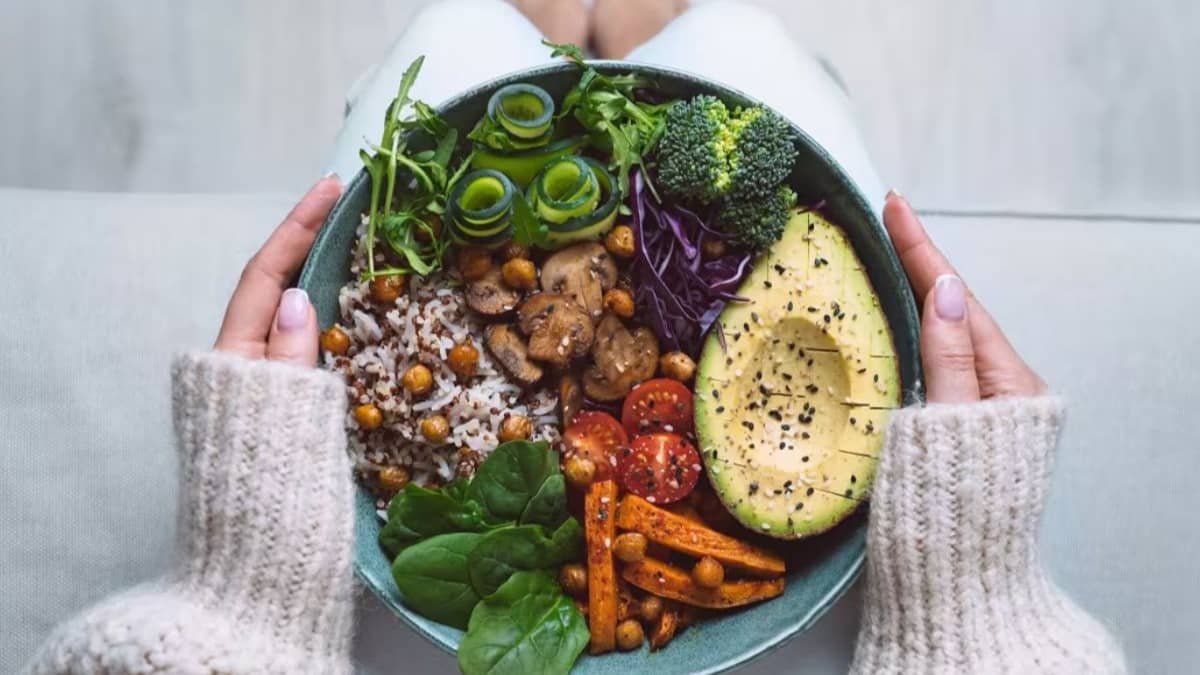
Low-Fat Vegan Diet Linked to Weight Loss Without Calorie Counting

Woman Reveals Protein Rule Behind Losing 32 Kilograms at Home

Suriya Shares Mammootty’s Advice on Portions, Sleep and Fitness

Mumbai Brain-Dead 18-Year-Old Donor Helps Multiple Patients Through Transplants

Hidden Heart Conditions Challenged Diagnoses in Two Young Women

Indian Stocks in Focus as SAIL, Power Grid Announce Moves

GIFT Nifty Falls as Key Stocks Enter Market Focus
