

3 hrs ago
First-Party or Third-Party Bike Insurance: Which Should You Buy?
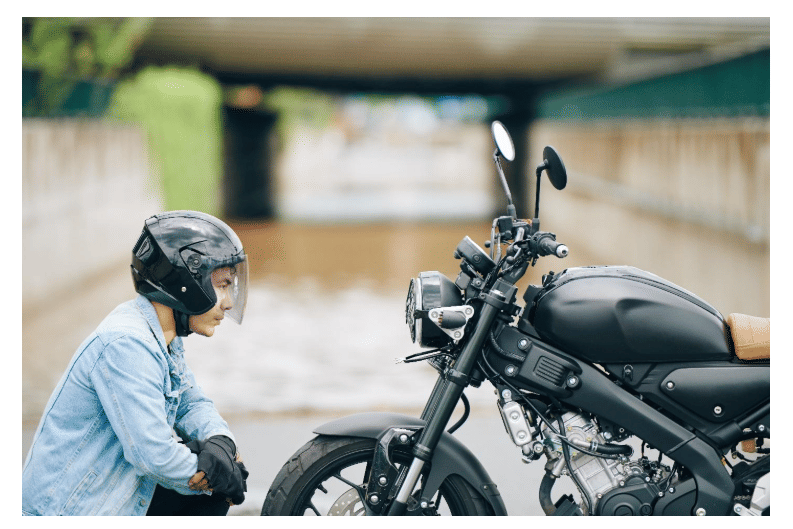
Bike insurance helps pay for certain costs after an accident or other problem.
Third-party insurance pays for injuries, deaths or vehicle damage suffered by someone else because of your bike.
Indian law requires bike owners to have at least this type of insurance.
First-party insurance can also help pay for damage to your own bike.
It may cover accidents, theft, fires, disasters and other listed risks.
First-party insurance usually costs more because it provides broader protection.
The best choice depends on your bike, how you use it, where you ride and your budget.
You should compare coverage, claims support, network garages and optional add-ons before buying online.

Third-party bike insurance is the minimum legal requirement for bike owners under the Motor Vehicles Act, 1988.
First-party insurance covers damage to the insured bike from accidents, disasters, theft, fire, explosions and total loss.
Third-party insurance covers injury, death or vehicle damage caused to another person in an accident involving the insured bike.
First-party premiums depend on factors including the bike’s market value, make, model and location, while third-party rates are fixed by the IRDAI.
TATA AIG offers third-party, own-damage and comprehensive bike insurance, along with add-ons, network garages and 24/7 claim support.
- Who
- Bike owners choosing between first-party and third-party insurance; insurers and affected third parties are also involved in claims.
- What
- An explainer comparing the coverage, costs, exclusions and claim processes of first-party and third-party bike insurance.
- Where
- India, under the legal framework described in the article.
- When
- Before purchasing or renewing bike insurance online.
- Why
- To help bike owners meet legal requirements and choose protection suited to their coverage needs and budget.
First-Party Coverage
Third-Party Coverage
Protection provided
First-Party Coverage
Protects the policyholder’s own bike against listed risks such as accidents, theft, disasters, fire, explosions and total loss.
Third-Party Coverage
Protects third parties against vehicle damage, bodily injury or death caused by the insured bike.
Cost and suitability
First-Party Coverage
May suit riders seeking financial help with their own bike’s accidental damage, theft and repair costs, although the premium is based on factors such as market value and location.
Third-Party Coverage
May suit riders seeking lower-cost cover that satisfies the mandatory legal requirement.
Claims and enhancements
First-Party Coverage
The policyholder deals directly with the insurer and can add optional covers to enhance protection.
Third-Party Coverage
Affected third parties file claims against the insured vehicle, and the article states that add-ons are not available under this cover.
Key facts
- Legal requirement
- Third-party bike insurance is the minimum legal requirement under the Motor Vehicles Act, 1988.
- First-party coverage
- It can cover the insured bike against accidents, natural and man-made disasters, theft, total loss, fire and explosions.
- Third-party coverage
- It covers third-party vehicle damage, bodily injury and death caused by the insured bike.
- Premium basis
- First-party premiums depend on the bike’s approximate market value, make, model and location; third-party premiums use standard IRDAI rates.
- First-party claims
- The policyholder raises claims directly with the insurer, which settles the claim.
- Third-party claims
- Affected third parties file claims against the insured vehicle, with claims settled by the Motor Accident Claims Tribunal Court.
- TATA AIG options
- TATA AIG offers third-party, own-damage and comprehensive bike insurance, plus add-ons, network garages and 24/7 claim support.
Sources
Related news

Third-Party and Comprehensive Bike Insurance: Key Differences Explained
Bike Insurance Guide Covers Policies, Add-Ons, Renewals And Protection

How India’s Comprehensive Car Insurance Premium Is Determined
CarInsuRent Versus Rental Counter Insurance: Costs and Coverage
Mumbai Tribunal Orders Tata AIG to Pay Injured BMC Worker

Supreme Court Settles Confusion Over Comprehensive Motor Insurance

Where to Buy Genuine Moiz Products Online in India
Goldman Sachs Participates in Lord’s Mark Share Transactions
Understanding Credit Scores, Reports, Checks, and Responsible Credit Management

Seven Online IPMAT Coaching Options Compared for India 2027
