

5 days ago
Best Practices for Filing Health Insurance Claims in India

Health insurance helps pay some of the costs of medical treatment.
Before an emergency, learn what your policy covers and what it excludes.
Cashless treatment lets the insurer pay eligible costs directly to a network hospital.
With reimbursement, you pay first and ask the insurer to repay eligible costs later.
Some policies require you to pay part of every claim through co-payment.
Keep all medical papers and bills safe because the insurer may need them.
Check room limits, waiting periods and items that are not covered.
Tell the insurer quickly about planned or emergency hospitalisation and review the final bill before leaving.

Understand your policy’s coverage, exclusions, waiting periods, limits and co-payment obligations before hospitalisation.
Use cashless treatment at a network hospital where possible, or choose reimbursement when cashless approval is unavailable.
Submit medical records, proposed treatment details and estimated costs for cashless pre-authorisation before treatment when possible.
Keep prescriptions, consultation notes, diagnostic reports, bills, claim forms and discharge documents organised.
Notify the insurer or third-party administrator promptly, review bills before discharge and verify all claim forms yourself.
- Who
- Health insurance policyholders and their insurers or third-party administrators.
- What
- The article outlines best practices for filing cashless and reimbursement health insurance claims.
- Where
- India.
- When
- Before buying or renewing a policy, and during planned or emergency hospitalisation; the article was published on September 20, 2026.
- Why
- To reduce claim-processing delays, avoid unexpected out-of-pocket expenses and improve understanding of policy coverage.
Key facts
- Claim routes
- Cashless claims are settled directly with eligible network hospitals; reimbursement claims require the policyholder to pay first and claim later.
- Co-payment example
- With a 20% co-payment on an admissible claim of ₹1 lakh, the policyholder pays ₹20,000 and the insurer pays ₹80,000.
- Pre-authorisation
- For cashless treatment, provide medical records, proposed treatment details and estimated costs before the procedure where possible.
- Important limits
- Room-rent limits, waiting periods, disease-specific caps and exclusions can reduce the amount payable.
- Non-medical expenses
- Registration charges, admission kits, personal convenience items and certain consumables may not be covered.
- Documents
- Keep prescriptions, consultation notes, diagnostic reports, bills, claim forms, discharge summaries and other treatment records organised.
- Notification
- Notify the insurer or third-party administrator promptly for planned hospitalisation and within the prescribed timeline for emergencies.
Sources
Related news
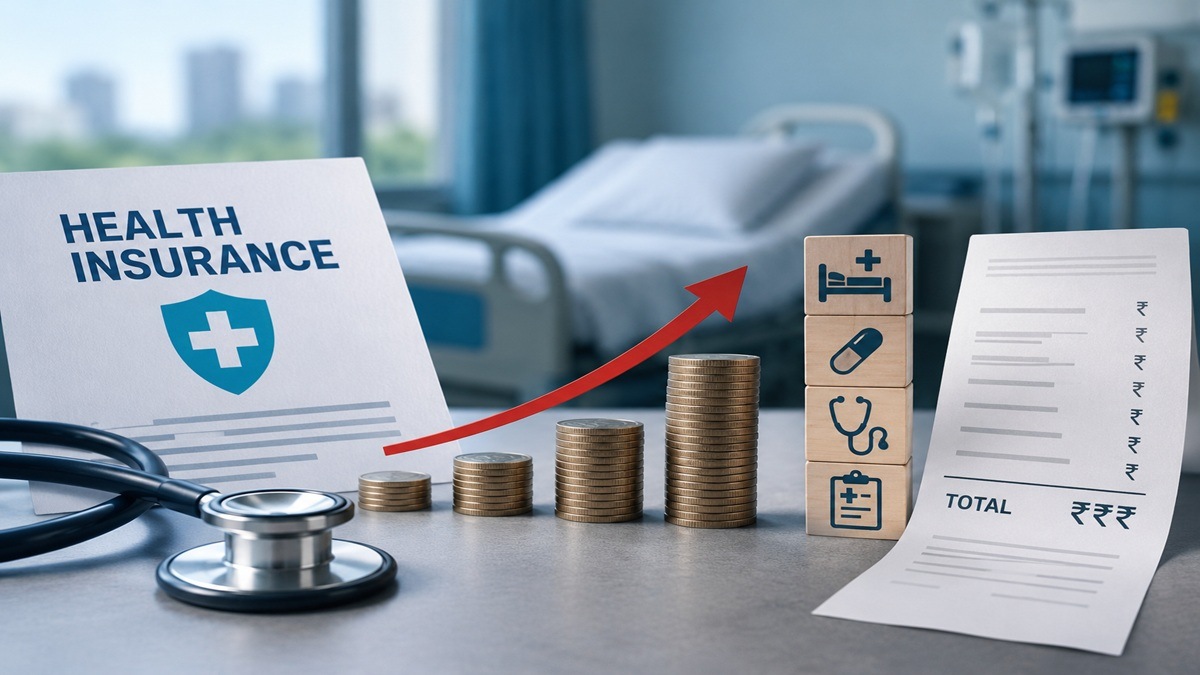
Cashless Health Insurance Still Leaves Policyholders With Out-of-Pocket Costs

Seven Health Insurance Factors to Check Before Buying in 2026

How Two Health Policies Can Cover One Hospital Bill

Five Health Insurance Features That Determine Real Hospital Coverage
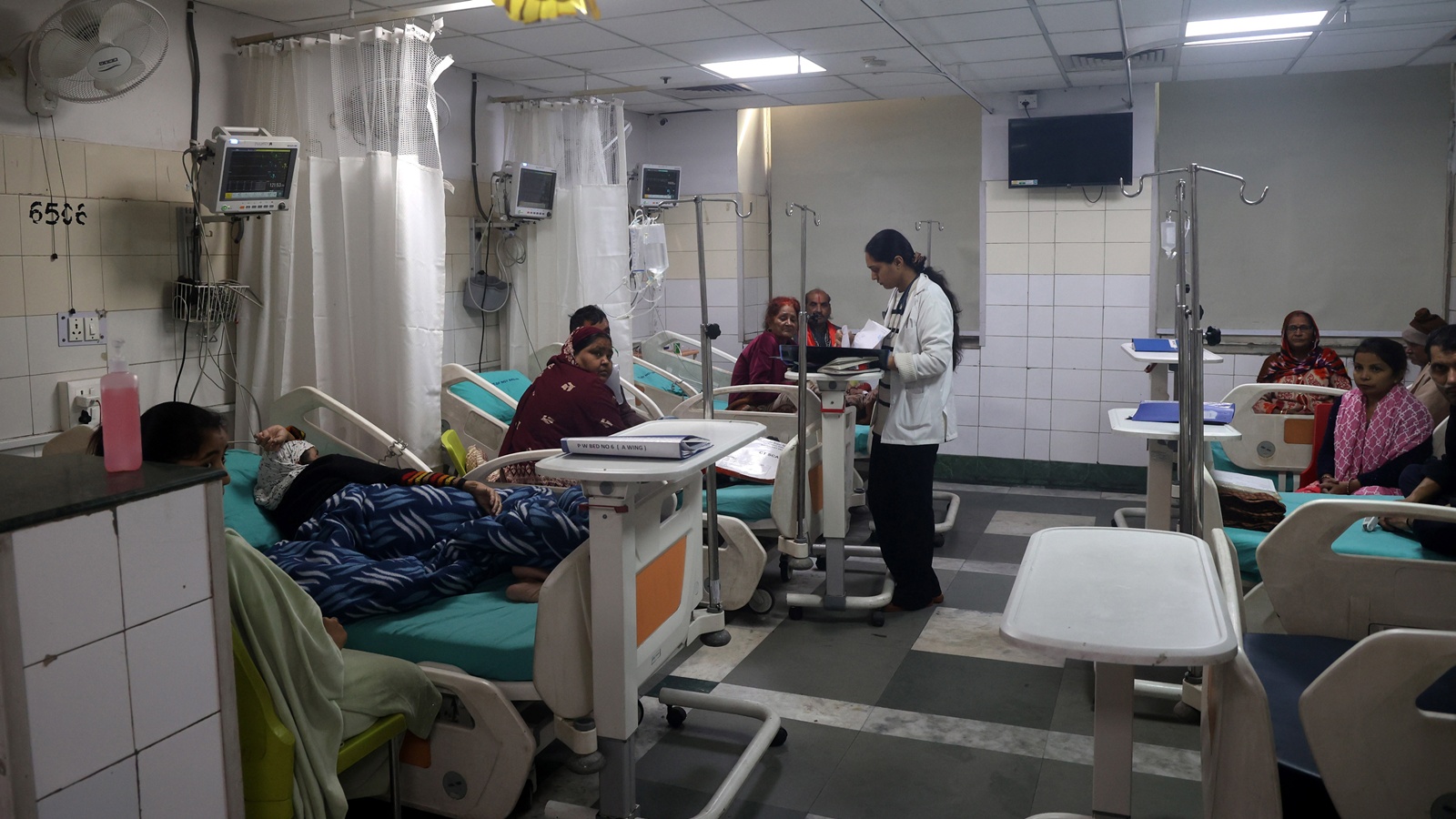
How to Check Hospital Bills for Hidden or Incorrect Charges

Mumbai Forum Orders Insurer To Pay Rejected Pancreatitis Claim

Force Motors Advances Electric Ambulances Under PM E-DRIVE Scheme

Suryakumar Yadav Collects Restored, Modified First Toyota Fortuner
Sitharaman Defends UPI MDR as Opposition Challenges Payment Decision
Education Minister Urges Students to Innovate for World

FAA to Audit India’s DGCA Against International Safety Standards
