1 hr ago
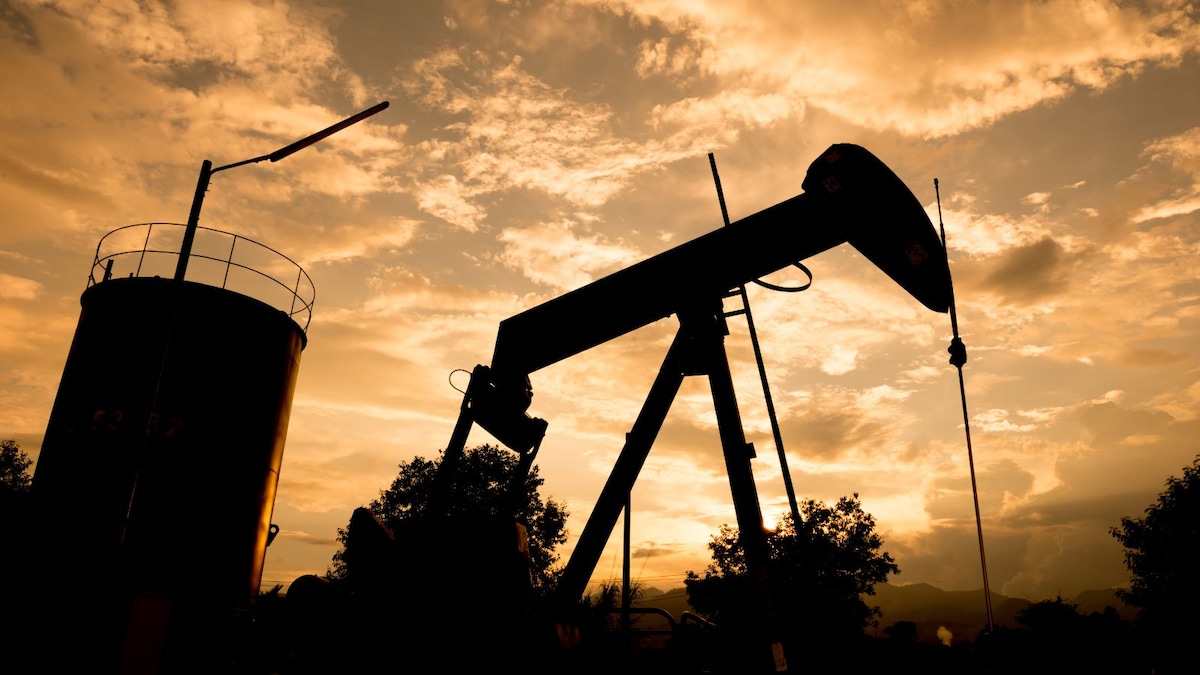
Saudi Arabia’s Crude Output Hits 30-Year Low as Rivals Rise

Saudi Arabia produces a lot of the world’s oil.
After the US-Iran conflict began in February 2026, attacks disrupted some Saudi oil facilities.
Saudi oil production fell to its lowest level since 1990.
An important pipeline was shut down after attacks on September 10.
Saudi Arabia also reduced some oil supplies to customers in India and Europe.
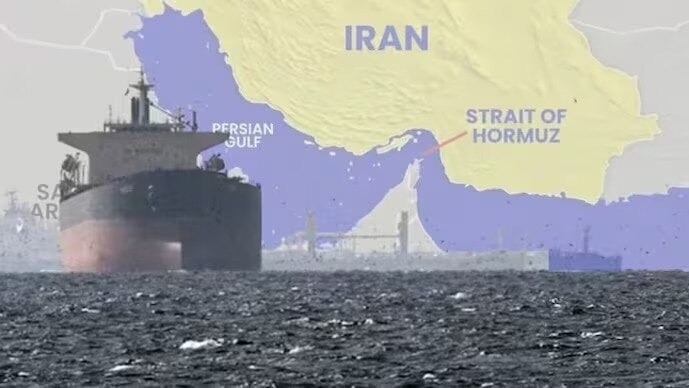
Oil shipments through the Strait of Hormuz became much smaller than before the conflict.
Other countries, including the United States and Brazil, produced more oil to help replace some missing supply.
Oil companies also used different export routes and drew on stored oil.
These steps helped make the actual global shortage smaller than the drop in Gulf exports.

Saudi Arabia’s crude production fell from about 10.1 million barrels per day to 6.24 million in August 2026.
The decline followed attacks on Saudi energy infrastructure, including the East-West Pipeline on September 10.
Saudi Aramco reportedly halted supplies to some Indian refiners and reduced allocations to several European customers.
Non-Gulf producers increased output by 2.3 million barrels per day after the conflict began, led by the United States and Brazil.
Despite sharply lower Gulf exports, alternative routes, added non-Gulf production and inventory drawdowns limited the global supply deficit.
- Who
- Saudi Arabia, Gulf oil producers and non-Gulf producers including the United States, Brazil, Kazakhstan, Venezuela and Nigeria.
- What
- Saudi crude production fell sharply while non-Gulf producers increased output to offset part of the disruption.
- Where
- The disruptions affected Saudi Arabia, the East-West Pipeline in the Riyadh and Madinah regions, the Strait of Hormuz and global oil markets.
- When
- Production declined after the conflict began in February 2026; Saudi output reached 6.24 million barrels per day in August, and pipeline attacks were reported on September 10, 2026.
- Why
- Attacks on Saudi energy infrastructure and wider difficulties moving oil through the Strait of Hormuz constrained Gulf production and exports.
Key facts
- Saudi output before conflict
- About 10.1 million barrels per day from November 2025 through February 2026
- Saudi output in August 2026
- 6.24 million barrels per day
- Production decline
- 3.86 million barrels per day from pre-conflict levels
- Non-Gulf production increase
- 2.3 million barrels per day since February 2026
- Strait of Hormuz flows
- 7.6 million barrels per day in August, about 13.1 million below pre-conflict levels
- Estimated global deficit
- 2.2 million barrels per day in the second quarter and 1.7 million in the third quarter of 2026
- East-West Pipeline
- Shut down as a precaution after multiple attacks on September 10, 2026
Quotes

Official source at the Saudi Ministry of Energy
An official source whose statement about the pipeline attacks was reported by the Saudi Press Agency
“An official source at the Ministry of Energy stated that the East-West Pipeline in the Riyadh and Madinah regions was subjected to multiple attacks on the morning of Thursday, September 10, 2026. The pipeline was shut down as a precautionary measure.”
 NDTV
NDTV
Sources
Related news
Saudi Pipeline Shutdown Threatens Global Oil Exports and Supplies

Saudi Pipeline Attack Pushes Oil Prices Higher Amid Regional Tensions

Brent Crude Surges Above $105 Amid Middle East Supply Fears

Saudi Arabia Shuts East-West Pipeline After Attack Amid Houthi Fighting

Saudi Arabia Suspends East-West Oil Pipeline After Iraq-Linked Drone Attacks

Saudi East-West Pipeline Closure Threatens Global Oil Supplies and Prices
West Asia Crisis Prompts Calls for India Energy Diversification

Gold Gains Over 1% As Oil Cools, Fed Stays Hawkish
Why Global Energy Has Withstood the Strait of Hormuz Disruption

Saudi Arabia Issues Rare Air-Raid Alerts Over Riyadh