6 days ago
Indian Comedians Face Legal Battles Over Humor’s Boundaries
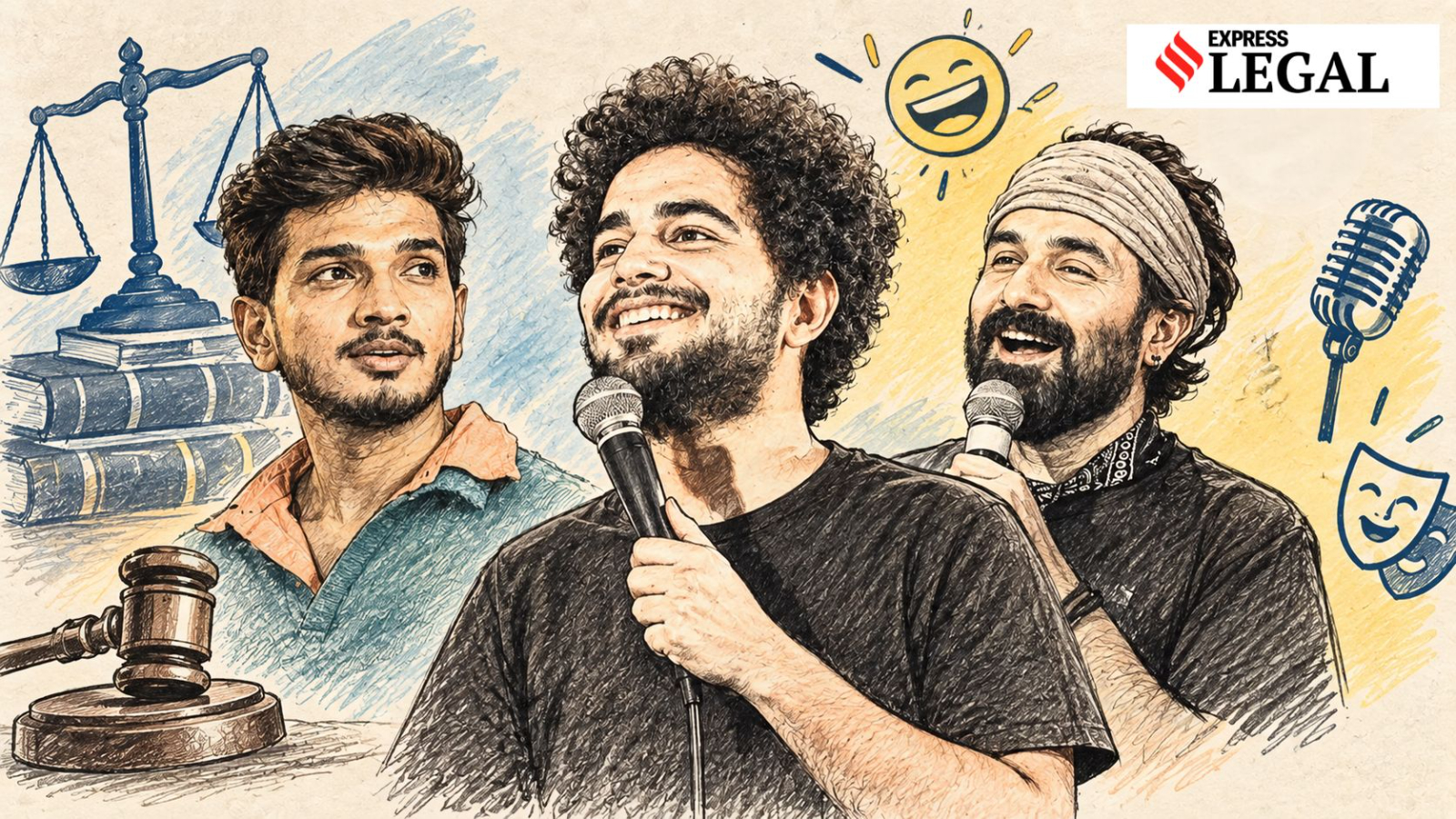
Stand-up comedians often use jokes to point out problems in society.
Sometimes people believe a joke is insulting, obscene or harmful.
They can then complain to the police or file a court case.
Indian law protects free speech, but that protection has limits.
The law also uses words such as obscenity and defamation that can be difficult to define exactly.
Judges look at the whole situation, the audience and what the comedian intended.
The Supreme Court recently closed cases against Samay Raina and others after they agreed to raise money for people with disabilities.
Lawyers say even a case that ends successfully can cause harm because arrests and hearings take time and money.
This has created a debate about protecting people from harmful speech while allowing comedy to criticize society.

The Supreme Court on August 14 quashed FIRs against Samay Raina and four others over remarks concerning persons with disabilities on India’s Got Latent.
Recent cases involving Munawar Faruqui, Vir Das, Samay Raina and Pranit More have raised questions about when comedy becomes criminal.
Indian law restricts obscenity, defamation and speech that may affect public order, but the relevant terms do not have single, strict definitions.
Courts assess comedy using context, precedent and tests including contemporary community standards, deliberate intent and the effect on a reasonable person.
Lawyers warn that arrests and investigations can punish comedians through the legal process even when cases ultimately fail or end in acquittal.
- Who
- Stand-up comedians including Samay Raina, Munawar Faruqui, Vir Das and Pranit More, along with complainants, lawyers and Indian courts.
- What
- A series of legal disputes has raised questions about obscenity, defamation, religious sentiment, disability-related remarks and the limits of comedy and free speech.
- Where
- India, including proceedings before the Supreme Court, the Delhi High Court and courts in Indore and Uttar Pradesh.
- When
- The disputes discussed largely occurred over the past five years; the Supreme Court quashed the FIRs against Samay Raina and others on August 14, while the Vir Das case was filed in 2020 and Munawar Faruqui was arrested on January 1, 2021.
- Why
- Comedians’ remarks were alleged to be objectionable, obscene, defamatory, religiously offensive or demeaning, while lawyers argued that unclear legal boundaries can chill protected speech.
Speech Protection
Content Regulation
Unclear criminal boundaries
Speech Protection
Lawyers Saurabh Kirpal and Ameet Datta argue that undefined terms and arrests can create a chilling effect, making the legal process itself a punishment even when a defendant is later acquitted.
Content Regulation
Senior Advocate Aparajita Singh argues that obscenity, morality and defamation are context-specific and that existing legal definitions, precedent and trained judges can be used to decide cases.
Comedy and social criticism
Speech Protection
The Delhi High Court said audiences generally understand that stand-up jokes are exaggerated rather than statements of truth, and that satire can expose social shortcomings.
Content Regulation
Complainants in cases involving disability-related remarks, religious sentiments and lawyers argued that certain content can demean people, lower reputations or cause legally relevant harm.
Online content oversight
Speech Protection
The Supreme Court said broader questions about regulating speech on internet-based social media remain to be considered, while lawyers warned that online circulation can expand the consequences of a joke.
Content Regulation
The NGO involved in the Samay Raina case sought stronger regulation of social-media content and guidelines for disabled persons, comparable to guidelines existing for cinema.
Key facts
- Central legal issue
- Where to draw the line between humour and criminality, particularly for obscenity, immorality, defamation and religious sentiment.
- Samay Raina case
- The Supreme Court quashed all FIRs against Raina and four others over remarks concerning persons with disabilities on India’s Got Latent.
- Fundraising
- Raina and other comedians raised Rs 12.55 lakh through events and were willing to donate it to an NGO benefiting persons with disabilities.
- Munawar Faruqui case
- Faruqui was arrested in Indore on January 1, 2021, after a complaint alleging objectionable remarks about Hindu deities and hurt religious sentiments.
- Vir Das case
- The Delhi High Court dismissed a 2020 defamation case seeking to stop Netflix from streaming an episode of Hasmukh over remarks about lawyers.
- Applicable speech protection
- Article 19(1)(a) protects freedom of speech, while Article 19(2) permits reasonable restrictions involving public order, decency, morality and defamation.
- Court standards
- Courts use precedent, context, the Contemporary Community Standards Test and assessments of intent, public disorder and the reasonable person.
Quotes

The Supreme Court
India’s highest court addressing the legal meaning of obscenity
“It is not the case itself, but the process being the punishment. It leads to a chilling effect from a broader perspective on other speech which might be critical, which might be on the border of acceptance but then is affected because nobody then wants to take a chance and get their head in a noose because the process is the punishment.”
 indianexpress.com
“Words which are merely vulgar or abusive may evoke a feeling of disgust, revulsion or shock, but that by itself does not make them obscene in law. It is for this reason that this Court, through various judicial pronouncements, has held that the use of abusive, vulgar or profane language does not necessarily constitute obscenity.”
indianexpress.com
Sources
Related news
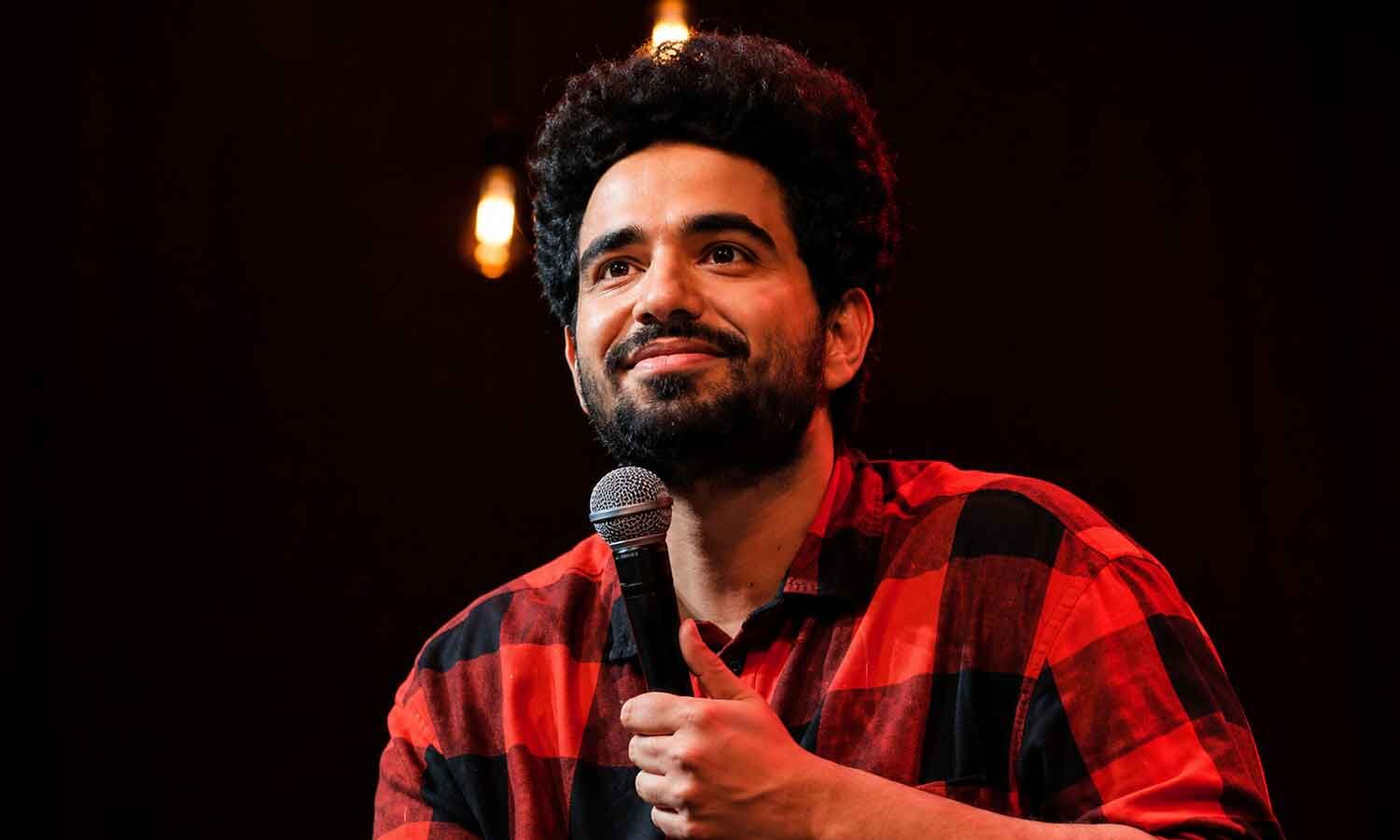
Samay Raina Faces Fresh Backlash Over Bihar-Kashmir Jokes
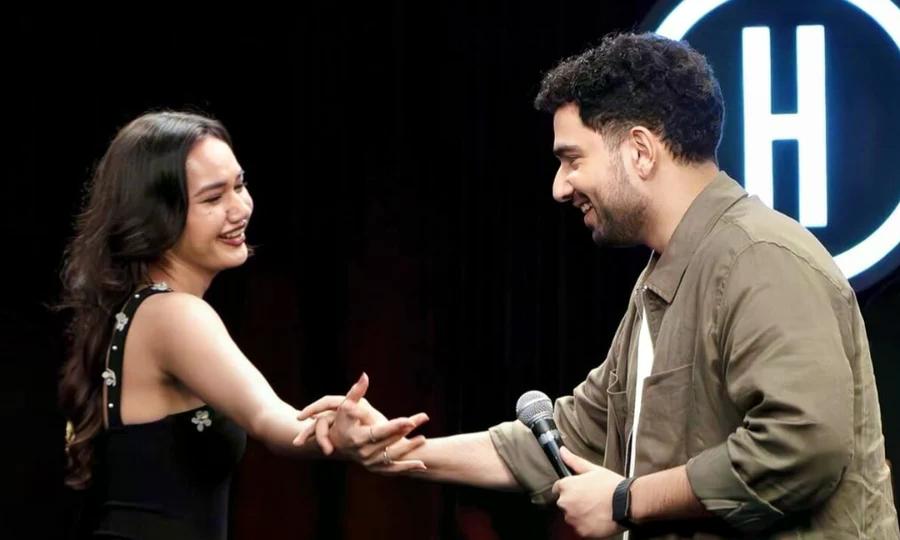
Samay Raina, Sharon Verma Face Backlash Over Bihar, Kashmir Jokes
Samay Raina Faces Backlash Over Bihari, Kashmiri Jokes
Karnataka High Court Questions Whitefield Police Custody Over Kamra Show
Samay Raina Reacts After Fan Kisses His Pillow Photos
Manoj Bajpayee Responds to Samay Raina's Bihari-Kashmiri Joke Controversy
Justice Dhulia Calls for Independent Institutions and Stronger Civil Liberties
Bhupendra Patel Targets Rahul Gandhi Over SIR Dispute
Rajasthan High Court Says Breakup Alone Is Not Abetment
Uttam Kumar Reddy backs Rahul Gandhi for prime minister
Citizens Seek Supreme Court Stay on Electoral Roll Revision