3 hrs ago
Rajasthan High Court Says Breakup Alone Is Not Abetment

The Rajasthan High Court considered a case involving a woman who died by suicide after a relationship ended.
The accused man had reportedly blocked her phone numbers and was associated with another woman.
Before her death, she made videos blaming him.
The court said that a breakup or blocked calls do not automatically mean someone legally encouraged a suicide.
Prosecutors must show a clear act of provoking, helping or intentionally encouraging the person.
The court also said emotional pain is not by itself a criminal offence.
It did not decide whether the man was ultimately guilty.
However, it found that keeping him in jail during the trial was not sufficiently justified and granted bail.

The Rajasthan High Court said ending a relationship and blocking calls do not automatically amount to abetment of suicide.
Justice Farjand Ali issued the September 25 judgment while hearing a bail petition by a 37-year-old Jaipur man.
The deceased had recorded videos naming the accused and holding him responsible for her actions before her death.
The court said abetment requires a positive, active and proximate act of instigation or intentional aid, along with criminal intent.
The accused was granted bail on a personal bond of Rs 50,000 and two sureties of Rs 25,000 each.
- Who
- A 37-year-old Jaipur man accused in a suicide case, the deceased woman, and the Rajasthan High Court bench led by Justice Farjand Ali.
- What
- The court ruled that ending a relationship and blocking phone calls do not by themselves establish abetment of suicide, and granted the accused bail.
- Where
- The case was heard by the Rajasthan High Court, and the accused was lodged at Jaipur Central Jail.
- When
- The judgment was issued on September 25; the woman recorded videos shortly before her death.
- Why
- The court found that the investigation materials did not clearly show a contemporaneous act in which the accused intentionally provoked, incited or aided the woman to die by suicide.
Defense and Court’s Legal Standard
Allegations Against the Accused
Whether the conduct constituted abetment
Defense and Court’s Legal Standard
The defense argued that no case was made out and that the man was accused on the basis of conjectures and surmises. The court said abetment requires a positive, active and proximate act of instigation or intentional aid, with the required criminal intent.
Allegations Against the Accused
The deceased had recorded several videos naming the man and holding him responsible for her actions. The case alleged that she was distressed after the relationship ended, communication ceased, and the accused associated with another woman.
Meaning of emotional distress
Defense and Court’s Legal Standard
The court said rejection, separation, jealousy and relationship endings can cause intense distress, but emotional suffering alone is not a criminal offence and must be distinguished from statutory abetment.
Allegations Against the Accused
The circumstances described in the case indicated that the deceased felt rejected and abandoned and could not reconcile herself to the end of the relationship, according to the court’s description of the material.
Need for continued detention
Defense and Court’s Legal Standard
The court found no sufficiently established prima facie case warranting continued incarceration at the bail stage and granted bail without making a final determination on the prosecution’s case.
Allegations Against the Accused
The prosecution case remained pending for trial, where the truthfulness, admissibility and evidentiary value of the allegations will ultimately be assessed.
Key facts
- Court
- Rajasthan High Court
- Judge
- Justice Farjand Ali
- Relevant law
- Section 108 of the Bharatiya Nyaya Sanhita
- Accused
- A 37-year-old man from Jaipur
- Bail bond
- Personal bond of Rs 50,000
- Sureties
- Two sureties of Rs 25,000 each
- Case status
- The court said the trial may take considerable time to conclude
Quotes
Justice Farjand Ali
Rajasthan High Court judge who delivered the bail ruling
“In the present case, it is also relevant that the material collected during investigation does not, at this stage, disclose with sufficient clarity any particular contemporaneous act of the accused immediately preceding the occurrence whereby he expressly or otherwise intentionally provoked, incited or aided the deceased to commit suicide.”
 indianexpress.com
“The mere fact that a person has committed suicide, and that the accused was in some manner connected with the deceased or that the deceased had grievances against him, does not, by itself, complete the juridical ingredients of abetment.”
indianexpress.com
Sources
Related news

Bombay High Court Sends Gautam Khandjua Suicide Case To Trial

Gurugram Man’s Wife, In-Laws Booked Over Alleged Suicide Abetment

Bombay High Court Quashes FIR in Failed Relationship Case
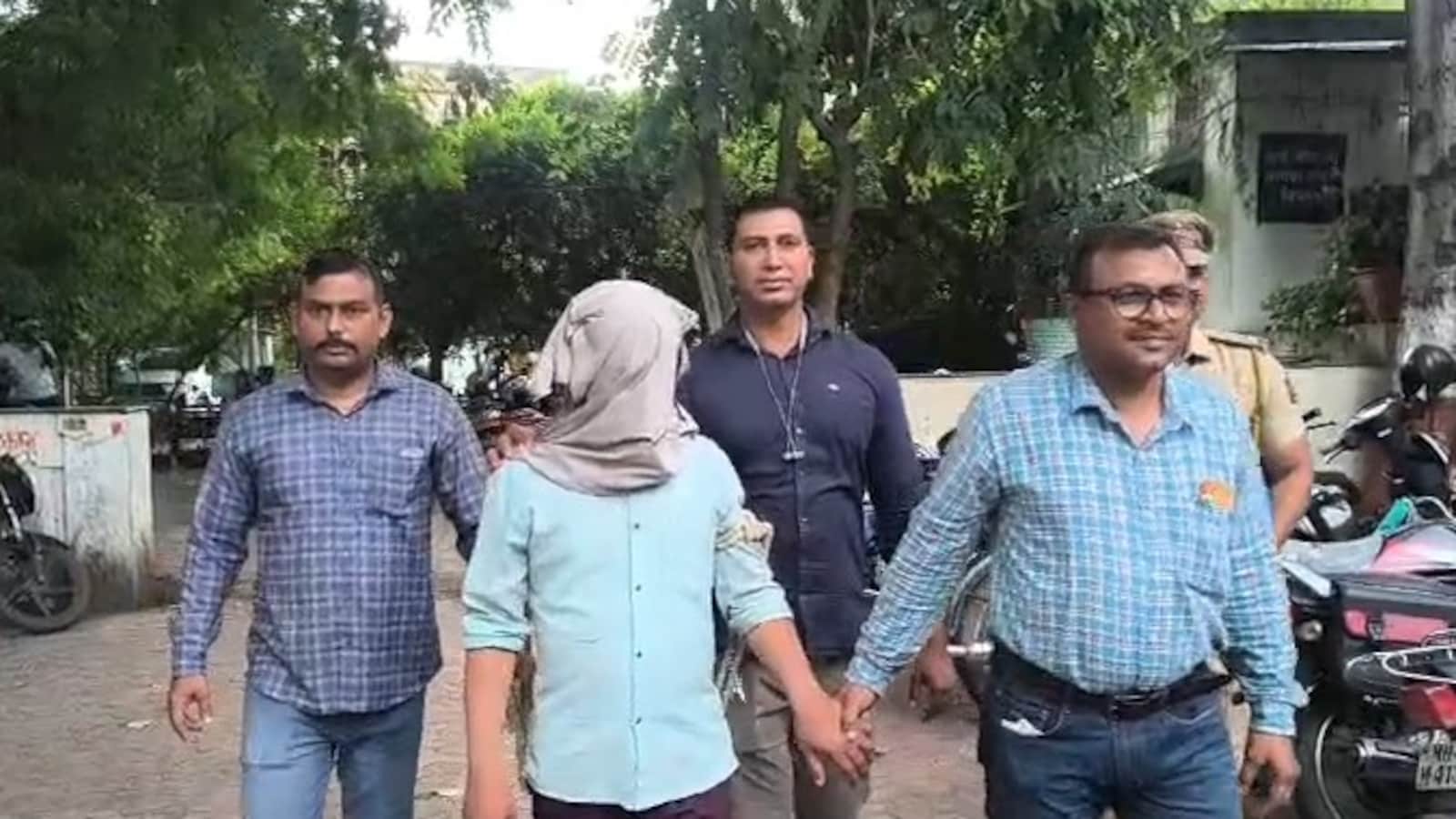
Nagpur Woman Dies by Suicide During Boyfriend’s Video Call
Jaipur Man Dies After Alleged Blackmail Over Extramarital Relationship

Woman and father arrested after father-in-law's alleged suicide
Justice Dhulia Calls for Independent Institutions and Stronger Civil Liberties
Bhupendra Patel Targets Rahul Gandhi Over SIR Dispute

Uttam Kumar Reddy backs Rahul Gandhi for prime minister

Citizens Seek Supreme Court Stay on Electoral Roll Revision