5 days ago
Mansarovar Yatra Faces Perils From Roads, Weather And Delays
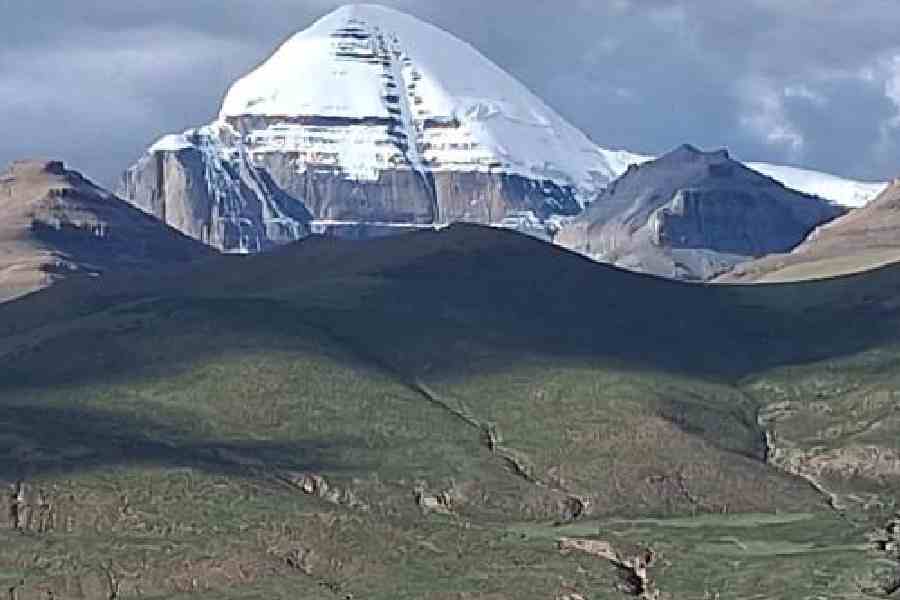
The Mansarovar pilgrimage is a long journey with several difficult parts.
Travelers may have to use poor roads, small planes, helicopters and border crossings.
Bad weather can stop flights and leave people waiting for days.
Visas and permits from Nepal and China can also be delayed.
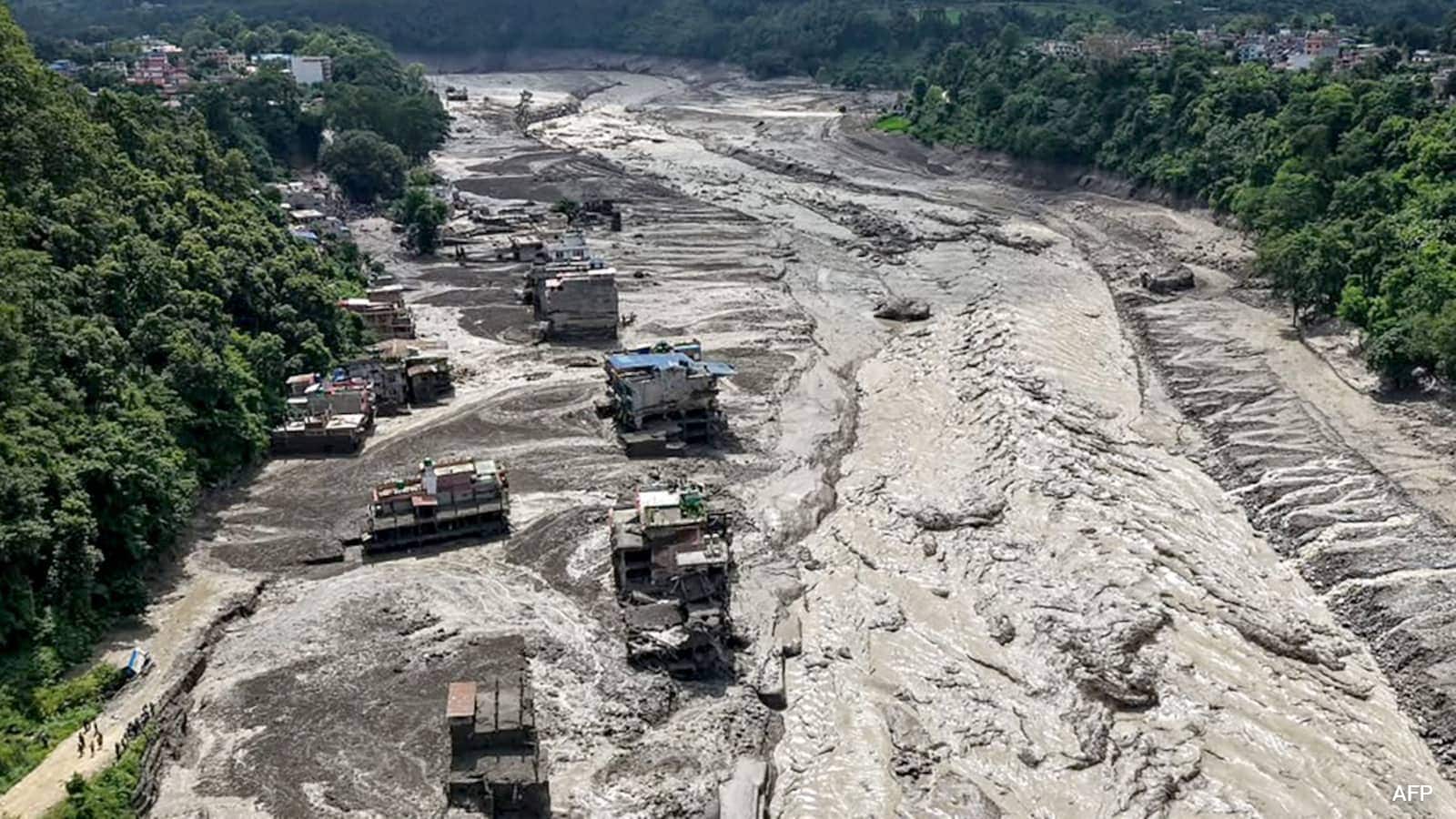
A group of 32 travelers from Calcutta was in Nepal’s Rasuwa district when floods struck.
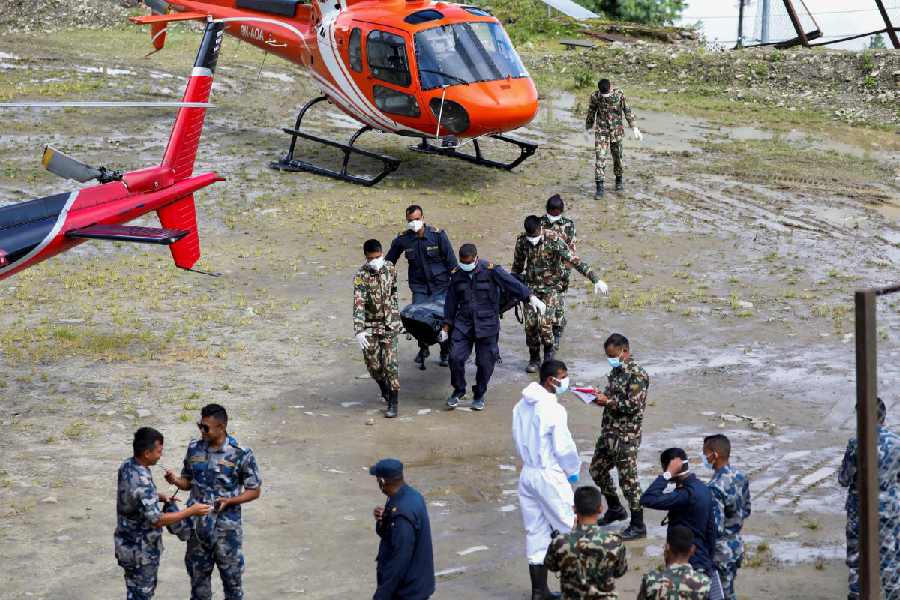
At least 644 people were reported missing after those floods, including 178 Indians.
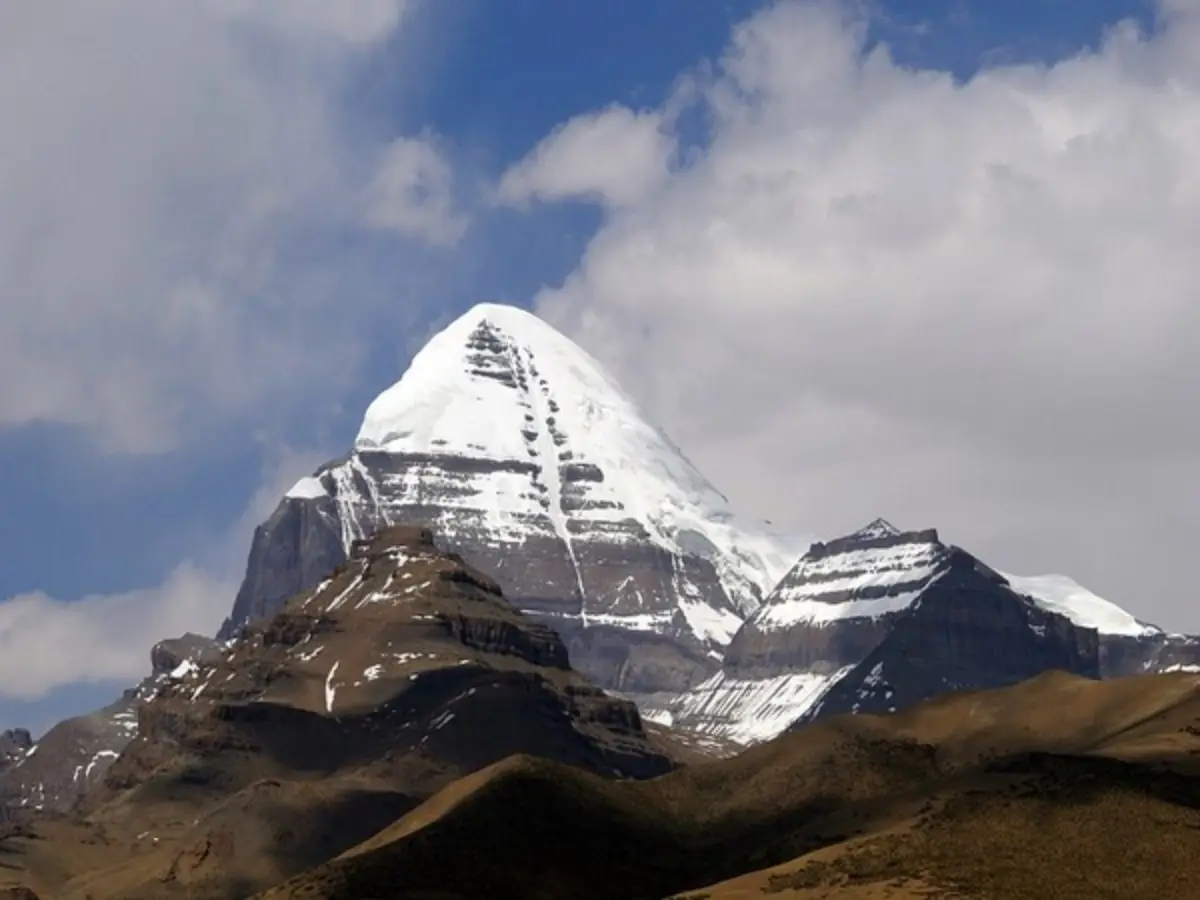
Even with these dangers, many people still want to visit Mansarovar.
The journey is especially popular from May to September.

Poor roads, fragile infrastructure, weather disruptions, and visa delays make the Mansarovar pilgrimage hazardous.
At least 644 people, including 178 Indians, were reported missing after floods in Nepal’s Rasuwa district.
Pilgrims use routes through Nepalgunj, Kathmandu and Rasuwa, or by air from Kathmandu to Lhasa.
Bad weather frequently halts flights and helicopters between Simikot and Hilsa, causing travelers to overstay.
Despite risks and extra costs, tour operators estimate that 20,000 to 25,000 Indians visit Mansarovar annually.
- Who
- Indian pilgrims, including travelers from Calcutta, along with tour operators in India and Nepal.
- What
- The Mansarovar pilgrimage is facing dangerous roads, weak infrastructure, weather disruptions, border delays and extra costs.
- Where
- Routes pass through Nepal, including Kathmandu, Rasuwa, Nepalgunj, Simikot and Hilsa, before reaching Tibet and Mansarovar.
- When
- The peak travel period is May to September; recent groups traveled in July and August, while floods struck on a Wednesday.
- Why
- Pilgrims face difficult terrain, bad weather, delayed visas and permits, local restrictions and possible additional stays.
Pilgrimage Demand And Route Choice
Safety And Reliability Concerns
Continuing demand
Pilgrimage Demand And Route Choice
Tour operators say Mansarovar remains a major attraction, with tens of thousands of Indians visiting annually despite the difficulties.
Safety And Reliability Concerns
Poor roads, flood risks, weather stoppages and fragile infrastructure make the journey challenging and potentially perilous.
Choosing a route
Pilgrimage Demand And Route Choice
Operators describe the Nepalgunj-Simikot-Hilsa route as faster and less hazardous than other options; some travelers also choose flights from Kathmandu to Lhasa.
Safety And Reliability Concerns
The Nepalgunj route depends on small planes and helicopters that can be grounded by bad weather, while the Kathmandu-Rasuwa route has poor road stretches.
Delays and extra costs
Pilgrimage Demand And Route Choice
Operators say they explain in advance that delays and expenses outside their control may be billed beyond the package price.
Safety And Reliability Concerns
Tourists may face arguments and unexpected costs after visa delays, weather stoppages, additional stays or optional expenses such as horse hire.
Key facts
- Estimated annual Indian visitors
- 20,000 to 25,000
- People reported missing after Rasuwa floods
- At least 644, including 178 Indian nationals
- Main travel routes
- Through Nepalgunj, through Kathmandu and Rasuwa, or by air from Kathmandu to Lhasa
- Approximate road journey from Kathmandu
- 15 days round trip
- Approximate journey through Nepalgunj
- 12 days round trip
- Typical package price
- Nearly ₹2.75 lakh
- Peak travel season
- May to September
Quotes
Narendra Deo Bhatta
Managing director of Heritage Tours & Travels Pvt Ltd in Kathmandu.
“People take flights from Nepalgunj to Simikot and then a helicopter ride to the Hilsa border. They cross over to Purang and travel by road.”
 telegraphindia.com
“A visit to Mansarovar from Kathmandu and back takes 15 days by road. In comparison, it takes 12 days through Nepalgunj and back.”
telegraphindia.com
Sources
Related news
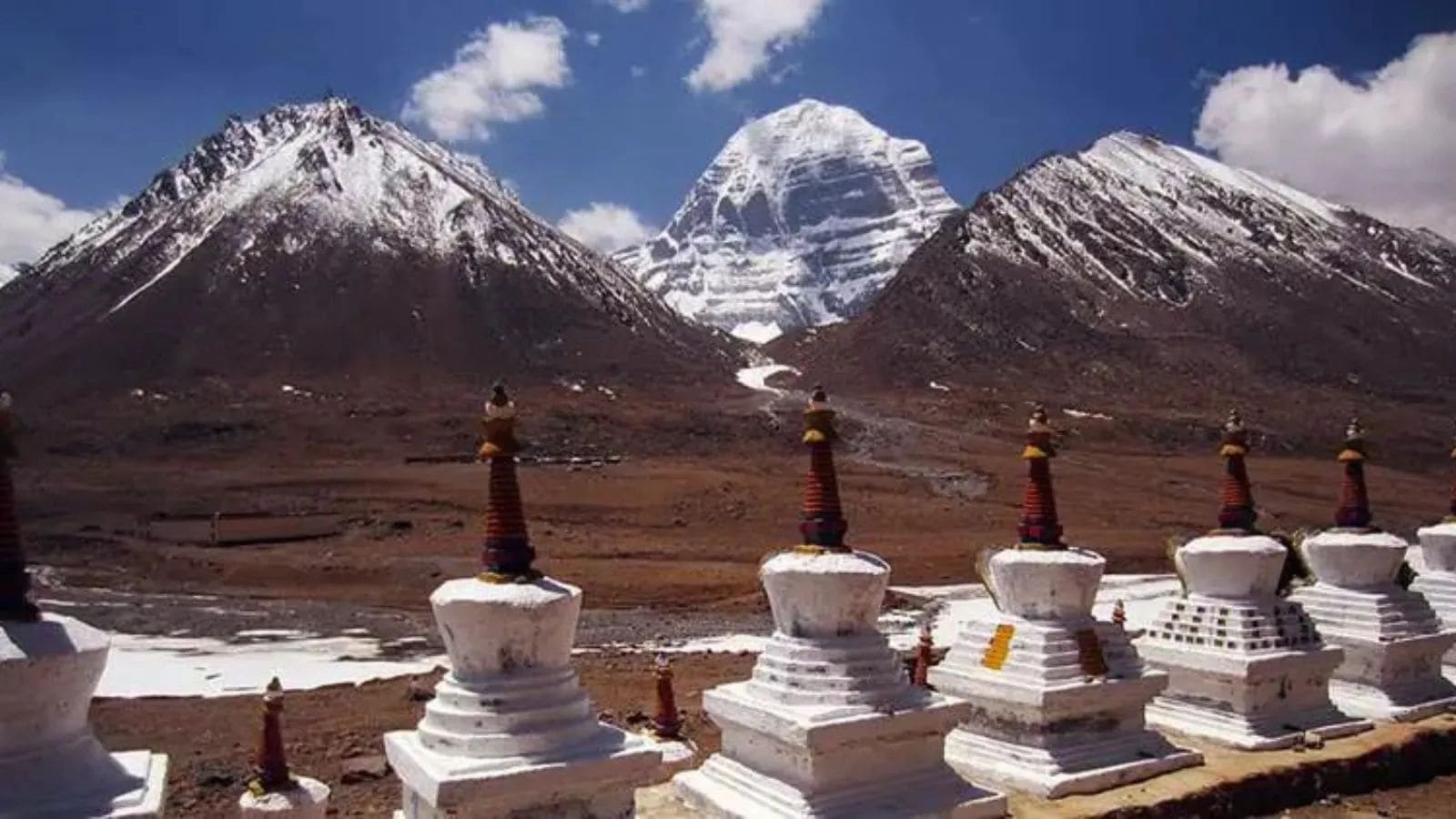
Nepal Floods Strand Kailash Pilgrims; Rasuwa Route Explained
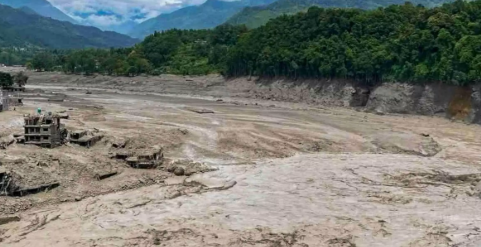
Nepal Floods Reveal Risks on Private Kailash Pilgrimage Routes
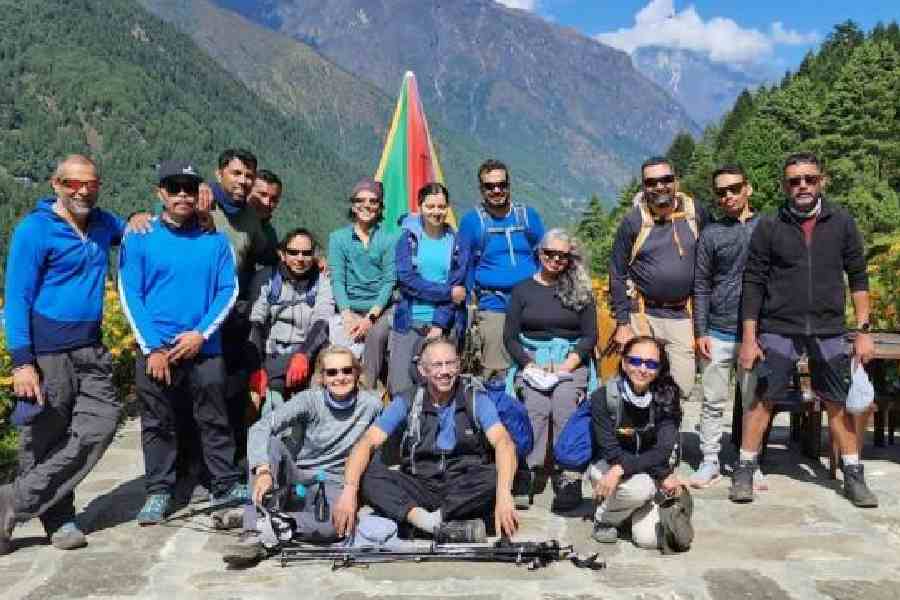
Nepal Floods Cancel Kailash Trips, Everest Treks Continue
Nepal Flash Floods Highlight Risks of Kailash Mansarovar Yatra

Drivers’ Warnings Help Bengal Tourists Escape Nepal Flash Floods
Nepal Flash Flood Leaves Nearly 400 Kailash Pilgrims Unreachable
Nepal Plans New Landslide Warning System Along China Border

Nepal Thanks India as Glacial Disaster Rescue Efforts Continue
Nepal Warns of Heavy Rain After Deadly Floods
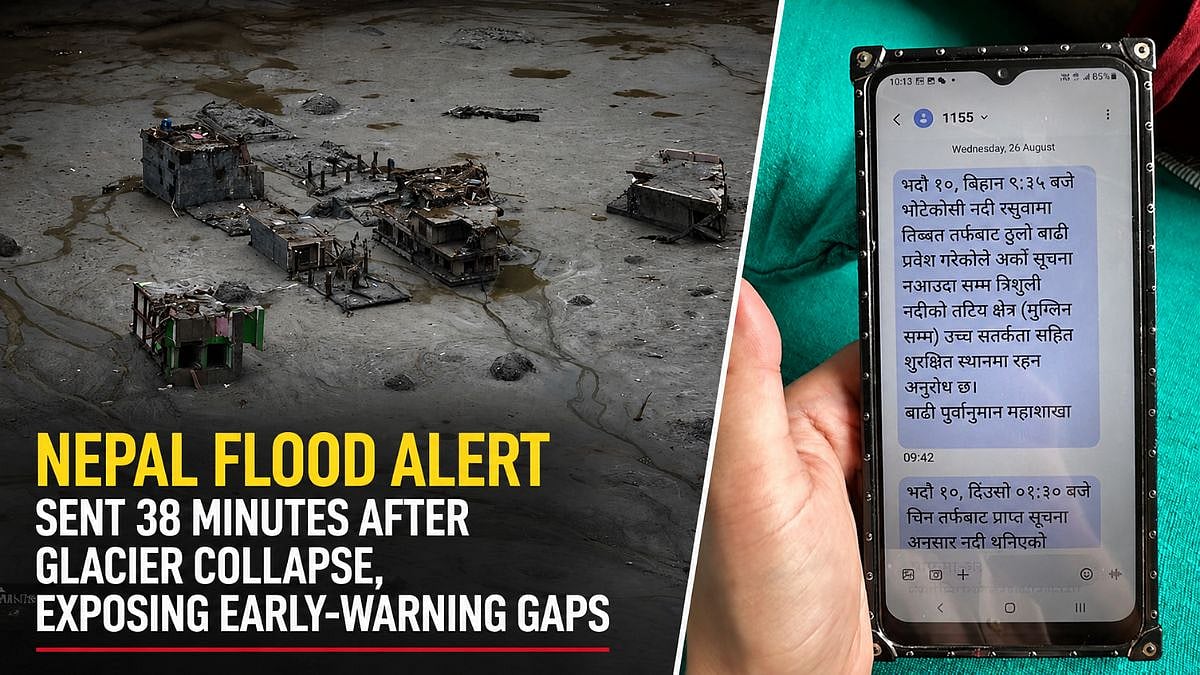
Nepal Flood Exposes Delayed Alerts and Cross-Border Warning Gaps

Bhotekoshi Flood Crisis: Nepal PM Shah Calls for Courage