3 hrs ago
Hormuz Traffic Hits Six-Month High After Iranian Tanker Strike

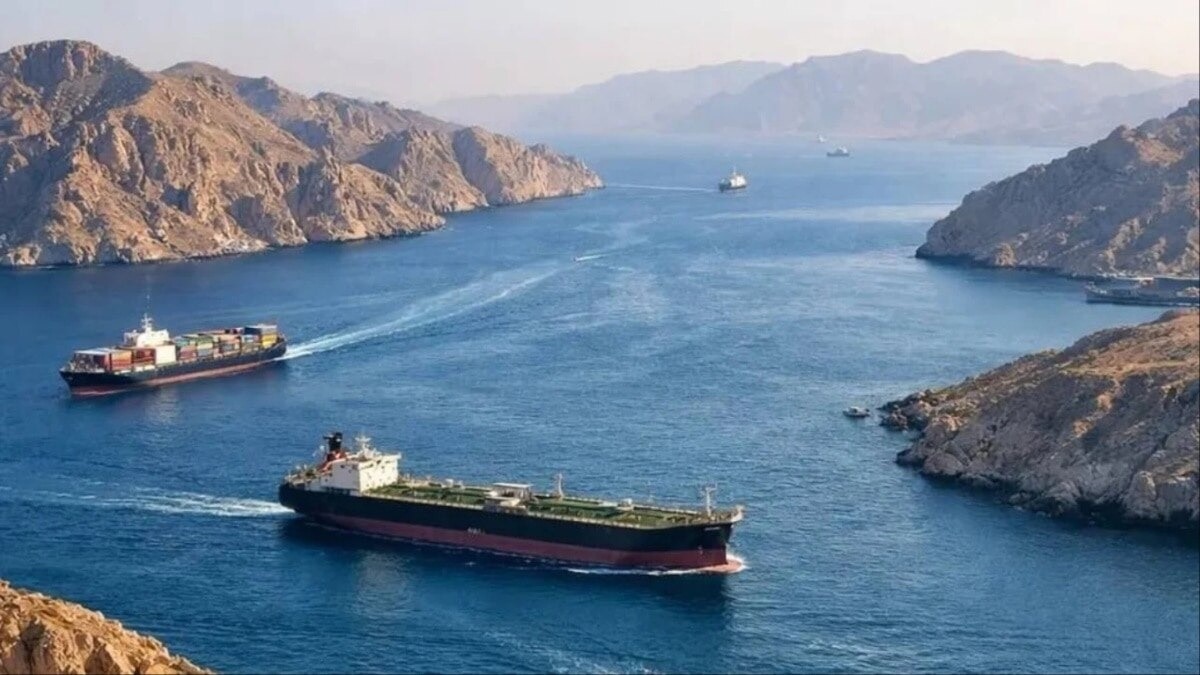
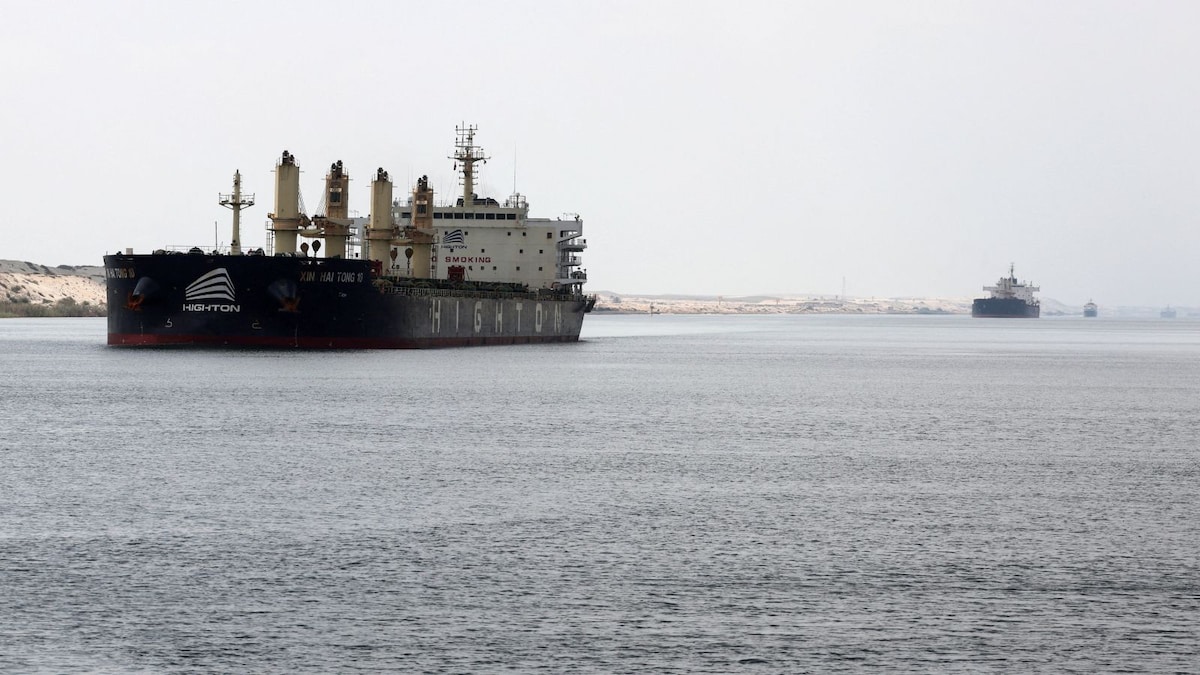
The Strait of Hormuz is an important waterway for ships.
Many ships carry oil, gas and other goods through it.
The U.S. military said traffic there was higher than it had been in six months.
This measurement covered the previous two weeks.
More than 2,000 ships were reportedly escorted.
One day earlier, Iran struck an oil tanker trying to pass through the strait.
The two events happened close together.
The report highlights both heavy shipping activity and a recent security incident.

The U.S. military said Strait of Hormuz traffic reached a six-month high over the past two weeks.
The reported flows included crude oil, cargo and liquefied natural gas.
More than 2,000 ships were escorted, according to the article’s headline.
The statement came one day after Iran struck an oil tanker attempting to cross the strait.
The Strait of Hormuz is described as strategically vital for energy and commercial shipping.
- Who
- The U.S. military reported the shipping figures; Iran was reported to have struck an oil tanker.
- What
- Traffic carrying crude oil, cargo and liquefied natural gas reached a six-month high, while more than 2,000 ships were reportedly escorted.
- Where
- The Strait of Hormuz.
- When
- The traffic assessment covered the past two weeks, and the U.S. statement was made Saturday, one day after the tanker strike.
- Why
- The waterway is strategically vital for crude oil, cargo and liquefied natural gas shipments.
Key facts
- Location
- Strait of Hormuz
- Reported traffic period
- Past two weeks
- Traffic level
- Highest in six months
- Cargo types
- Crude oil, cargo and liquefied natural gas
- Ships escorted
- More than 2,000
- Recent incident
- Iran struck an oil tanker attempting to transit the strait
- Reporting authority
- U.S. military
Sources
Related news

US Navy Says Hormuz Oil Flows Recover Amid Security Risks
Hormuz Traffic Falls Below 20 Ships Amid Blockades

Hormuz Shipping Traffic Plunges 95% Amid Iran War

Iran Claims Retaliatory Strikes After US Destroys Three Tankers
Saudi Tanker Hit in Hormuz, Killing Two Filipino Sailors
Saudi Air Alerts as Middle East Fighting Escalates

US-China Talks Target Tariffs, Technology and Energy Before Summit
Supertanker Shortage Raises Oil Costs and Threatens Global Flows
Saudi Arabia’s Crude Output Hits 30-Year Low as Rivals Rise