17 hrs ago
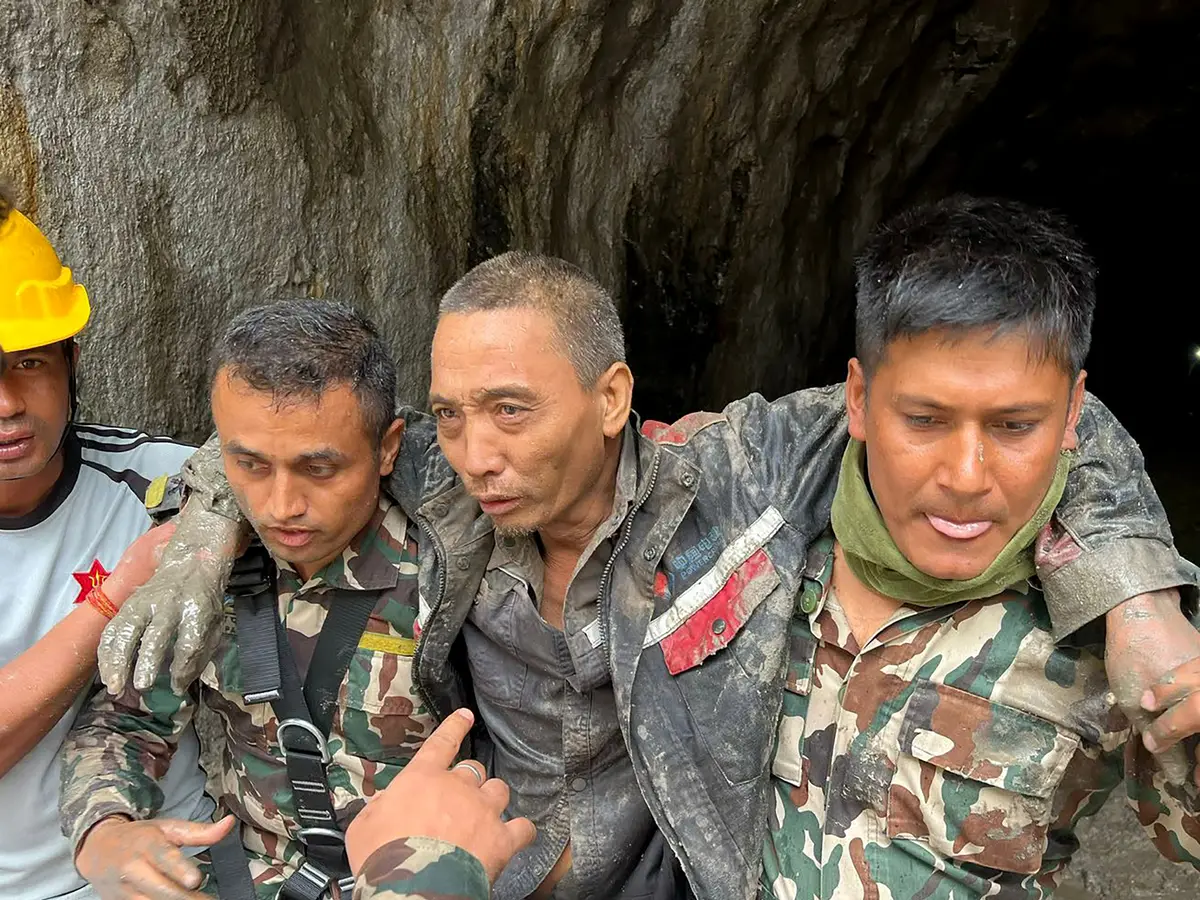
Nepal Rescue Teams Search for Survivors After Floods

A powerful disaster struck parts of Nepal on August 26.
Flash floods, landslides and mudslides damaged bridges and buildings.
Many people became stranded because they could not cross the Trishuli River safely.
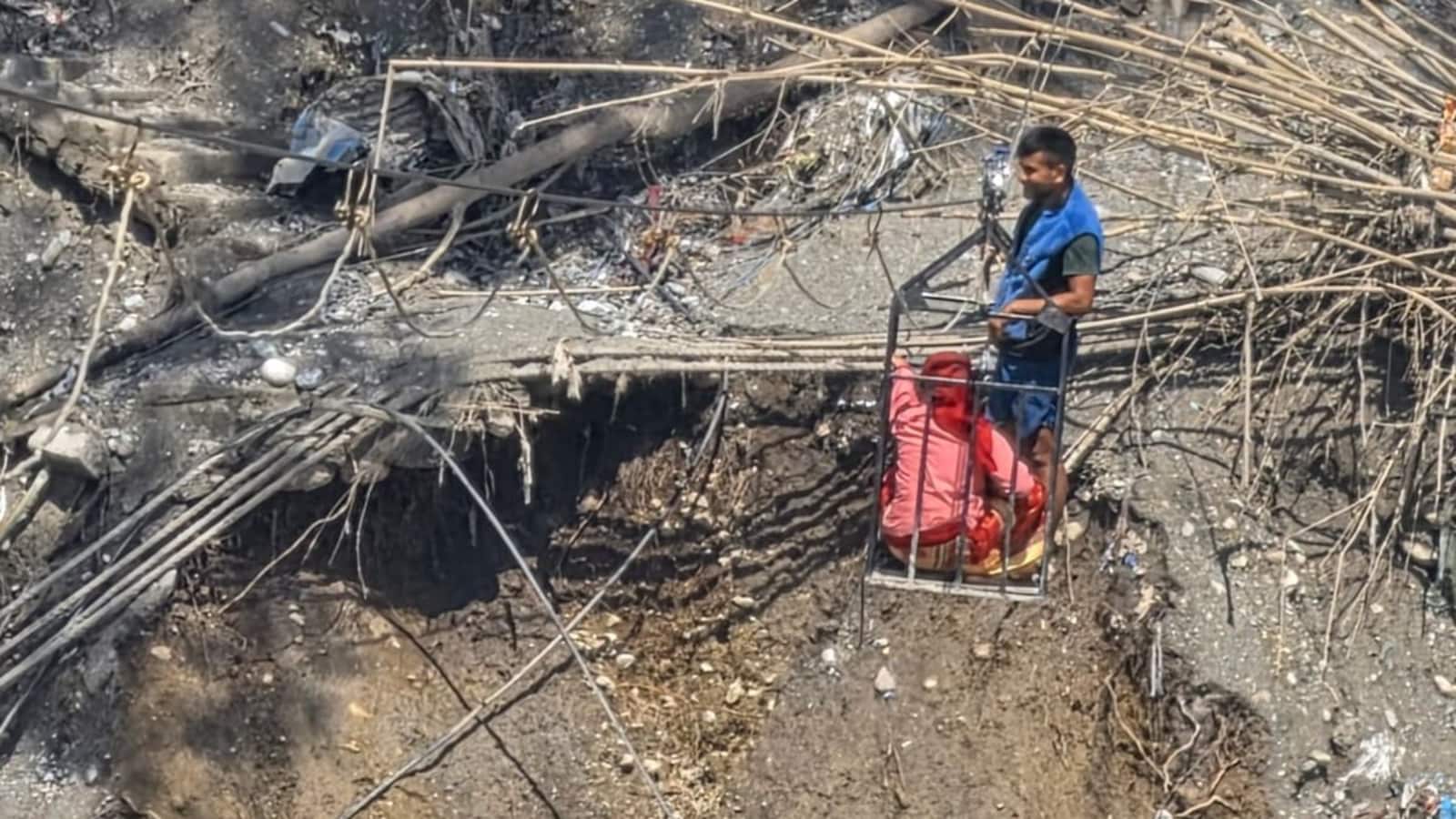
Rescue workers built a temporary zip line with a cage to move people across the river.
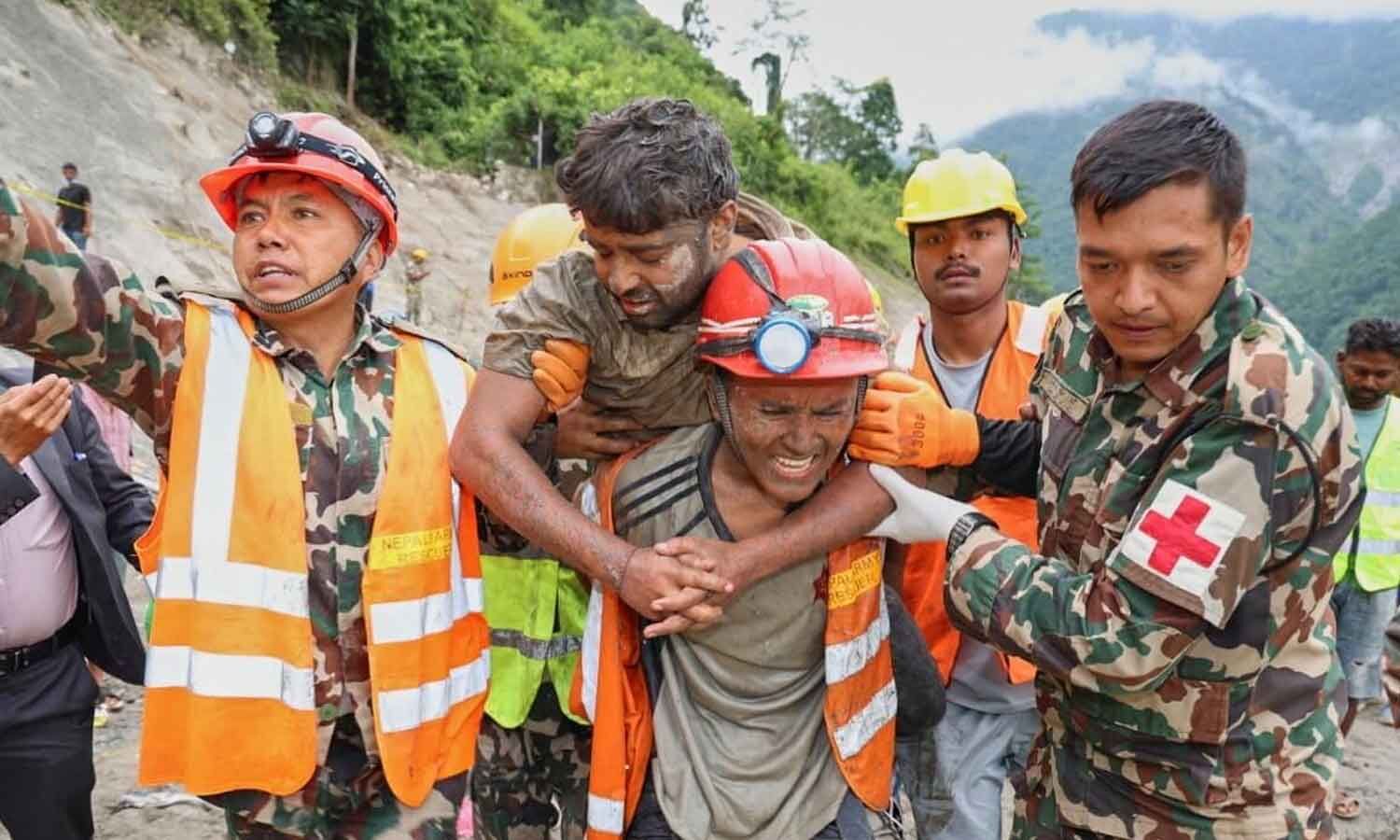
Nepal Army-led teams are still looking for survivors.
Officials reported that 4,873 people remain missing.
Some families are holding funeral rituals even though the missing people’s bodies have not been found.
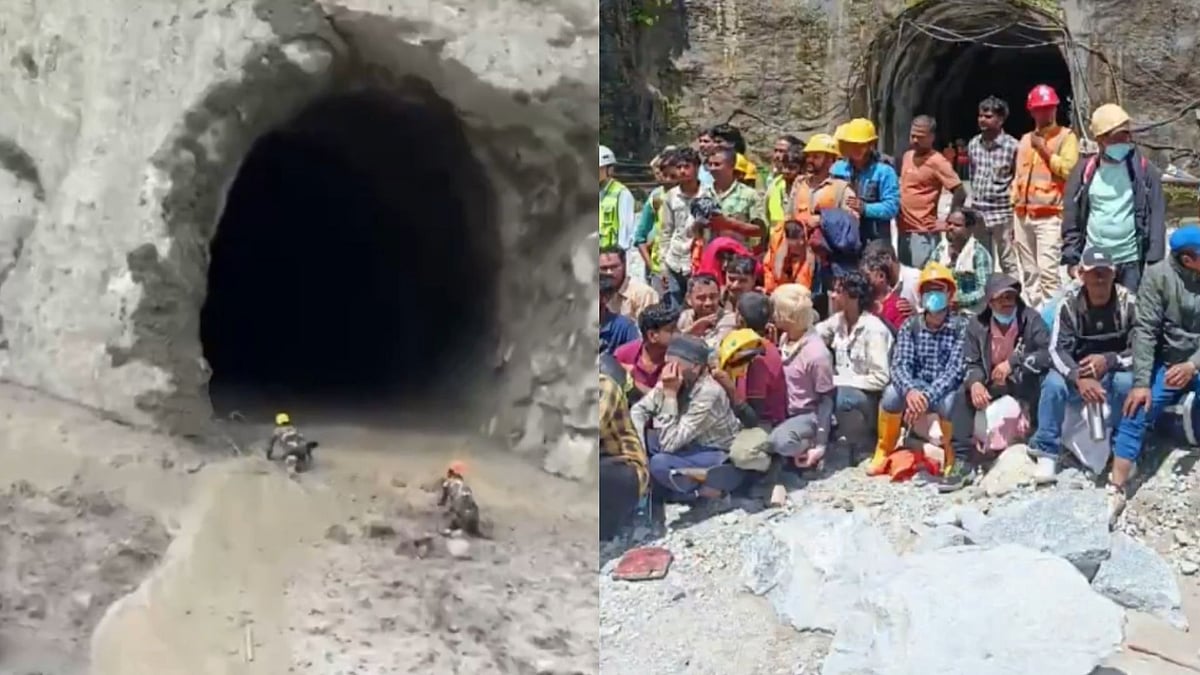
Rescue teams are also searching a hydropower station tunnel for survivors and bodies.

Nepal Army-led rescue teams continue searching for survivors after the August 26 disaster.
A reported 4,873 people remain missing following devastating flash floods, landslides and mudslides.
Damaged bridges left people stranded near the Trishuli River in Nuwakot district.
Rescue workers built a makeshift zip line to carry people across the river.
Teams are also searching for survivors and retrieving bodies at the Upper Trishuli 3A Hydropower Station in Rasuwa.
- Who
- Nepal Army-led rescue teams, local residents and families of missing people.
- What
- Rescue operations are searching for survivors and missing people after flash floods, landslides and mudslides.
- Where
- Affected areas include the Trishuli River and Nuwakot district, as well as Rasuwa and Kathmandu.
- When
- The disaster occurred on August 26; rescue operations were continuing afterward.
- Why
- The disaster damaged bridges, stranded residents and left thousands of people missing.
Key facts
- Missing people
- 4,873 people remain missing.
- Disaster date
- August 26.
- Main hazards
- Flash floods, landslides and mudslides.
- Rescue leadership
- Rescue teams are led by the Nepal Army.
- Temporary crossing
- A makeshift zip line and cage are being used to cross the Trishuli River.
- Search location
- Teams are searching the Upper Trishuli 3A Hydropower Station in Rasuwa.
- Family response
- Some families have performed rituals using effigies because bodies remain untraced.
Sources
Related news

Nepal Flash Floods Leave Death and Destruction One Week Later
Nepal Army Rescues Flood Survivors From Muddy Hydropower Tunnel

Nepal Floods Leave Hundreds Dead as Search for Survivors Continues

Flash Flood Buries Trishuli as Nepal Rescue Efforts Continue
Nepal Flash Flood Toll Reports Diverge as Rescue Operations Continue
Nepal Flood Death Toll Reaches 1,344 as Searches Continue

Bihar Floods Affect 16 Lakh People as Rivers Rise
Nepal Floods Leave Devi Ghat Relying on Zipline

Singapore Probes Racist Posts Tied to Nepal Floods, Air India
45-Day-Old Baby Found Alive After Nepal Flood Rescue

IIT Researchers Warn of Himachal Pradesh Glacial Lake Floods