2 hrs ago
China Condemns United States Russia Sanctions Bill as Unlawful
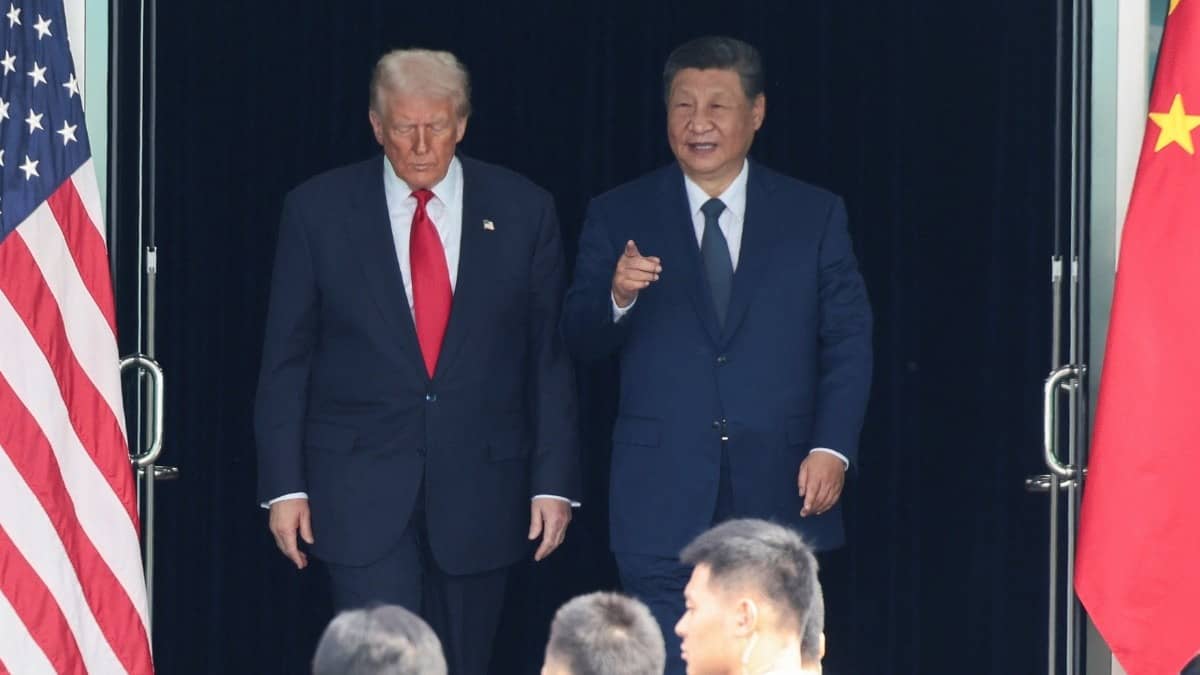
The United States passed a bill that could increase sanctions on Russia and countries buying Russian energy.
China said the bill unfairly interferes with normal trade.
China also said such sanctions do not have a proper basis under international law.
The bill targets Russian officials, banks and ships connected to energy exports.
It could allow tariffs as high as 100 percent on goods from some major Russian energy buyers.
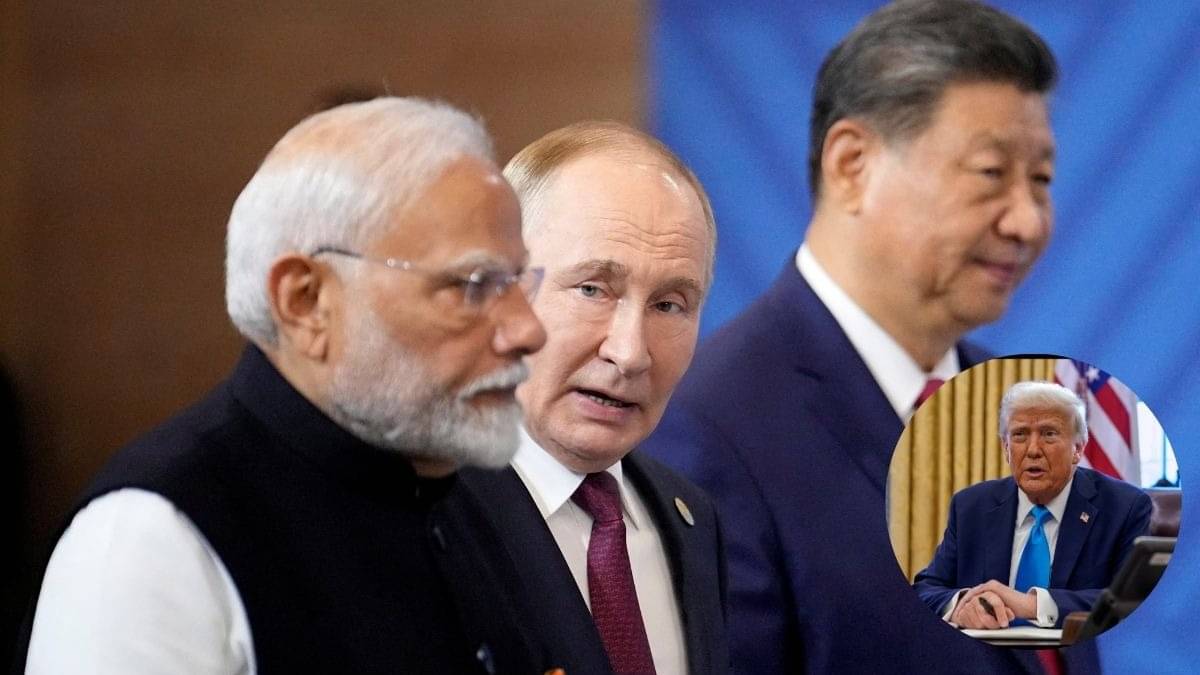
India and China are among the biggest buyers of Russian crude.
However, the tariffs would not start automatically.
President Donald Trump would have to decide whether to use this authority.
Supporters say access to the United States market could pressure countries to reduce purchases from Russia.

China rejected the United States sanctions bill, calling it unilateral and unsupported by international law or United Nations Security Council authorization.
The United States House of Representatives passed the legislation 262-159, sending it to President Donald Trump for signature.
The bill expands sanctions on Russian officials, financial institutions, banking authorities and vessels linked to Russia’s so-called shadow fleet.
It would authorize tariffs of up to 100 percent on goods from major purchasers of Russian petroleum or natural gas.
The measure does not automatically impose tariffs, but gives the president discretionary authority to apply them under specified conditions.
- Who
- The Chinese Ministry of Foreign Affairs, the United States Congress, President Donald Trump, Russia, China and India.
- What
- The United States passed the Lindsey O. Graham Sanctioning Russia and Iran Act of 2026, while China condemned it as unlawful unilateral sanctions.
- Where
- The legislation was passed in the United States, and China issued its response from Beijing.
- When
- The House passed the bill on Wednesday; the Senate had approved it on August 7.
- Why
- United States supporters say the measure could pressure countries to reduce purchases of Russian energy and constrain Russia’s exports.
United States Supporters
China’s Objections
Legality of sanctions
United States Supporters
United States supporters present the sanctions as a tool to pressure Russia and countries continuing to purchase its energy.
China’s Objections
China calls the measures unilateral sanctions and long-arm jurisdiction without a basis in international law or United Nations Security Council authorization.
Trade and energy cooperation
United States Supporters
Supporters argue that access to the United States market can persuade major Russian energy buyers to reduce those purchases.
China’s Objections
China says its economic and trade cooperation with countries worldwide is based on equality and mutual benefit and should not face interference or coercion from third parties.
Tariff authority
United States Supporters
The bill would give the United States president discretion to impose tariffs of up to 100 percent under defined conditions.
China’s Objections
China opposes the broader use of unilateral measures to influence normal economic and trade relationships.
Key facts
- House vote
- 262-159 in favor
- Senate vote
- 86-11 on August 7
- Bill
- Lindsey O. Graham Sanctioning Russia and Iran Act of 2026
- Potential tariffs
- Up to 100 percent
- Targets
- Russian officials, financial institutions, banking authorities and shadow-fleet vessels
- Exemption condition
- Countries importing less than 15 percent of Russian natural gas exports and taking substantial steps to reduce purchases could qualify
- Presidential role
- Donald Trump must sign the bill, and tariffs would require executive action
Quotes
Chinese Ministry of Foreign Affairs spokesperson
Spokesperson for China’s Ministry of Foreign Affairs
“opposes long-arm jurisdiction and unilateral sanctions that have no basis in international law and authorisation from the UN Security Council”
 republicworld.com
“has always conducted normal economic and trade cooperation with countries around the world on the basis of equality and mutual benefit.”
republicworld.com
Sources
Related news
India, China and Russia Resist New US Sanctions Bill
US Sanctions Bill Puts India, China Under Russian Oil Pressure
House Passes Russia Sanctions Bill, India Faces Tariff Risk
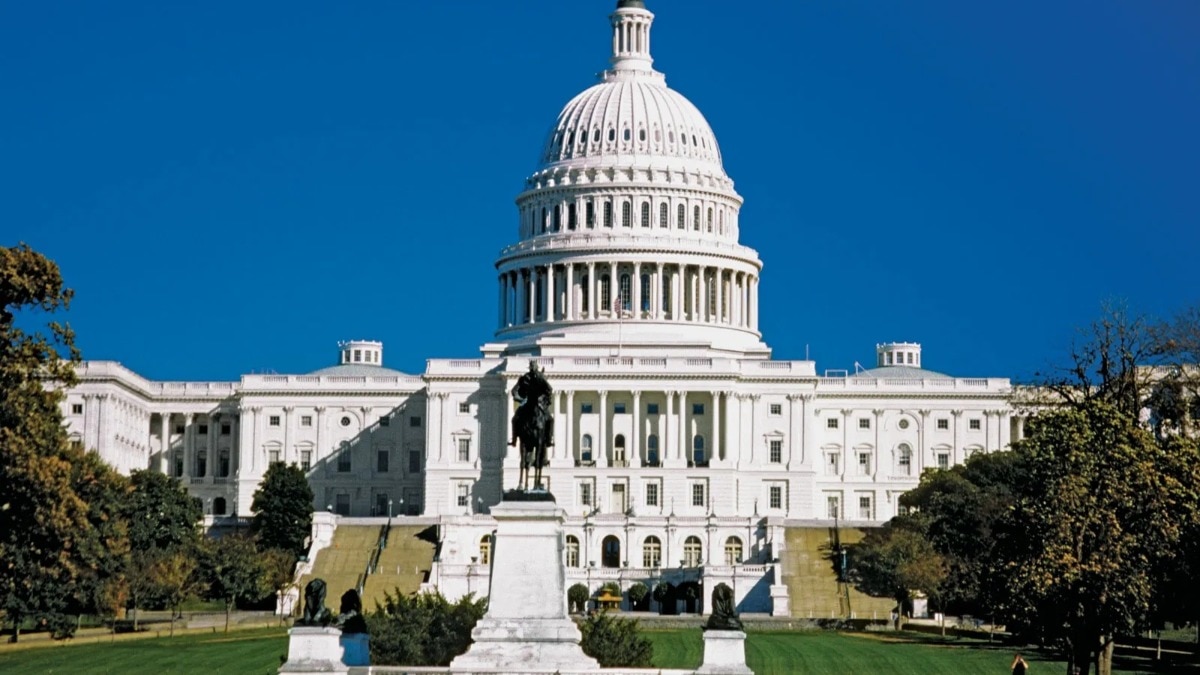
House Passes Bill Targeting Russian Oil Buyers With Tariffs
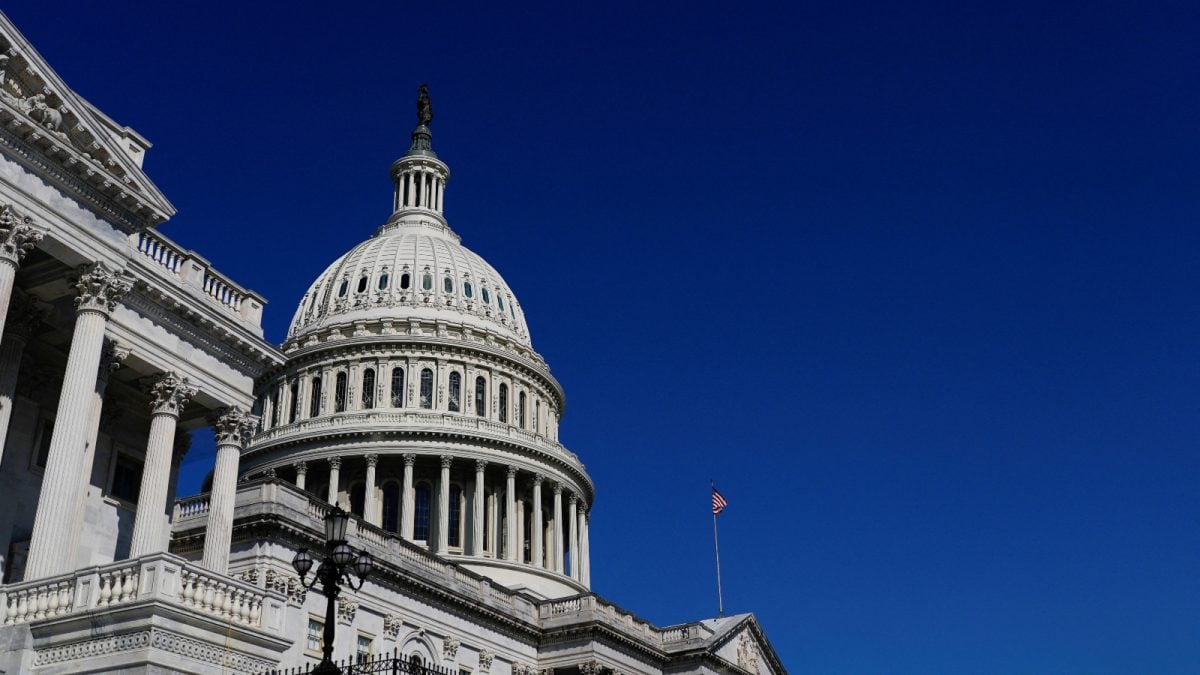
US House Passes Russia Sanctions Bill With India Tariff Risk
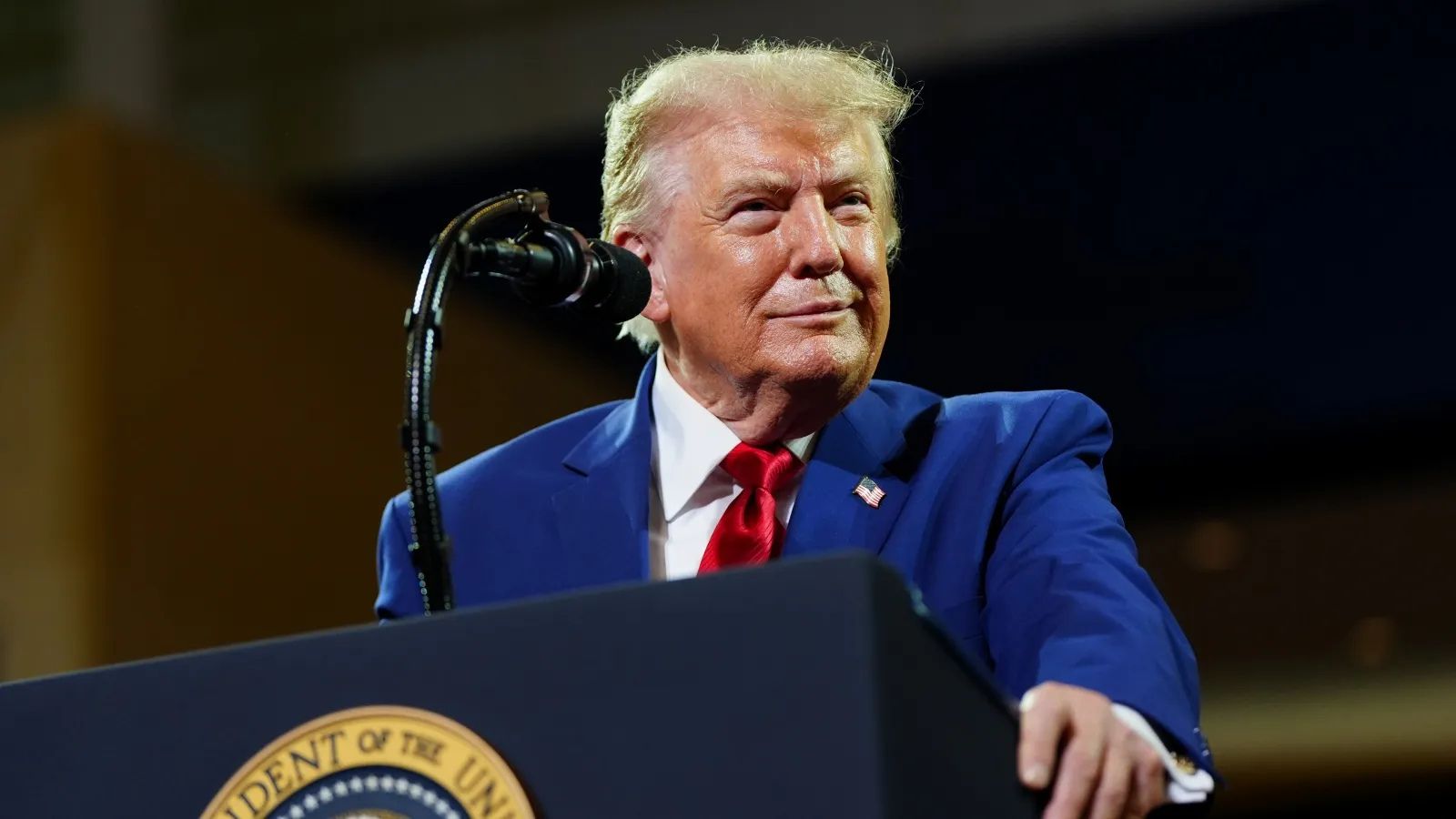
US Passes Russia Sanctions Bill, Authorizing 100% Tariffs
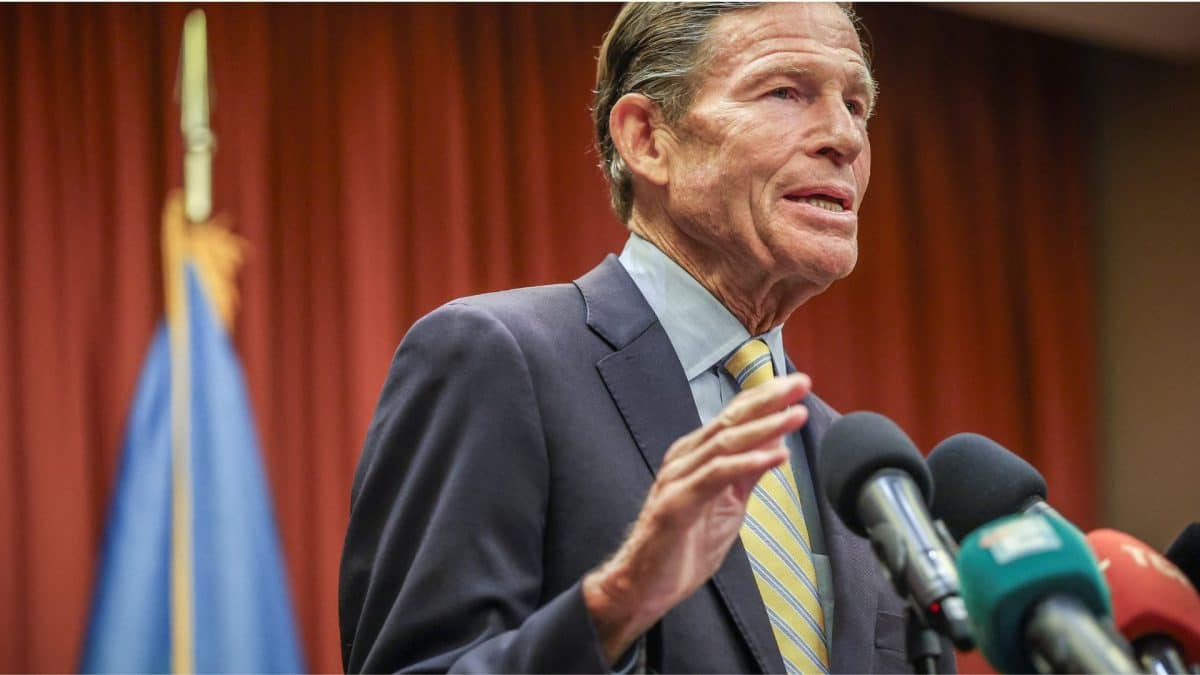
Richard Blumenthal Drives Bipartisan Russia Sanctions Bill
Powerus Signs Pakistan Army Drone Deal Amid Trump Family Links
India Secures Duty-Free Steel Quota Access to EU
India’s Defence Spending Trails China Despite Asia’s Second Rank
India Rejects New China-Pakistan Boundary Commission Over Kashmir