3 hrs ago
Gandhi Jayanti 2026 Highlights Global Legacy of Nonviolent Resistance
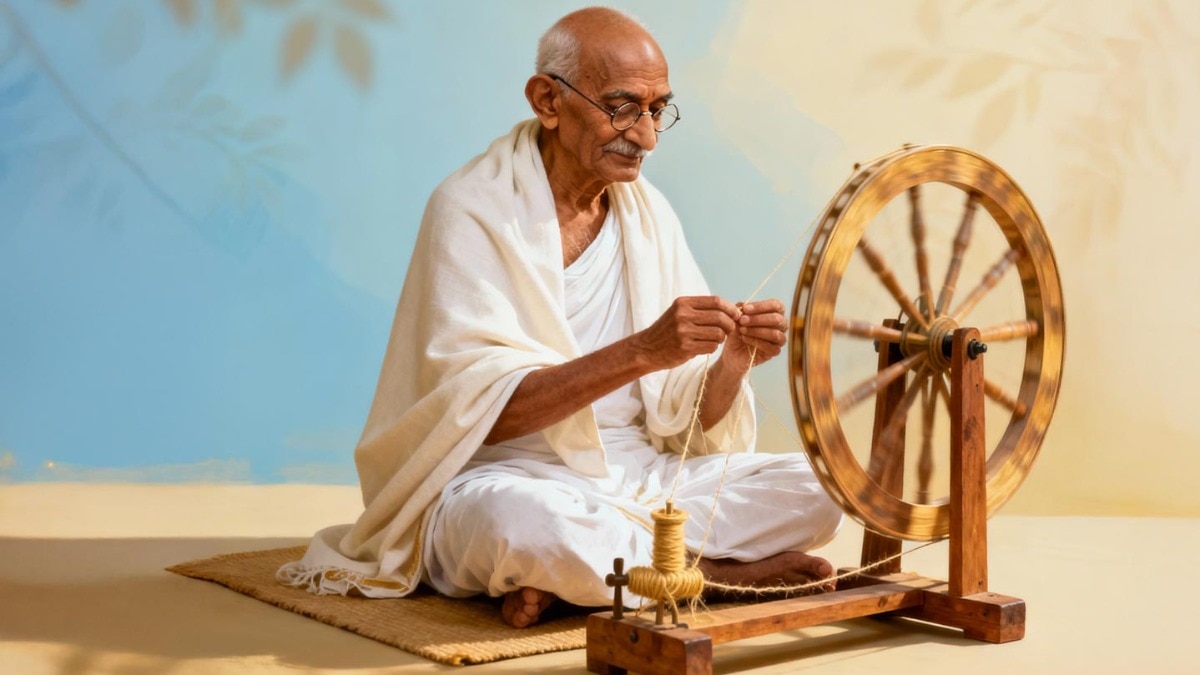
Mahatma Gandhi was an Indian leader who believed people could fight injustice without using violence.
He called this approach Satyagraha, or standing firmly for truth.
He developed these ideas while working as a lawyer in South Africa.
In India, he helped farmers and led large movements against British rule.
The Salt March and Quit India Movement brought millions of people together.
Gandhi also encouraged people to make and wear their own cloth instead of buying British textiles.
His ideas later influenced leaders such as Martin Luther King Jr. and Nelson Mandela.
During Gandhi Jayanti 2026, people held events about peace, equality, community service, and protecting the environment.

Mahatma Gandhi developed Satyagraha during his early legal career in South Africa in response to institutionalized racism.
His Champaran Satyagraha supported oppressed indigo farmers and challenged colonial economic structures.
The Non-Cooperation Movement, Salt March, and Quit India Movement mobilized millions across India.
Gandhi promoted Ahimsa, Swadeshi, and khadi as principles of non-violence, self-reliance, and economic independence.
His methods influenced civil rights leaders including Martin Luther King Jr. and Nelson Mandela, while 2026 commemorations focused on peace, equality, and sustainability.
- Who
- Mahatma Gandhi, along with the institutions, schools, and civic organizations commemorating his legacy.
- What
- Gandhi’s development of non-violent resistance and its continuing influence on India and global civil rights movements.
- Where
- Porbandar, Gujarat; South Africa; India; and Rajghat are identified in the account.
- When
- Gandhi was born on October 2, 1869; the article discusses Gandhi Jayanti 2026.
- Why
- To commemorate Gandhi and reflect on non-violence, self-reliance, peaceful conflict resolution, social equality, and environmental sustainability.
Key facts
- Birth
- October 2, 1869, in Porbandar, Gujarat
- Core method
- Satyagraha, the pursuit of truth through non-violent resistance
- Key principle
- Ahimsa, or non-violence
- Economic principle
- Swadeshi, or self-reliance
- Major campaigns
- Champaran Satyagraha, the Non-Cooperation Movement, the 1930 Salt March, and the 1942 Quit India Movement
- National symbol
- The spinning wheel, or charkha, represented economic independence and human dignity
- Global influence
- Gandhi’s methods influenced Martin Luther King Jr. and Nelson Mandela
Sources
Related news

Gandhi Jayanti 2026: India Honors Gandhi With Wishes, Quotes
Historian Links Gandhi’s Satyagraha to Smartphone-Era Youth Protest
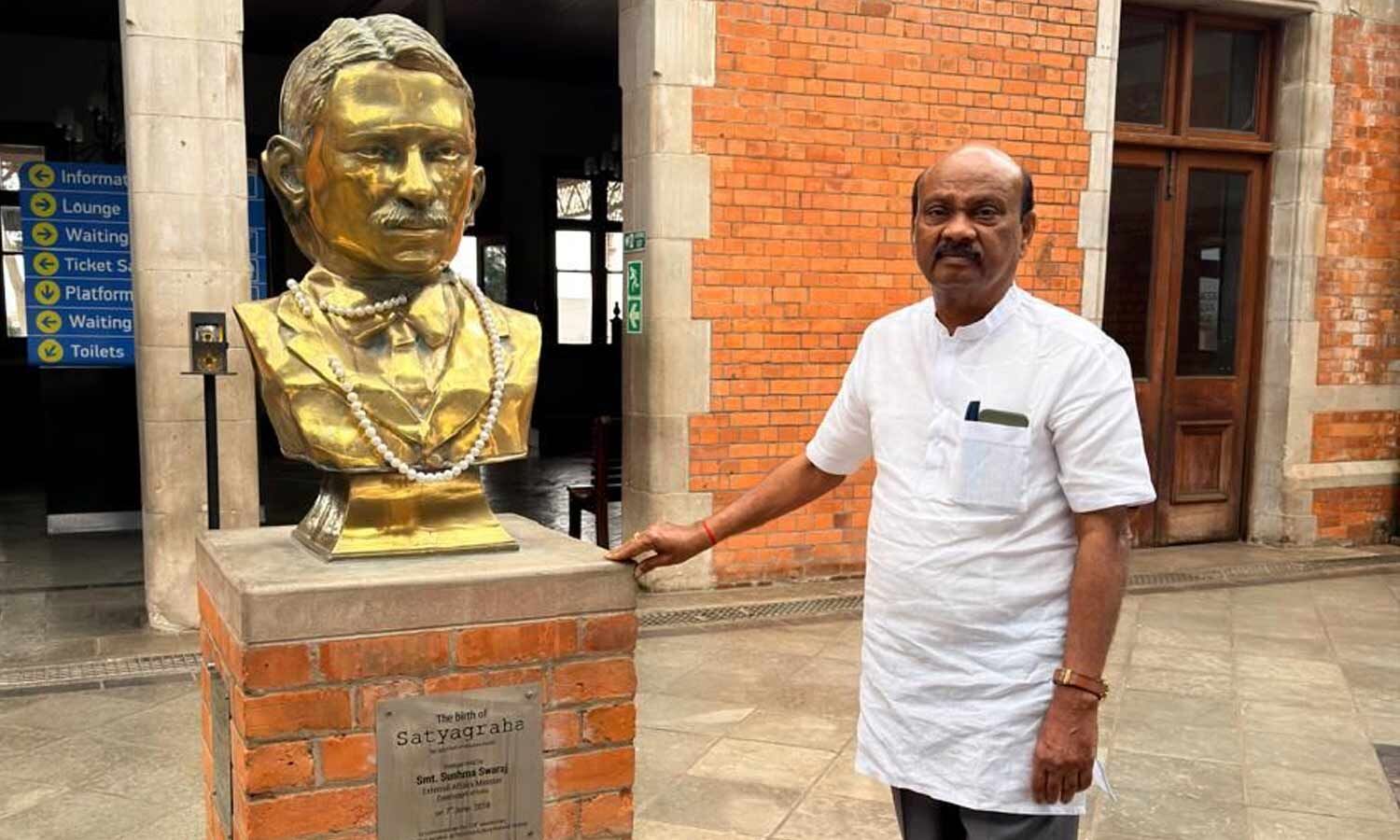
AP Speaker Pays Homage to Gandhi at Historic Station
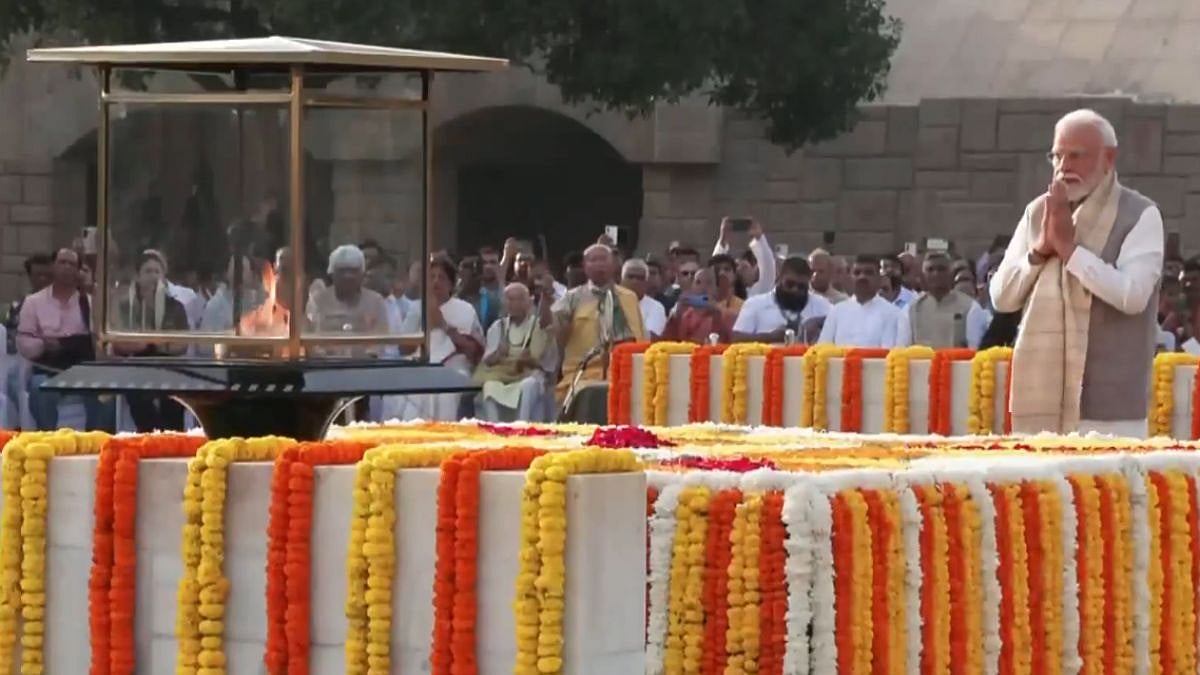
India Marks Gandhi Jayanti With Tributes and Cleanliness Campaigns
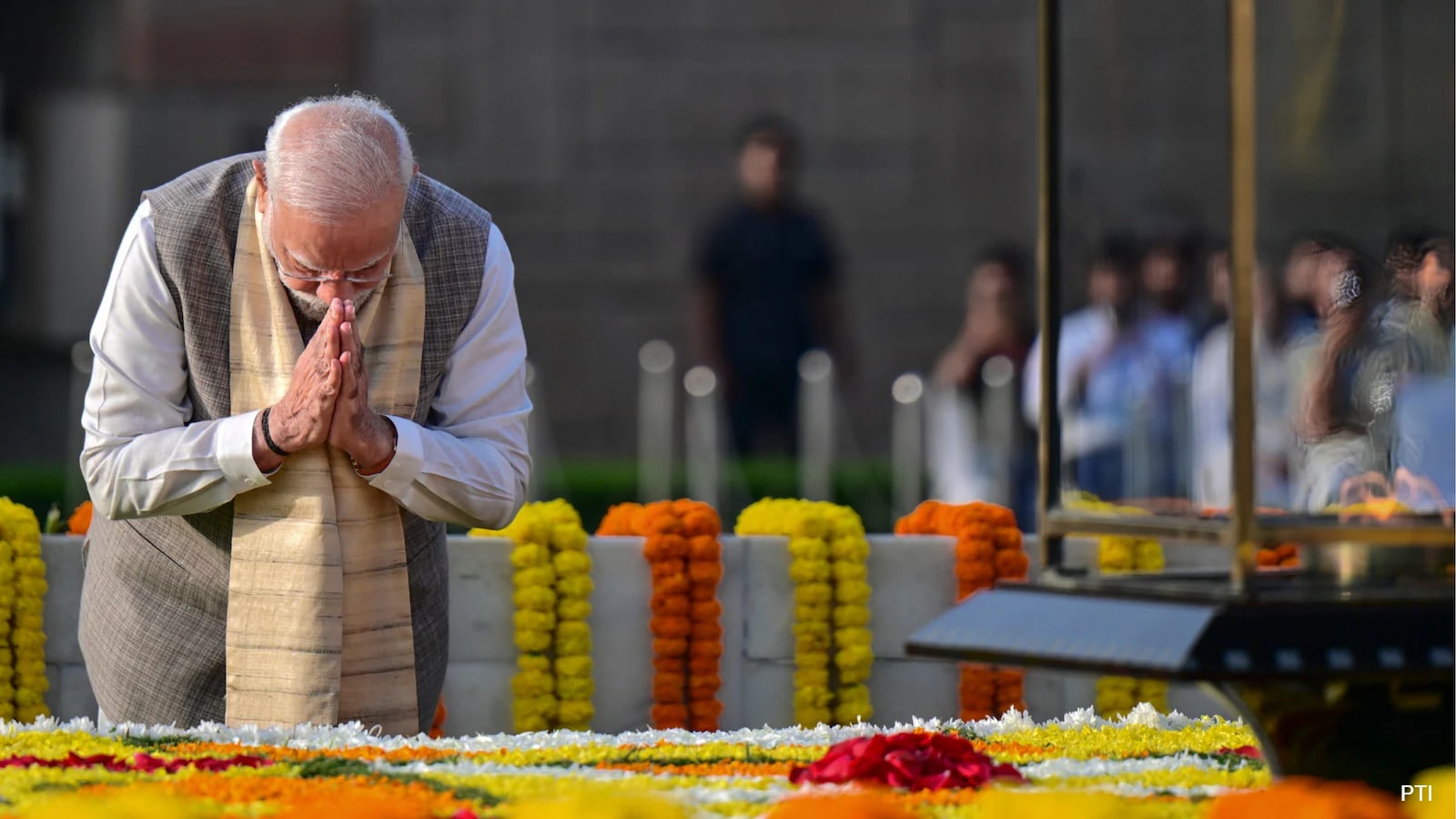
Modi Pays Tribute to Gandhi, Urges Swadeshi on Birth Anniversary

The Hindu Announces Special Gandhi Jayanti Commemorative Edition
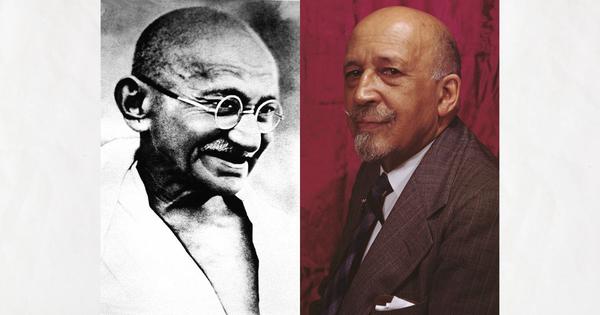
How Gandhi and India Shaped WEB Du Bois’s Global Vision
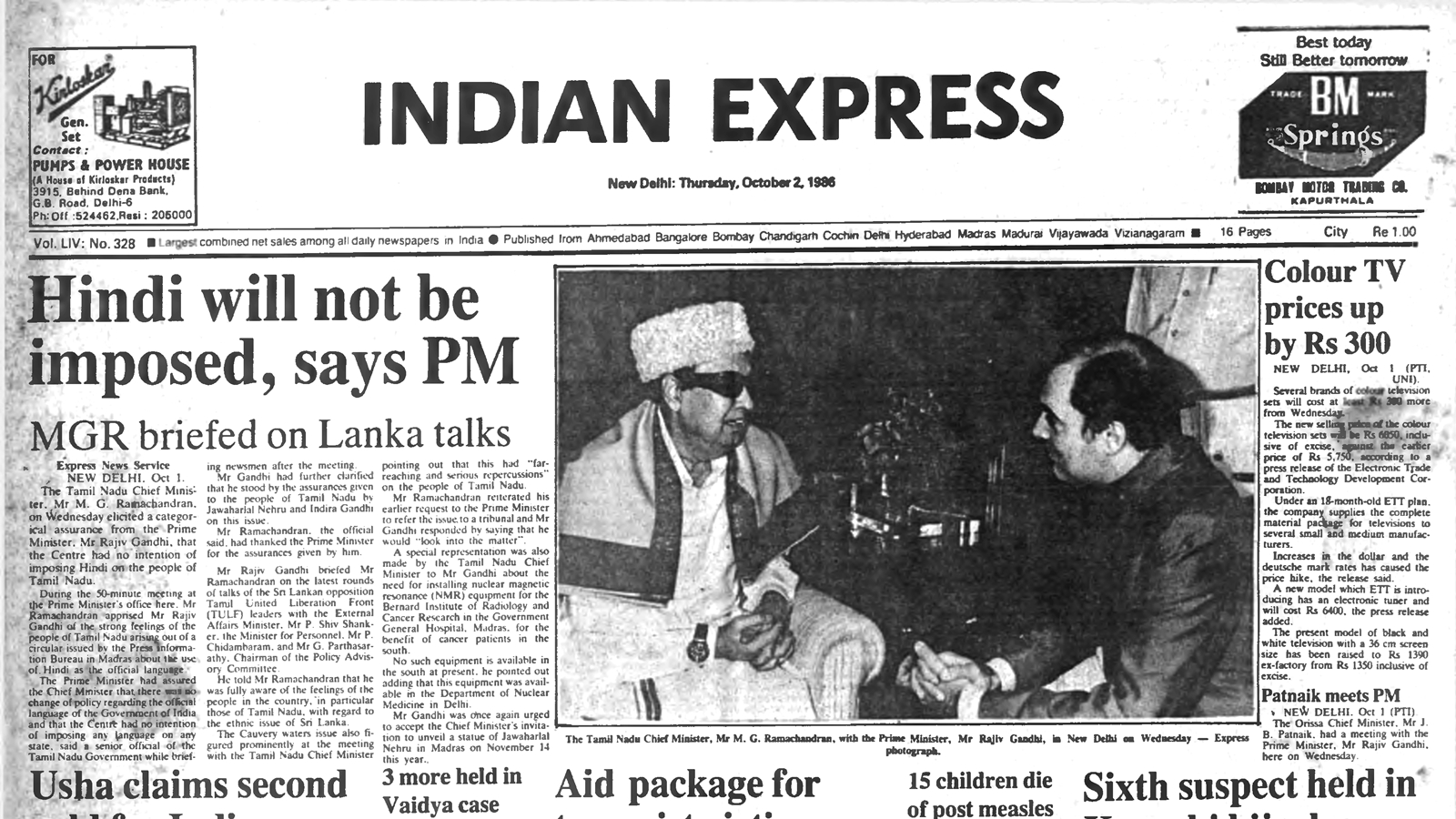
Gandhi Statue Dispute, Hindi Assurance, Economy Praise and Arrests

Propaganda Evolves From Wartime Messaging to Digital Influence

John Coltrane at 100: India’s Influence on His Music