

1 month ago
Bihar Proposal to Delink Colleges from Universities Sparks Concern
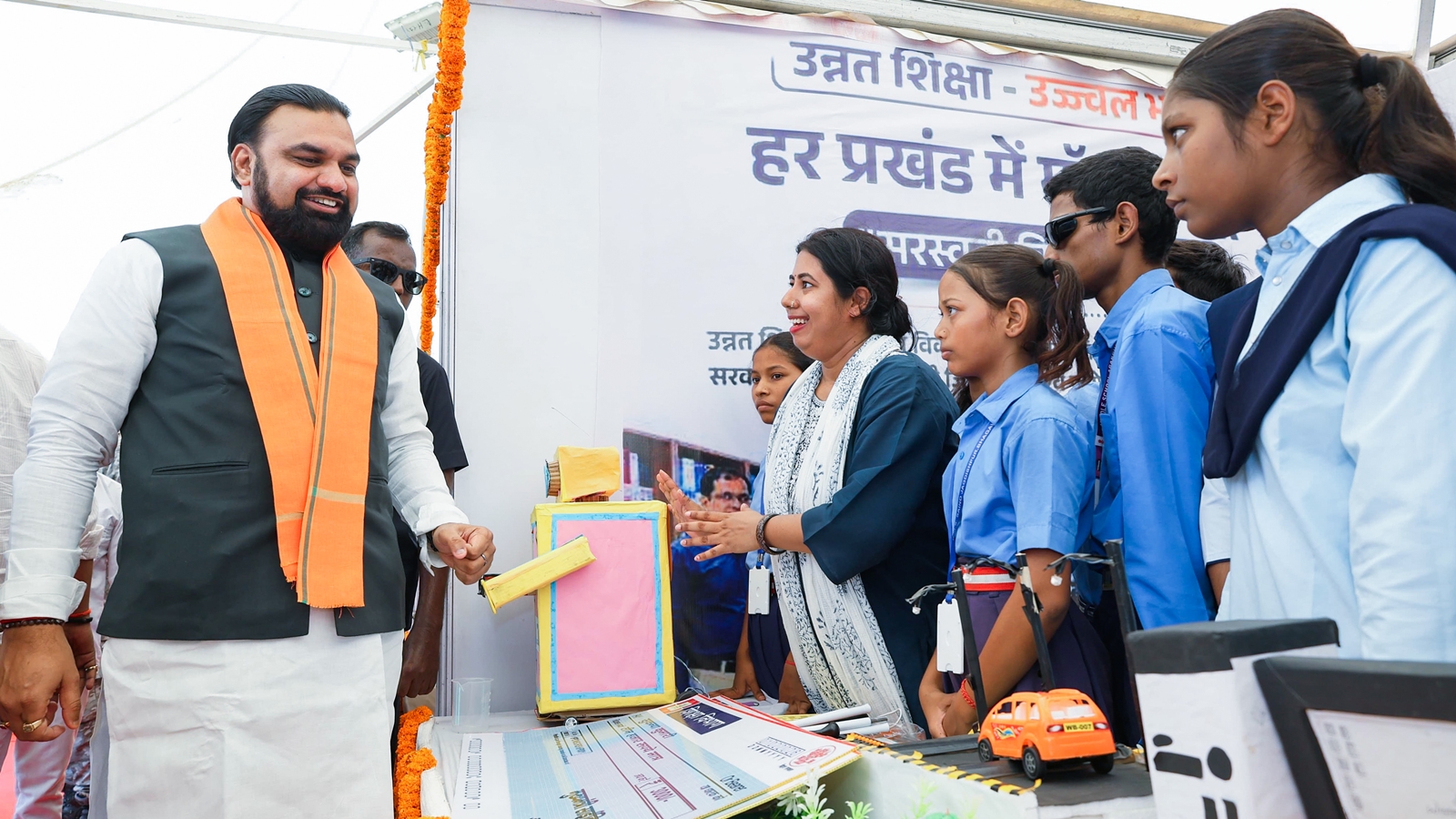
There is a proposal in Bihar to change how colleges work.
Right now, colleges are connected to universities, but the new plan would make them report directly to a new government department.
Some teachers from Delhi University and other groups are worried about this change.
They think it might make the colleges and universities weaker because universities usually handle important things like making courses, giving exams, and hiring teachers.
The teachers also say that good schools need to be independent and have enough money.
A recent education policy in India also supports this idea of giving schools more freedom.
The teachers want the government to think carefully about this change and talk to more people before making a decision.

Bihar proposes a Bill to delink over 500 undergraduate colleges from state universities, bringing them under a new higher education department.
DUTA and FEDCUTA have written to Bihar Governor Syed Ata Hasnain, urging him to maintain the current system.
The proposed change could weaken the academic structure and reduce university authority over colleges.
The National Education Policy (NEP) 2020 emphasizes greater autonomy for higher education institutions.
Teachers argue that the proposal needs careful examination to ensure it aligns with national education vision and principles.
- Who
- Bihar government, Delhi University Teachers Association (DUTA), Federation of Central Universities Teachers Associations (FEDCUTA), Bihar Governor Syed Ata Hasnain
- What
- Proposal to delink undergraduate colleges from state universities in Bihar
- Where
- Bihar, India
- When
- Monsoon session of the Bihar Assembly beginning Monday
- Why
- To bring over 500 constituent colleges under the control of a newly created higher education department
Key facts
- Proposed Bill
- Seeks to delink undergraduate colleges from state universities in Bihar
- Number of Colleges Affected
- Over 500
- New Department
- Higher education department to control colleges directly
- Session for Introduction
- Monsoon session of the Bihar Assembly
- Key Opponents
- Delhi University Teachers Association (DUTA) and Federation of Central Universities Teachers Associations (FEDCUTA)
- National Education Policy (NEP) 2020
- Emphasizes greater academic and administrative autonomy for higher education institutions
- Concerns Raised
- Weakening of academic structure, reduced university authority, and increased bureaucratic control
Quotes
Delhi University Teachers Association (DUTA) and Federation of Central Universities Teachers Associations (FEDCUTA)
Teachers' associations expressing concerns over the proposed Bill
“Undergraduate education forms the foundation of the academic ecosystem. Universities develop curricula, conduct examinations, supervise academic standards, undertake faculty development and create pathways for students to pursue postgraduate education and research. Fragmenting this structure may weaken this interwoven structure and the continuity between undergraduate and postgraduate education. Secondly, the proposed arrangement would substantially reduce the academic authority of universities over their own constituent colleges.”
 indianexpress.com
“The proposal is still under consideration. Nevertheless, given its far-reaching implications for the future of higher education in Bihar, we consider it our responsibility as a teachers’ organisation to place before Your Excellency certain concerns arising from experiences across the country and from internationally accepted principles of university governance.”
indianexpress.com
Rajesh K Jha
DU professor and former member of the DU Executive Council
“Any reform that has the effect of increasing direct bureaucratic control over routine academic administration requires careful examination to ensure that it remains consistent with this broader national vision and the intent and spirit of higher education as envisioned originally by our policy makers, as well as the purpose of ensuring greater practicable autonomy to universities and higher educational institutions.”
indianexpress.com
“Experience from several states demonstrates that strong universities are built upon stable institutions rather than constantly shifting administrative arrangements. Our founding fathers were also opposed to converting the universities into government departments.”
indianexpress.com
Sources
Related news
Fake HDFC Bank call costs Delhi resident Rs 1 lakh

UK and Ukraine Open Battlefield AI Partnership Amid War

Defense Capex Surge Boosts Bharat Electronics, Data Patterns Stocks

MG Hector Hawk India Launch Set for August 26

Reliance Explores Aluminium Production Through Odisha Bauxite and Coal Gasification

Chakraborty's 'The Bose Conspiracy' Blends Family Legacy with Historical Mystery

Lodha Urges Schools to Prioritize Welfare, Skills and Drug Prevention

NCERT Prepares Classes 10-12 Textbooks For Responsible AI Use

Ramesh Seeks Funds for 13 JNVs and Two AIIMS

Andhra Pradesh Government Schools Told to Prioritize Practical Skills

West Bengal, UNICEF Begin Workshop on Inclusive Education
