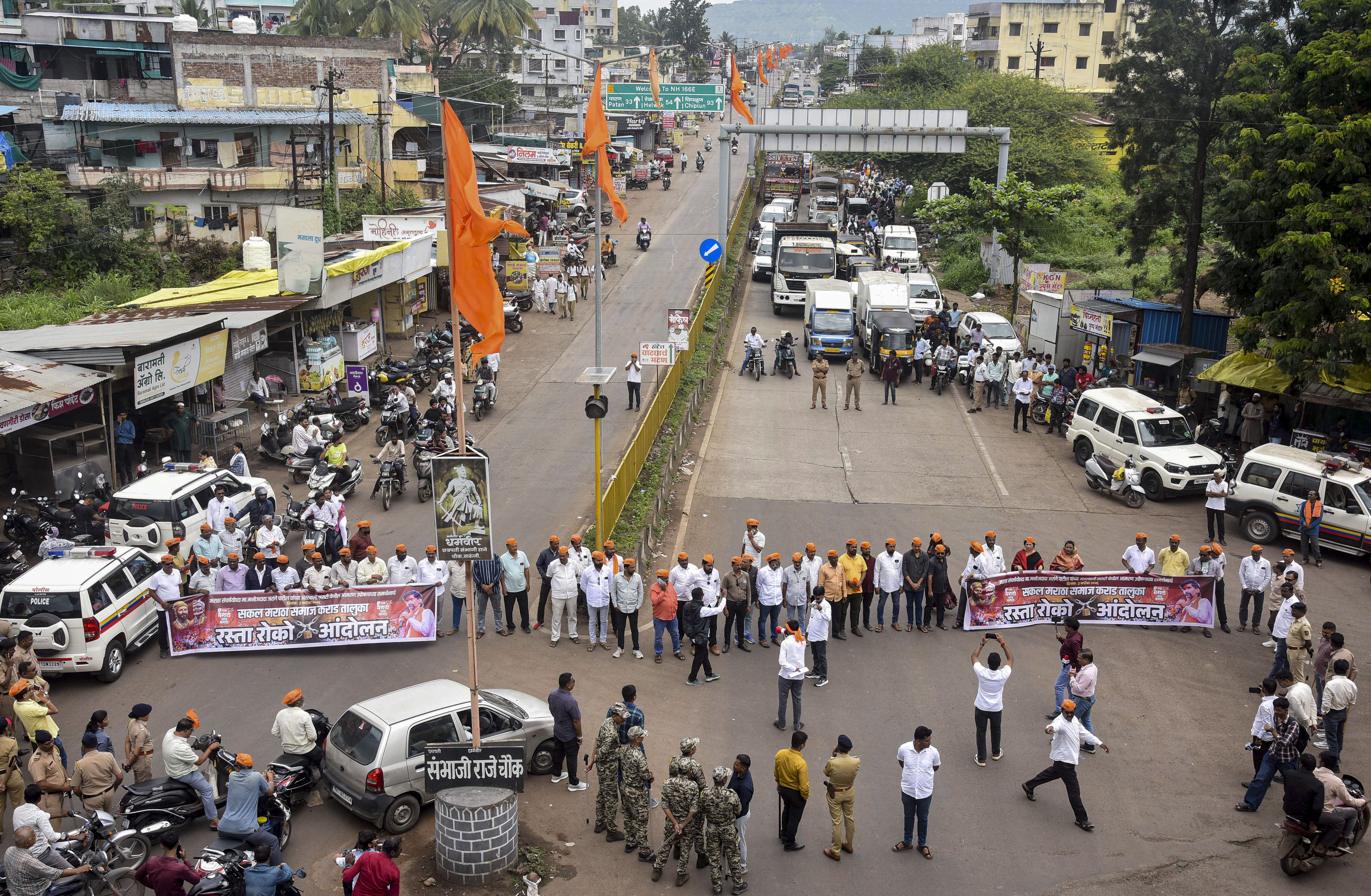
9 hrs ago
Latur Police Launch No DJ, No Dolby Ganpati Initiative

Latur police want people to celebrate Ganpati without very loud sound systems.
They have asked Ganesh mandals not to use DJs or Dolby systems.
The festival will last 10 days and begin on September 14.
Police say loud music can cause noise pollution.
They suggested using traditional instruments instead.
These include dhol-tasha, lezim, halgi and taal-mrudung.
The police want celebrations to be peaceful and disciplined.
Groups that break the noise rules may face legal action.

Latur police directed Ganesh mandals to avoid DJs, Dolby systems and high-volume amplifiers during the festival.
The 10-day Ganpati festival is scheduled to begin on September 14.
Police urged mandals to use traditional instruments including dhol-tasha, lezim, halgi and taal-mrudung.
The initiative aims to keep celebrations within prescribed noise limits and reduce noise pollution.
Superintendent of Police Amol Tambe said violations would lead to legal action.
- Who
- Latur police, Superintendent of Police Amol Tambe and Ganesh mandals in Latur district.
- What
- Police launched a ‘No DJ, No Dolby’ initiative restricting DJs, Dolby systems and other high-volume amplifiers during Ganpati celebrations.
- Where
- Latur district in Maharashtra.
- When
- The directive was issued on September 7; the 10-day festival begins on September 14.
- Why
- To curb noise pollution and keep celebrations within prescribed noise limits in a peaceful and disciplined manner.
Key facts
- Initiative
- ‘No DJ, No Dolby’
- Location
- Latur district, Maharashtra
- Festival duration
- 10 days
- Festival start
- September 14
- Restricted equipment
- DJs, Dolby sound systems and high-volume amplifiers
- Suggested instruments
- Dhol-tasha, lezim, halgi and taal-mrudung
- Enforcement
- Violations may lead to legal action
Quotes
A Latur police official
Police official involved in enforcing noise pollution rules during the festival
“Ganeshotsav should be about joy, not noise; tradition, not pollution. Those violating the rules will face legal action.”
 theprint.in
Sources
Related news
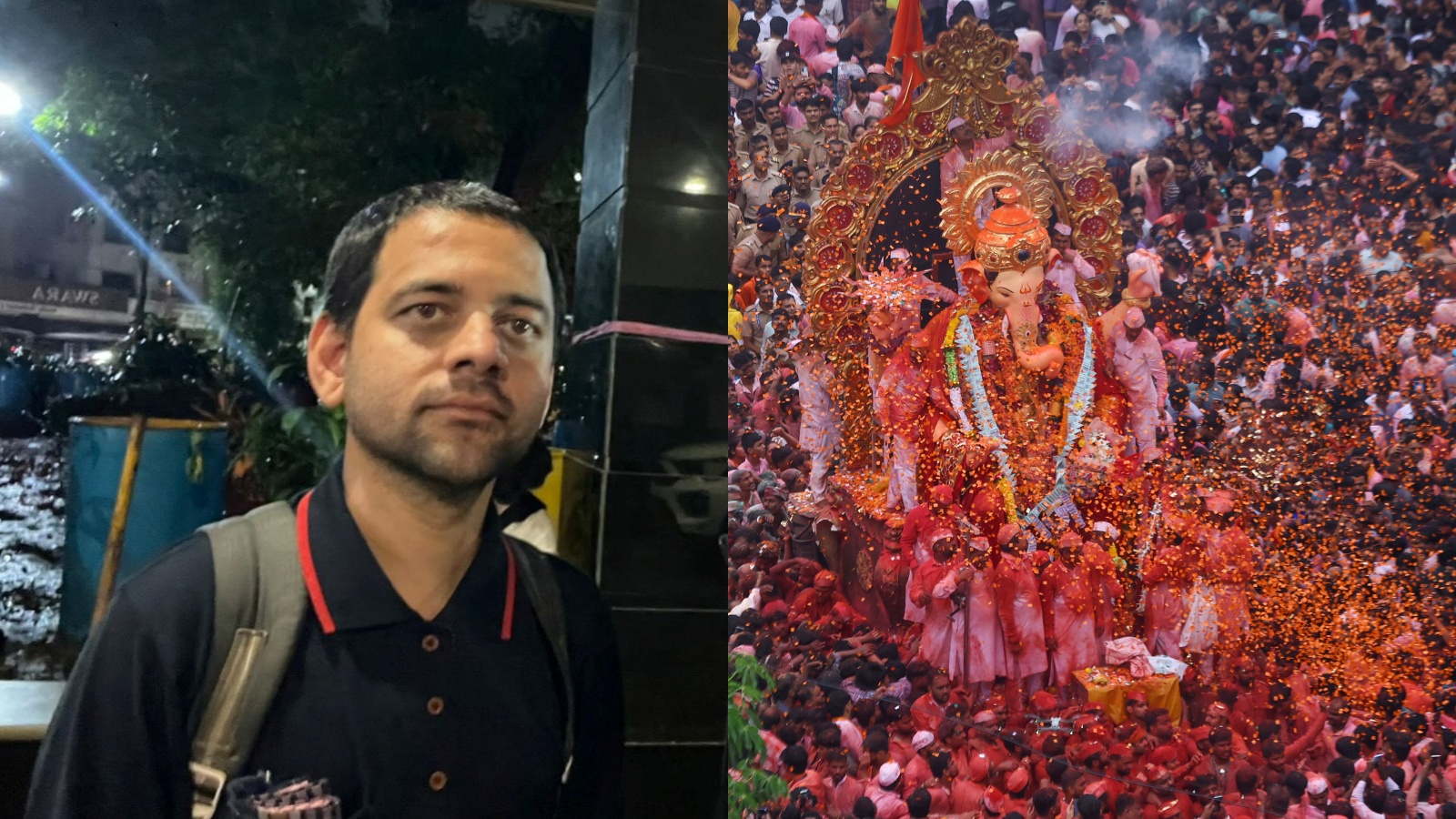
Pune's Ganpati Noise Debate Intensifies After Vidyanand Bapat's Challenge

Pune Police Ban Plasma, Pressure Mid Systems Ahead Of Ganeshotsav
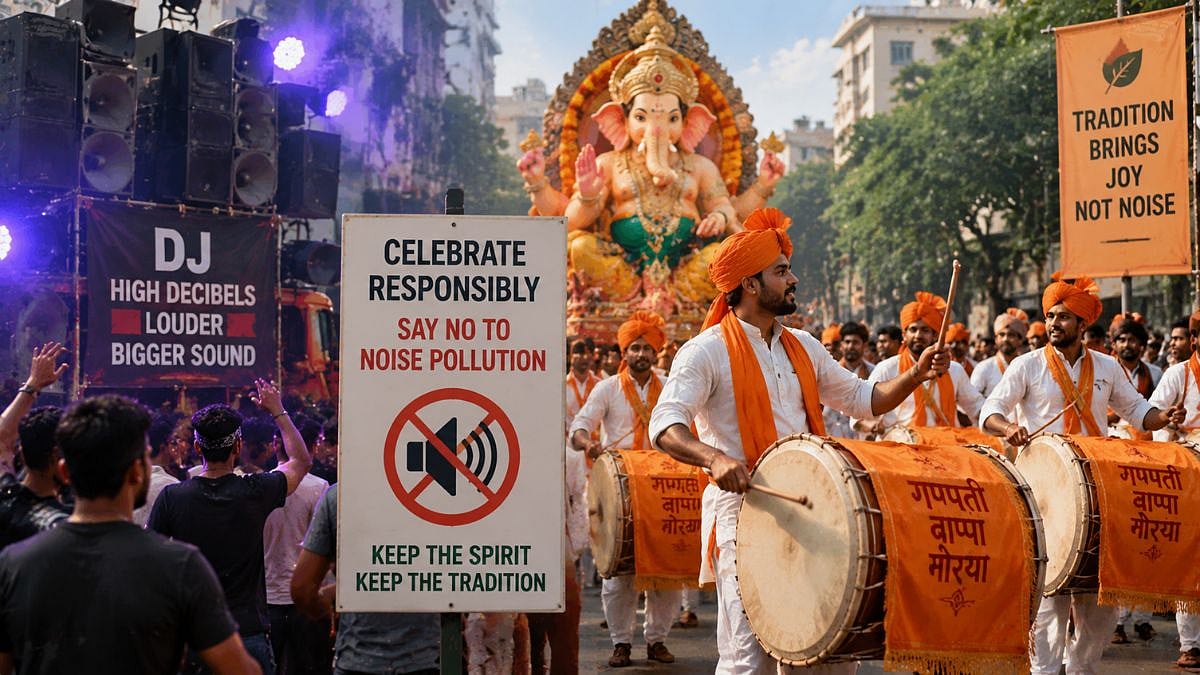
Pune Residents Urge Traditional Ganeshotsav To Curb Noise Pollution
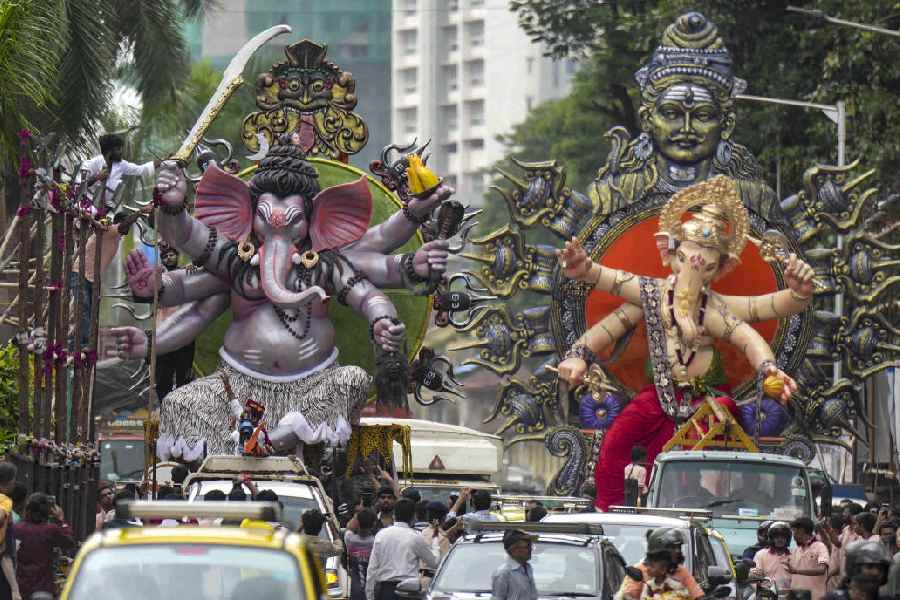
Maharashtra Ministers Push DJ-Free Ganesh Festival Amid Noise Concerns

Pune's 200-Plus Ganesh Mandals Back DJ-Free Ganeshotsav

Nagpur Police Clarify DJ Rules Ahead of Ganesh Festival
Pawar Urges Careful Water Use After Conservation in Latur Villages
Marathwada Reserves Low Reservoir Water Exclusively for Drinking

Abhay Patil Builds Trading Education And Fintech Platforms

Indian Railways Plans 260 Vande Bharat Sleeper Trainsets