

2 hrs ago
Pune Residents Urge Traditional Ganeshotsav To Curb Noise Pollution
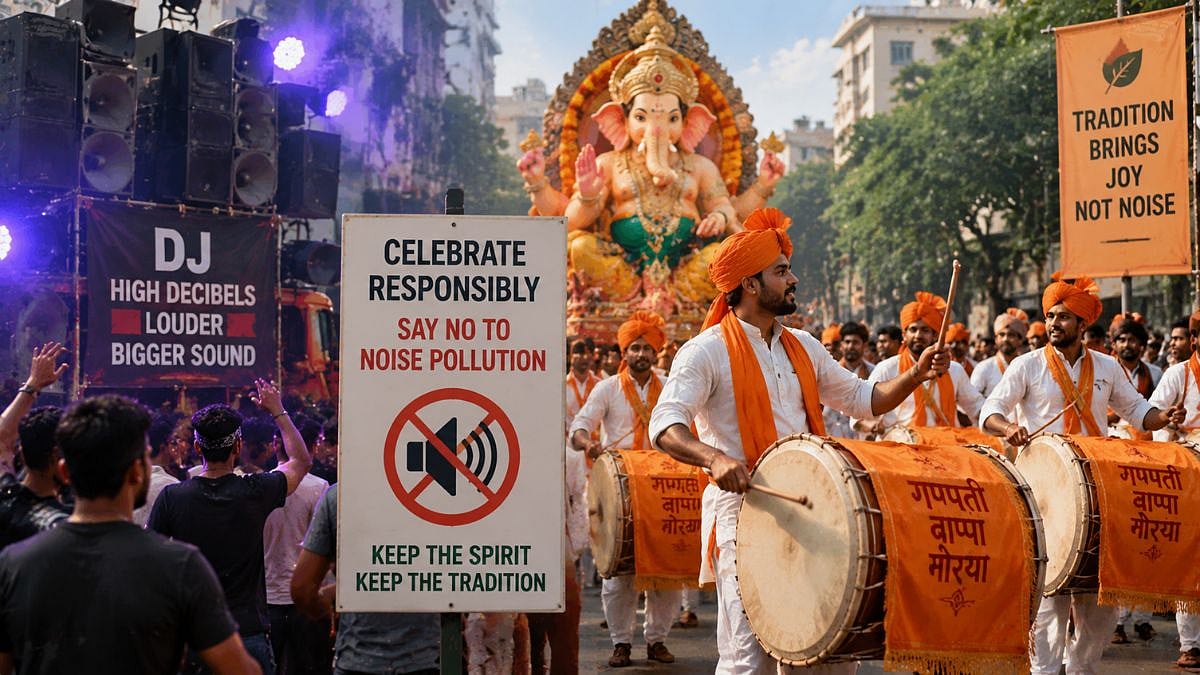
Pune residents want Ganeshotsav celebrations to be quieter.
They are especially concerned about loud DJ and Dolby sound systems.
These systems can be much louder than the limits set for residential areas.
Hospitals and schools have even stricter noise limits.
Residents say traditional dhol-tasha music could let people celebrate without creating as much noise.
Devendra Fadnavis said officials would work toward restricting very loud sound systems.
The article says similar restrictions were already introduced in Mumbai and Nagpur.
A citizen who raised the issue was attacked and later prevented from joining a march because of a reported threat to his life.

Pune residents urged authorities to enforce noise rules during the ten-day Ganeshotsav beginning September 14.
The campaign calls for replacing loudspeaker-DJ and Dolby systems with traditional dhol-tasha celebrations.
Residential noise limits are 55 decibels by day and 45 decibels at night, with lower limits in silence zones.
DJ-Dolby systems reportedly produce 90 to 127 decibels, while immersion processions recently reached peaks of 109 to 111 decibels.
Chief Minister Devendra Fadnavis said agencies would seek consensus on restricting high-decibel systems, while similar restrictions were imposed in Mumbai and Nagpur.
- Who
- Pune residents, activist Vidyanand Bapat, local authorities, and Chief Minister Devendra Fadnavis.
- What
- Residents are urging enforcement of noise rules and a shift from high-decibel DJ-Dolby systems to traditional dhol-tasha celebrations.
- Where
- Pune, with comparable restrictions reported in Mumbai and Nagpur, Maharashtra.
- When
- The ten-day Ganeshotsav is scheduled to begin on September 14; related restrictions in Mumbai and Nagpur run from September 3 through November 1.
- Why
- Residents say excessive festival noise exceeds legal limits, causes distress and medical emergencies, and raises public-health and law-and-order concerns.
Noise Regulation Advocates
High-Volume Celebration Supporters
Festival sound levels
Noise Regulation Advocates
Residents and campaigners say authorities should enforce the Noise Pollution (Regulation and Control) Rules and favor traditional dhol-tasha celebrations.
High-Volume Celebration Supporters
The article describes some celebrants and members of the DJ-Dolby industry as treating high-decibel Ganeshotsav celebrations as a birthright.
Government approach
Noise Regulation Advocates
Campaigners argue that existing noise rules are clear and should be applied directly rather than negotiated with alleged violators.
High-Volume Celebration Supporters
Fadnavis said agencies would build consensus on restricting high-decibel systems in Pune, indicating a consultation-based approach.
Key facts
- Residential noise limits
- Up to 55 decibels during the day and 45 decibels at night.
- High-decibel systems
- DJ-Dolby systems reportedly emit between 90 and 127 decibels continuously for hours.
- Immersion procession levels
- Recent studies recorded peak levels of 109 to 111 decibels during Pune Ganpati immersion processions.
- Traditional alternative
- Residents are urging celebrations featuring traditional dhol-tasha music.
- Pune campaign
- Residents marched to pressure the local administration to regulate festival noise.
- Government response
- Devendra Fadnavis said government agencies would build consensus on restricting high-decibel systems in Pune.
- Other city restrictions
- Police in Mumbai and Nagpur issued restrictions covering high-decibel systems, laser lights, and modified chariots from September 3 through November 1.
Sources
Related news

Pune Police Ban Plasma, Pressure Mid Systems Ahead Of Ganeshotsav
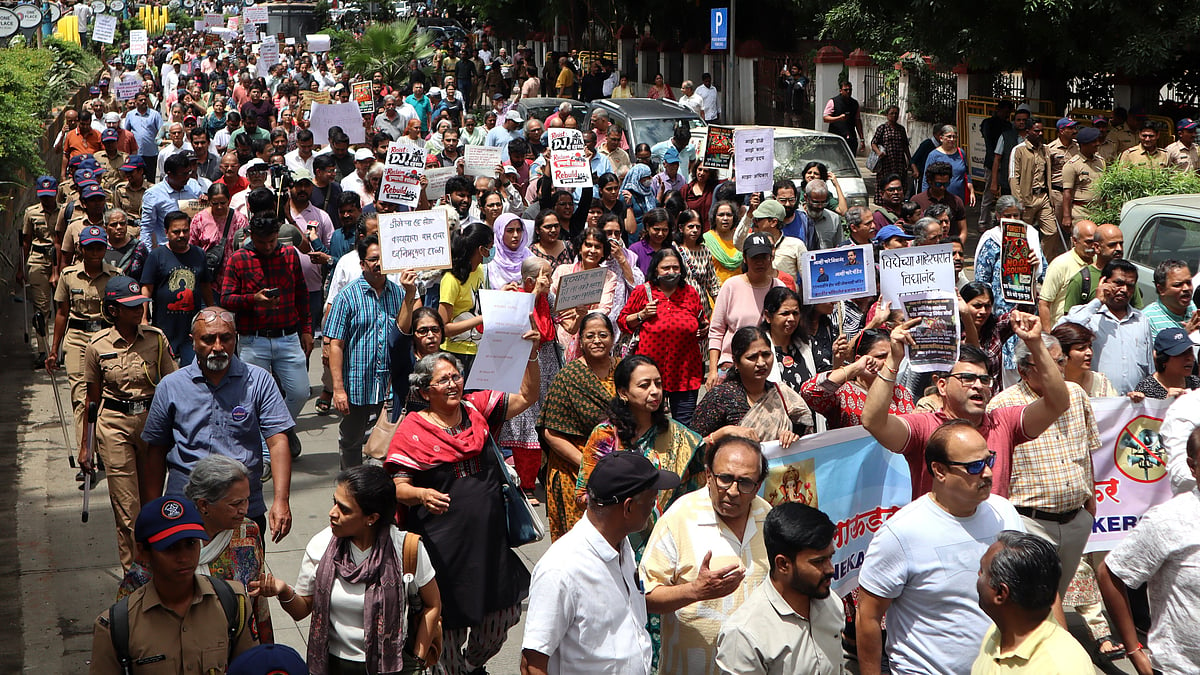
Punekars March To PMC Seeking Ban On Festival DJs

Murlidhar Mohol Backs Traditional Sounds, Limits Ganeshotsav Noise

Latur Police Launch No DJ, No Dolby Ganpati Initiative
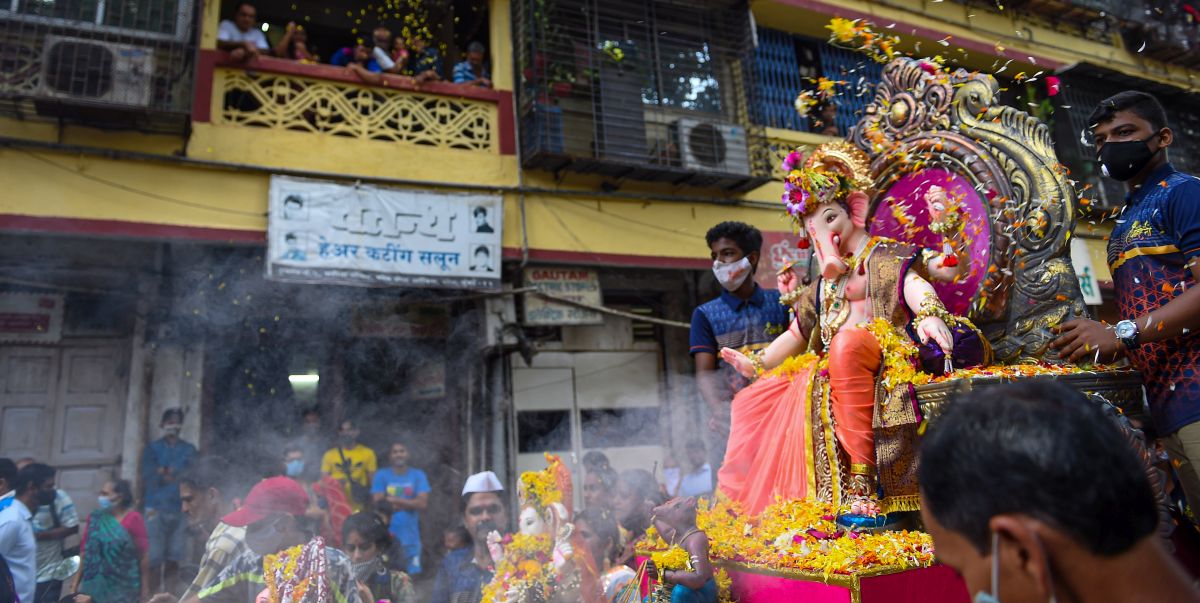
Punekars Demand DJ Ban as Ganesh Festival Debate Intensifies
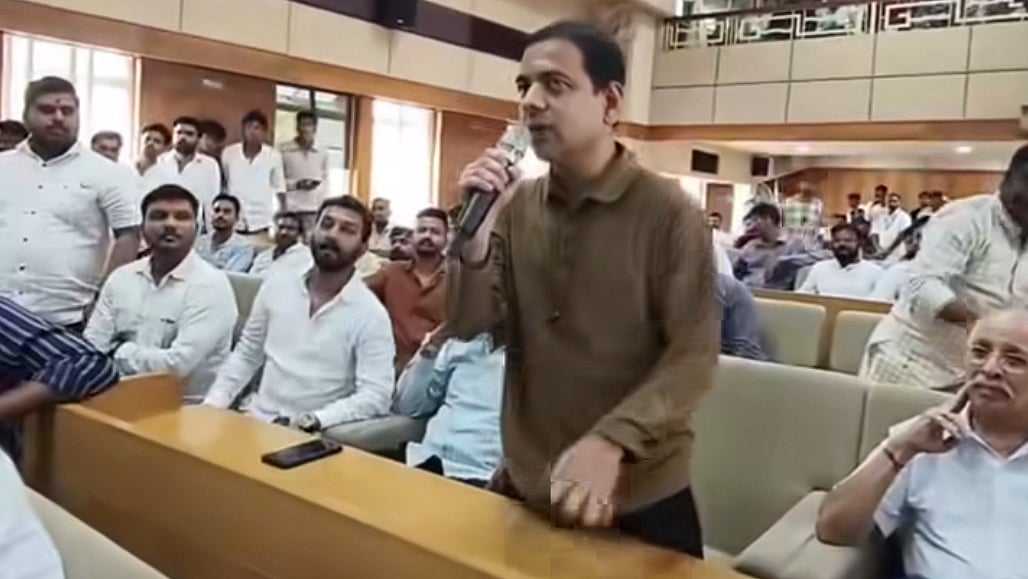
Pune DJ Ban Demand Sparks Ganeshotsav Noise Pollution Row
Sanjay Dutt’s Marathi Jail Quip Escalates Maharashtra Language Row
Modi to Inaugurate Global Fintech Fest 2026 in Mumbai
MPSC Aspirants Demand Accountability After Pune Examination Protests
Maharashtra Announces Maratha Benefits as Jarange Patil Continues Hunger Strike
