1 week ago
District Collectors Gain Direct CAA Citizenship Powers Across Eight Regions
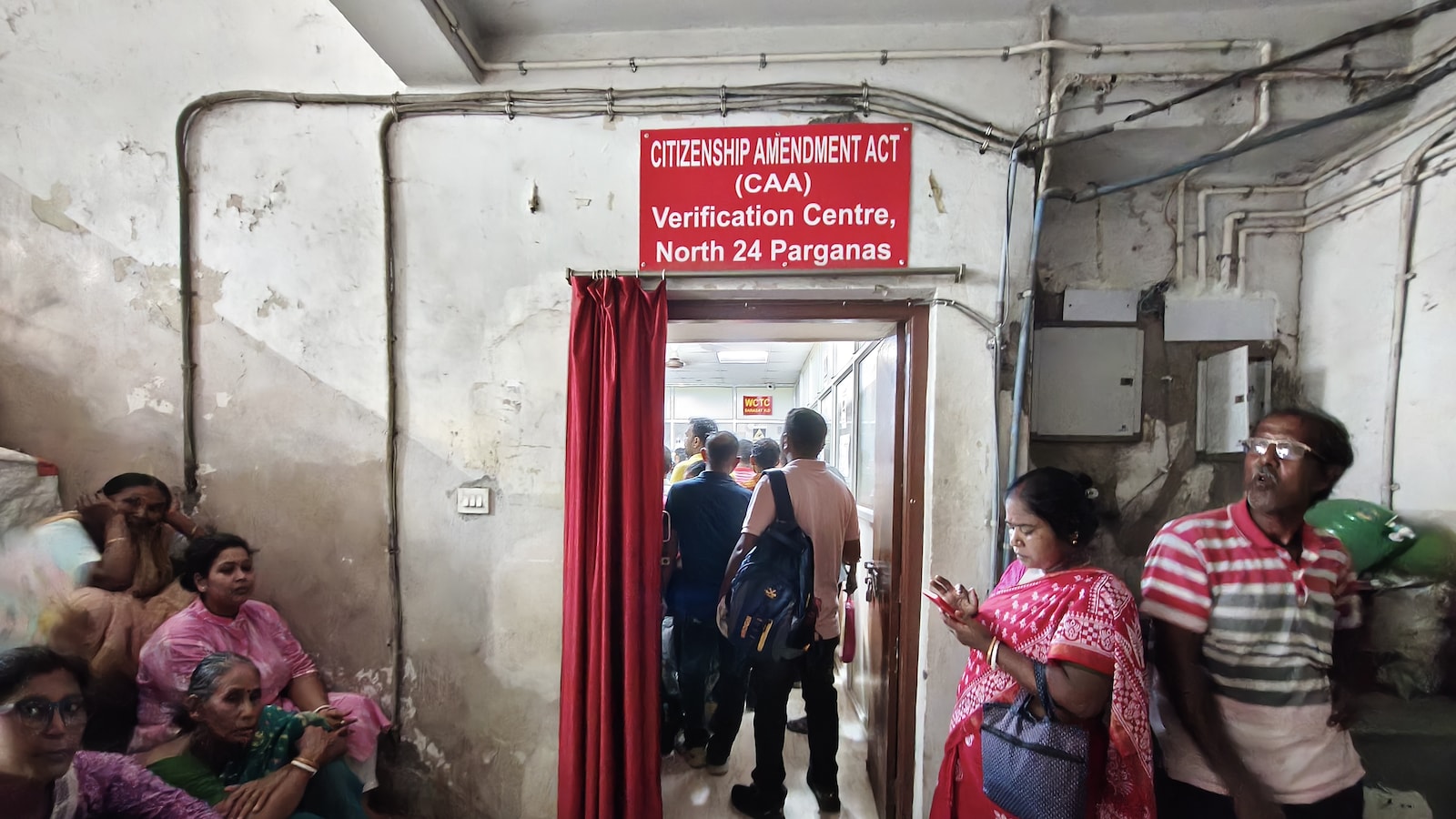
India has changed how some citizenship applications are decided.
District Collectors can now handle these applications directly.
They can check documents, make enquiries, administer an oath, and approve or reject applications.
This applies in six states and two Union Territories.
Notified tribal areas in Assam and Tripura are not included.
Applications already waiting with committees will be moved to the appropriate Collector.
An applicant may be rejected for not appearing to sign the application and take the oath after reasonable opportunities.
The change is meant to reduce delays by removing several layers of review.
The eligibility requirements under the CAA have not changed.

District Collectors can now receive, scrutinise, approve or reject CAA citizenship applications.
The system covers Gujarat, Rajasthan, Punjab, West Bengal, Assam, Tripura, Jammu and Kashmir, and Ladakh.
Notified tribal areas in Assam and Tripura are excluded from the Collector-led arrangement.
Pending applications before Empowered and District Level Committees will transfer to the relevant Collector.
The Citizenship (Third Amendment) Rules, 2026, took effect on August 19 upon Gazette publication.
- Who
- District Collectors and applicants eligible under Section 6B of the Citizenship Act, 1955.
- What
- The Citizenship (Third Amendment) Rules, 2026, give District Collectors direct authority to receive, examine, grant or reject certain citizenship applications.
- Where
- Gujarat, Rajasthan, Punjab, West Bengal, Assam, Tripura, Jammu and Kashmir, and Ladakh; notified tribal areas in Assam and Tripura are excluded.
- When
- The rules were notified by the Ministry of Home Affairs and took effect on August 19, 2026, upon publication in the Official Gazette.
- Why
- The Centre says the Collector-led system is intended to simplify the process and reduce delays by replacing the committee-based arrangement.
Key facts
- Legal basis
- Applications under Section 6B of the Citizenship Act, 1955.
- New competent authority
- The District Collector concerned.
- Covered states
- Gujarat, Rajasthan, Punjab, West Bengal, Assam and Tripura.
- Covered Union Territories
- Jammu and Kashmir and Ladakh.
- Excluded areas
- Notified tribal areas of Assam and Tripura.
- Pending applications
- Cases before Empowered Committees and District Level Committees will be transferred to the relevant Collector.
- CAA eligibility
- The route applies to eligible Hindus, Sikhs, Buddhists, Jains, Parsis and Christians from Pakistan, Bangladesh and Afghanistan who entered India on or before December 31, 2014.
Quotes

Ministry of Home Affairs notification
The government notification establishing the Collector’s authority under the amended Citizenship Rules
“The Collector on being satisfied with the suitability of the applicant that he is a fit and proper person to be registered or naturalised, as the case may be, shall grant him the citizenship of India.”
 thestatesman.com
Sources

Related news

District Collectors Gain Citizenship Powers Across Eight Regions
MHA Excludes Eight Regions From 2024 CAA Order
West Bengal Says 10% CAA Applicants Received Citizenship Certificates
West Bengal Issues 23,000 CAA Citizenship Certificates, Hearings Near End

High Court Sets Aside Chandigarh Police Promotion Rules
Hyderabad Electoral Roll Revision Opens Claims and Objections

Bangladesh Recall Shanto, Mahmud for Asian Games T20 Squad

Sharma and Malik Share Halfway Lead at Golconda Masters

India Replaces Sri Lanka as 2027 Women’s Champions Trophy Host

Centre Assures JDU Bihar’s Interests In Farakka Treaty Decision

India’s Record Wheat Harvest Opens $1.5 Billion Export Window