4 days ago
Modi’s Trump Call Seeks to Balance Tariffs, Energy and Strategy
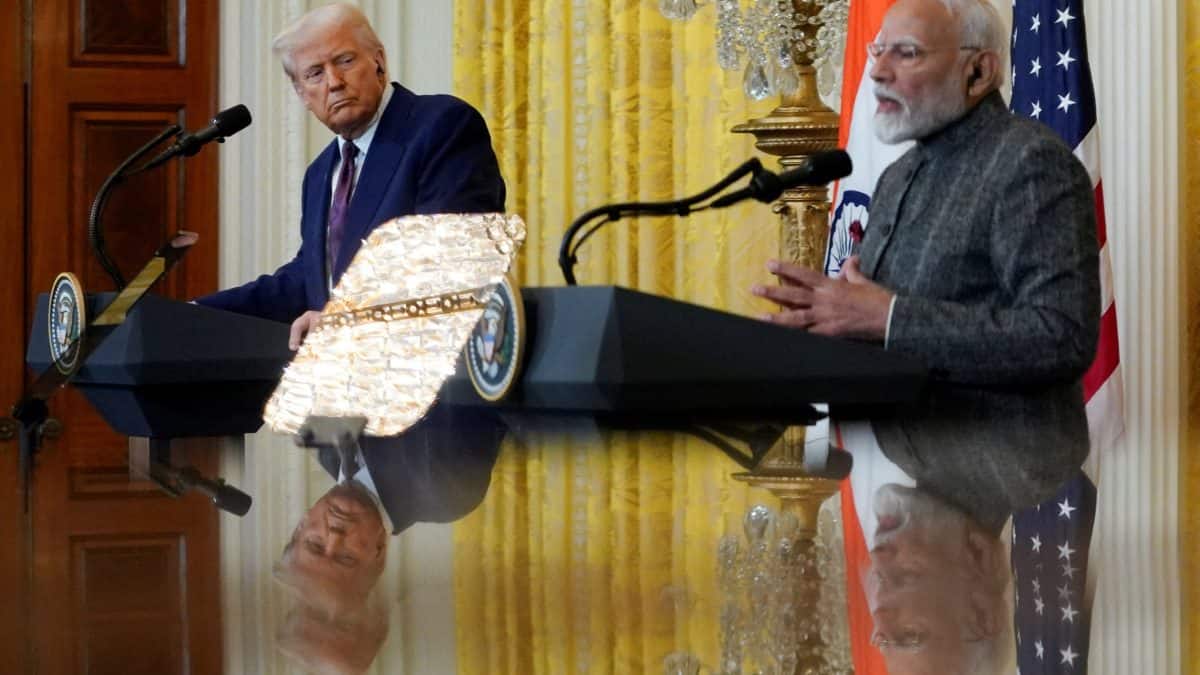
India’s prime minister, Narendra Modi, called US President Donald Trump on September 30, 2026.
They discussed trade, energy, defence, technology and world peace.
The article says India was worried about a new US law that could lead to very high tariffs on countries buying Russian oil and gas.
India buys Russian oil, which the article says helps meet its energy needs.
The call was also an opportunity to keep trade talks and other partnerships moving.
India wants to work with the United States, but also wants to make its own decisions about energy and foreign policy.
The article describes the relationship as important but strained by disagreements.
It argues that direct talks can help the two countries manage those disagreements.

The article says Narendra Modi initiated a September 30, 2026, call with Donald Trump, which official readouts described as productive.
The leaders discussed trade, defence, energy, critical technologies and global peace, according to the readouts.
The article identifies a US law signed by Trump less than two weeks earlier as a key concern: it allows tariffs of up to 100% on countries continuing to import Russian oil and gas.
It argues India used the call to address tariff risks while keeping wider trade negotiations and strategic cooperation on track.
The article says India seeks to protect its energy and foreign-policy autonomy while maintaining access to US markets and cooperation amid geopolitical tensions.
- Who
- Indian Prime Minister Narendra Modi and US President Donald Trump.
- What
- A telephone conversation covering trade, defence, energy, critical technologies and global peace.
- Where
- A telephone conversation; no physical location is specified.
- When
- September 30, 2026.
- Why
- The article argues that Modi sought to address tariff and energy concerns while sustaining broader strategic and trade cooperation.
Pressure and autonomy concerns
Engagement and shared interests
US tariffs and energy pressure
Pressure and autonomy concerns
The article presents critics’ view that US tariffs and pressure over Russian energy imports amount to economic arm-twisting and threaten India’s policy autonomy.
Engagement and shared interests
The article argues that India must continue engaging with the United States because trade, technology, energy and geopolitical ties make a break in relations impractical.
India’s response
Pressure and autonomy concerns
Critics cited in the article contend that earlier Indian concessions to US demands may have encouraged Washington to increase its demands.
Engagement and shared interests
The article describes India as seeking a balance: asserting its energy and foreign-policy autonomy while using direct diplomacy to protect trade and strategic cooperation.
Key facts
- Call date
- September 30, 2026
- Initiated by
- The Indian side, according to the article
- Official description
- The PMO characterised the talks as “productive.”
- Topics discussed
- Trade, defence, energy, critical technologies and global peace
- Sanctions legislation
- The article says Trump signed the Lindsey O. Graham Sanctioning Russia and Iran Act of 2026 less than two weeks before the call.
- Potential tariffs
- The article says the law empowers the US executive branch to impose tariffs of up to 100% on countries continuing to import Russian oil and gas.
- Bilateral trade
- The article puts India-US bilateral trade at more than $140 billion.
Sources
Related news
Modi, Trump Review Ties Amid New Russia Sanctions Law
Modi and Trump Discuss Trade as New Tariffs Loom
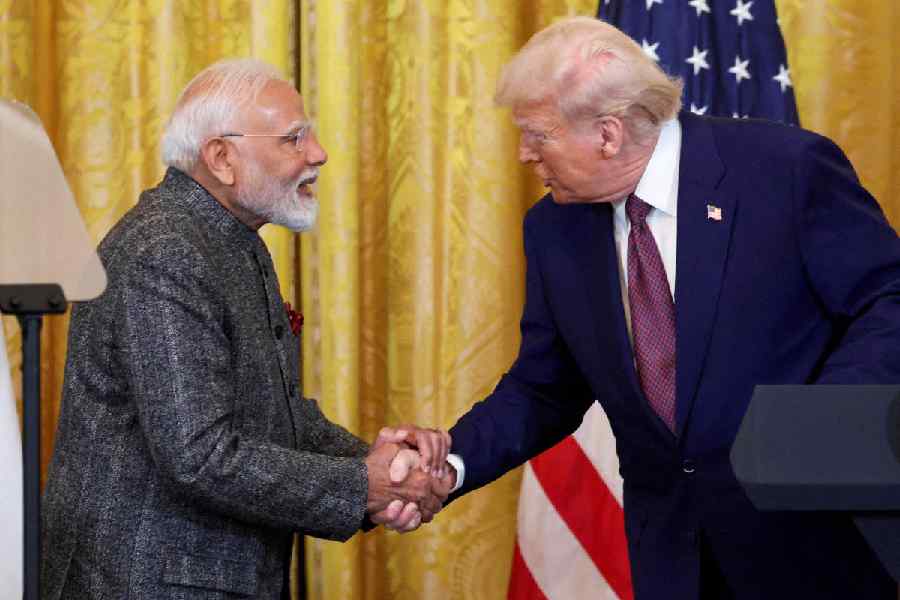
India-US Trade Talks Continue as Modi-Trump Call Omits Sanctions

India’s Russian Oil Ties Face Trump’s Tariff Pressure
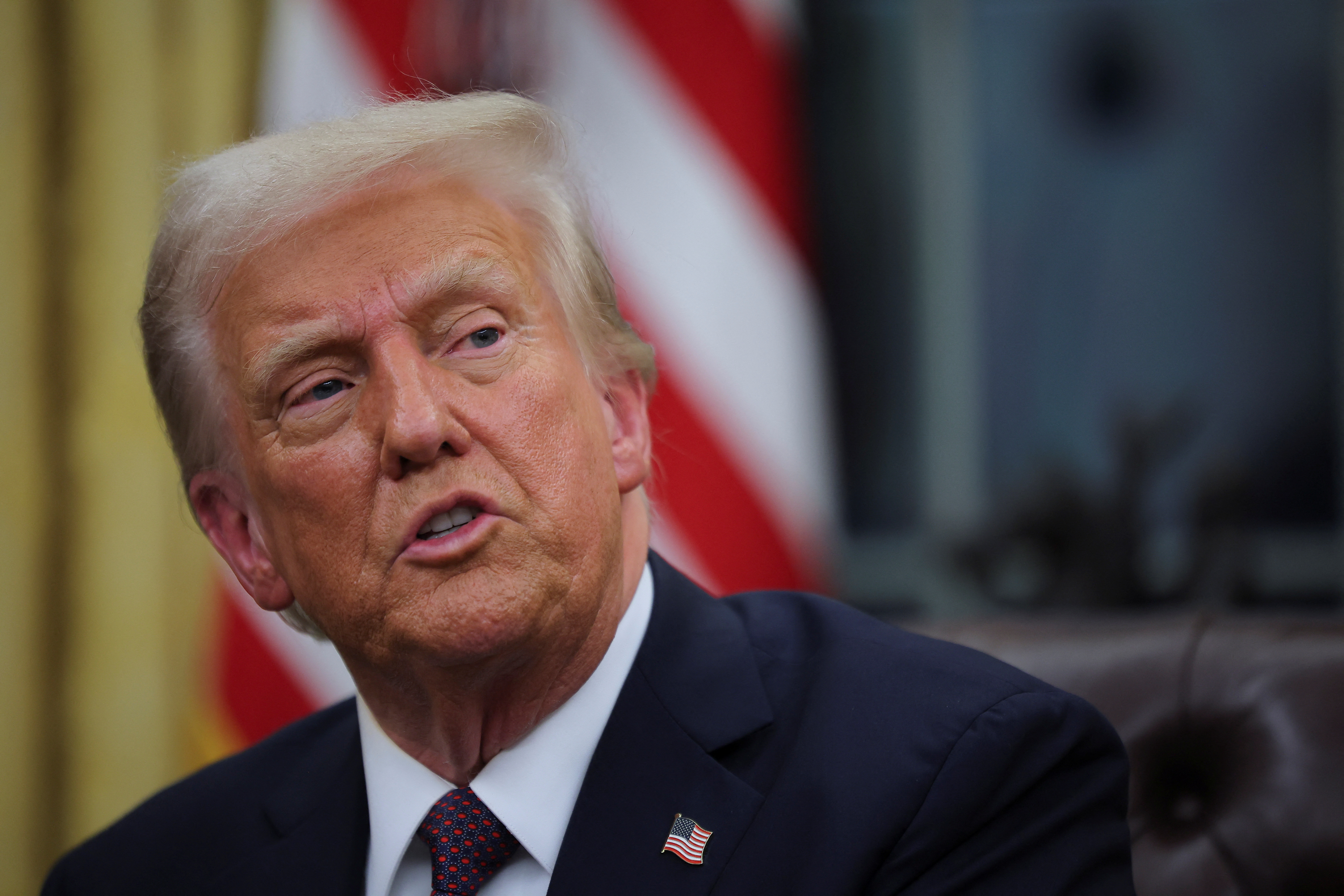
India Rejects US Pressure Over Russian Oil Purchases
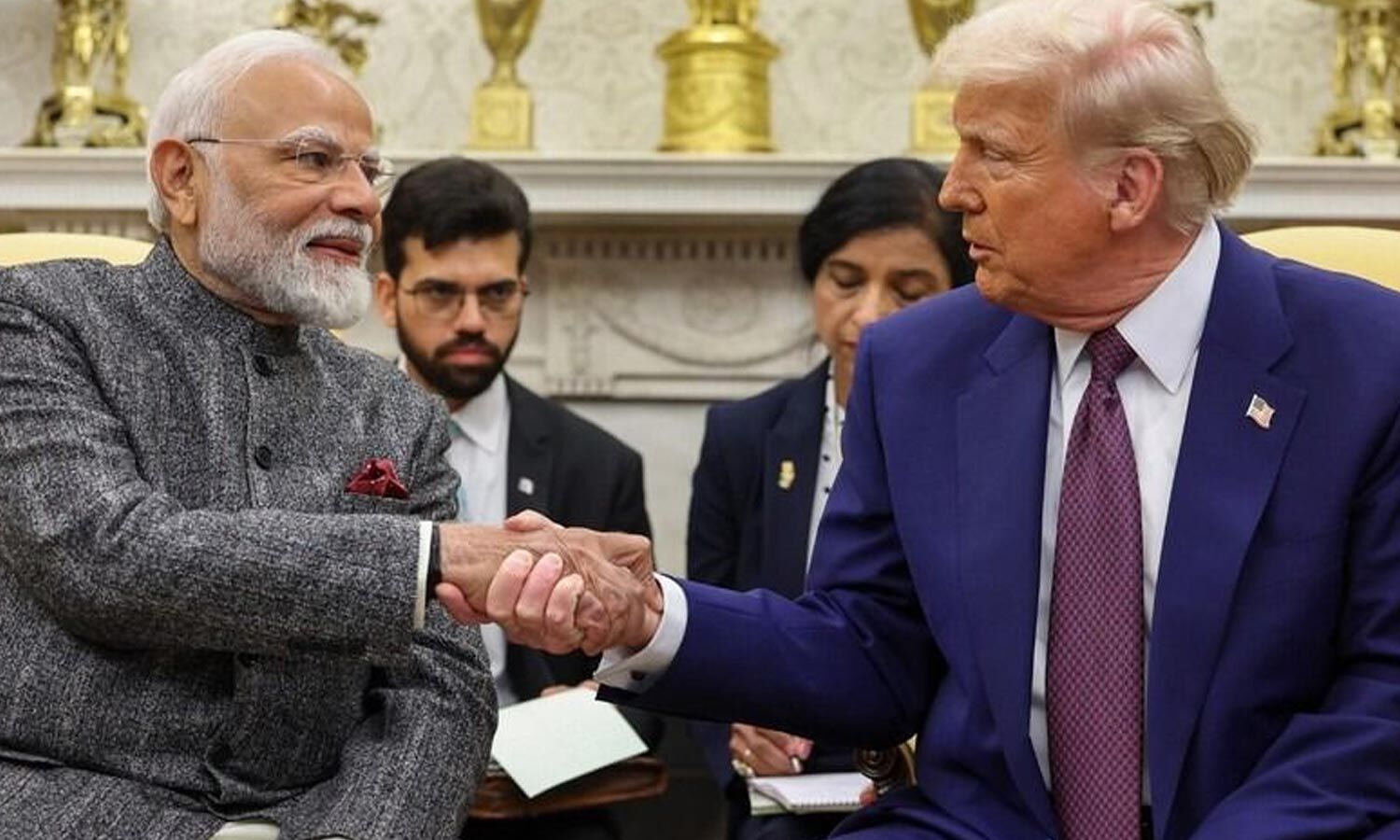
Modi and Trump review trade, energy and strategic cooperation

DDA Seeks Transaction Advisors for Delhi JJ Cluster Rehabilitation
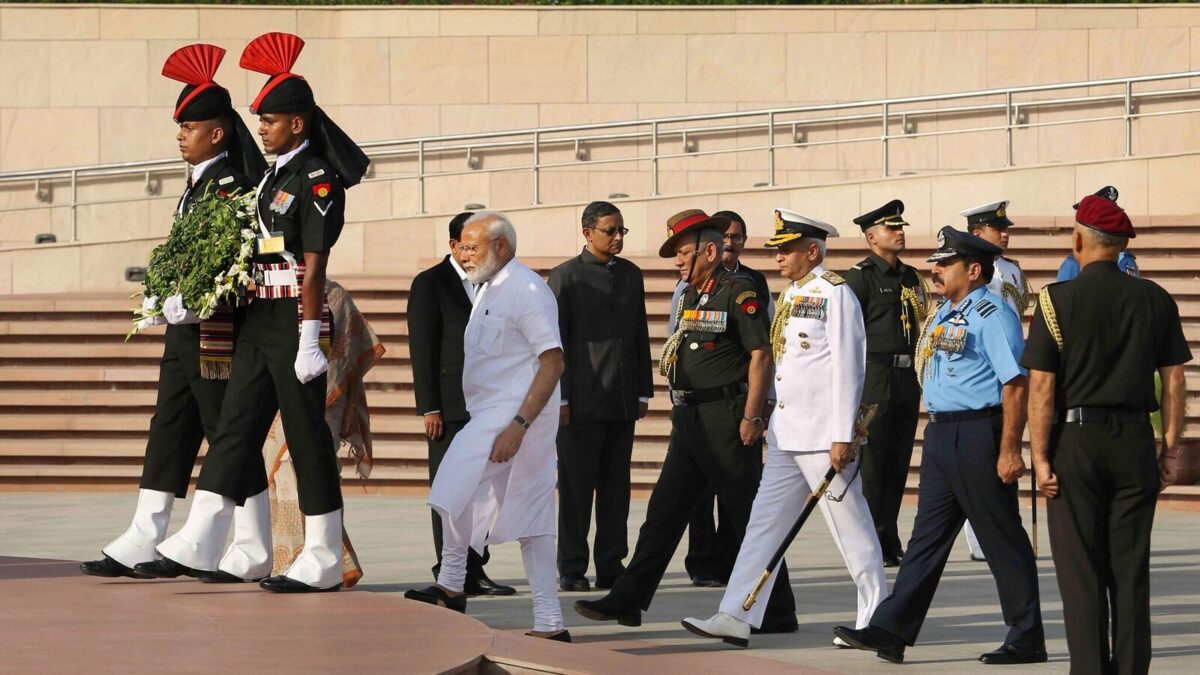
India’s Military Responses Expanded From Uri to Sindoor
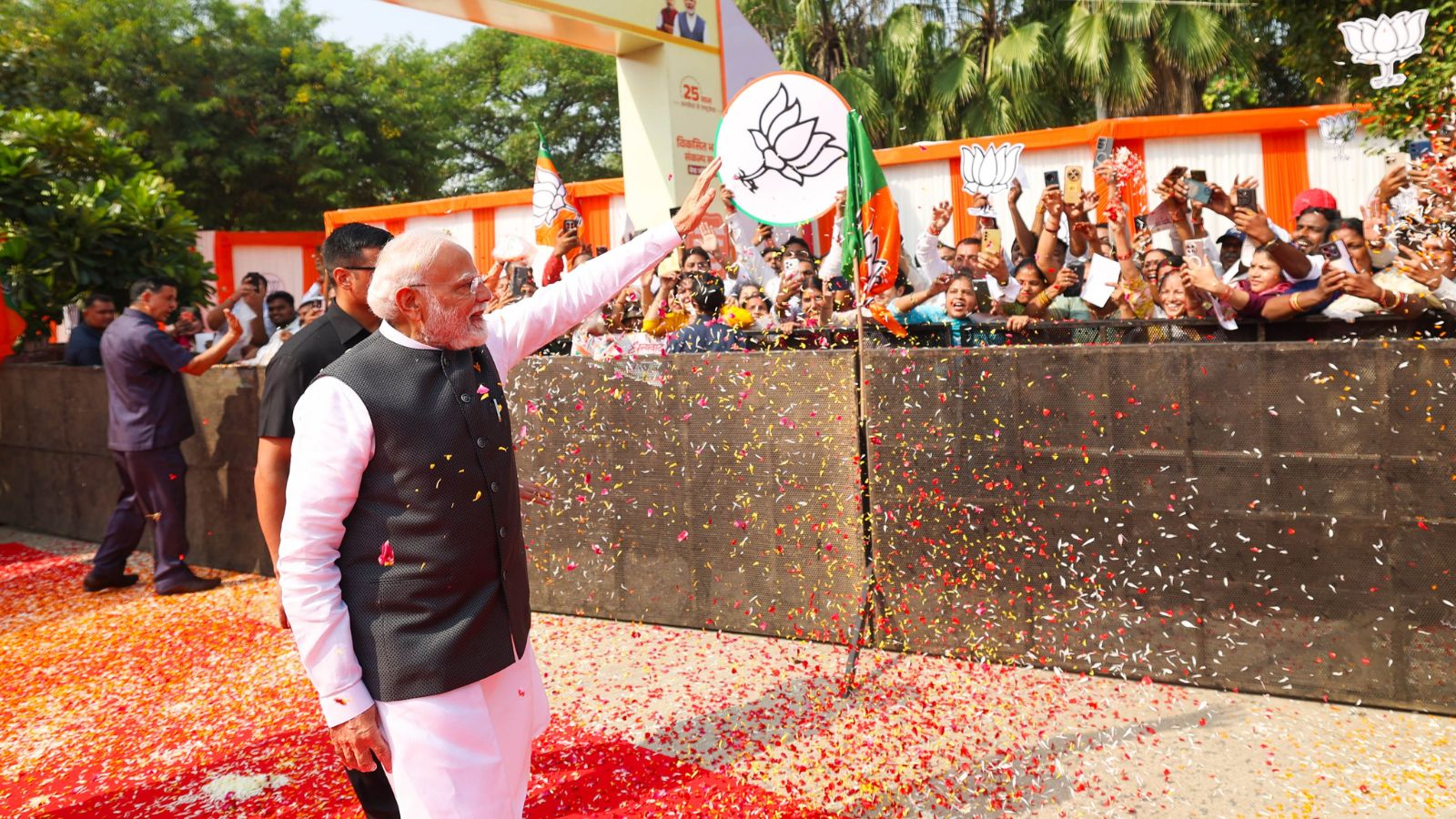
Modi Marks 25 Years in Public Life, Pledges Developed India

Dhami Congratulates Modi on 25 Years in Public Service
Naidu Seeks Delhi Approvals for Metro, Projects and Relief