6 days ago
Modi and Trump Discuss Trade as New Tariffs Loom
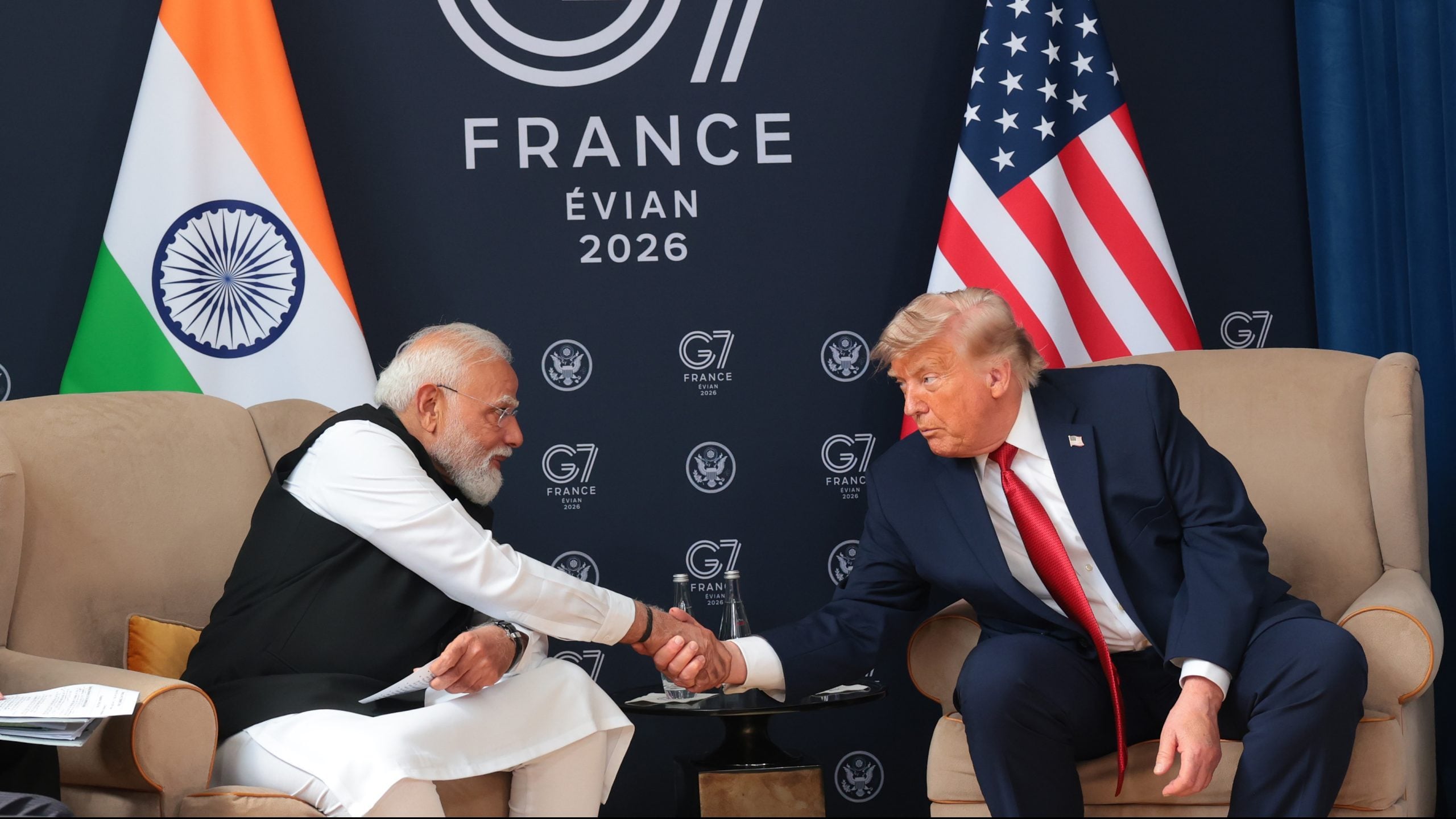
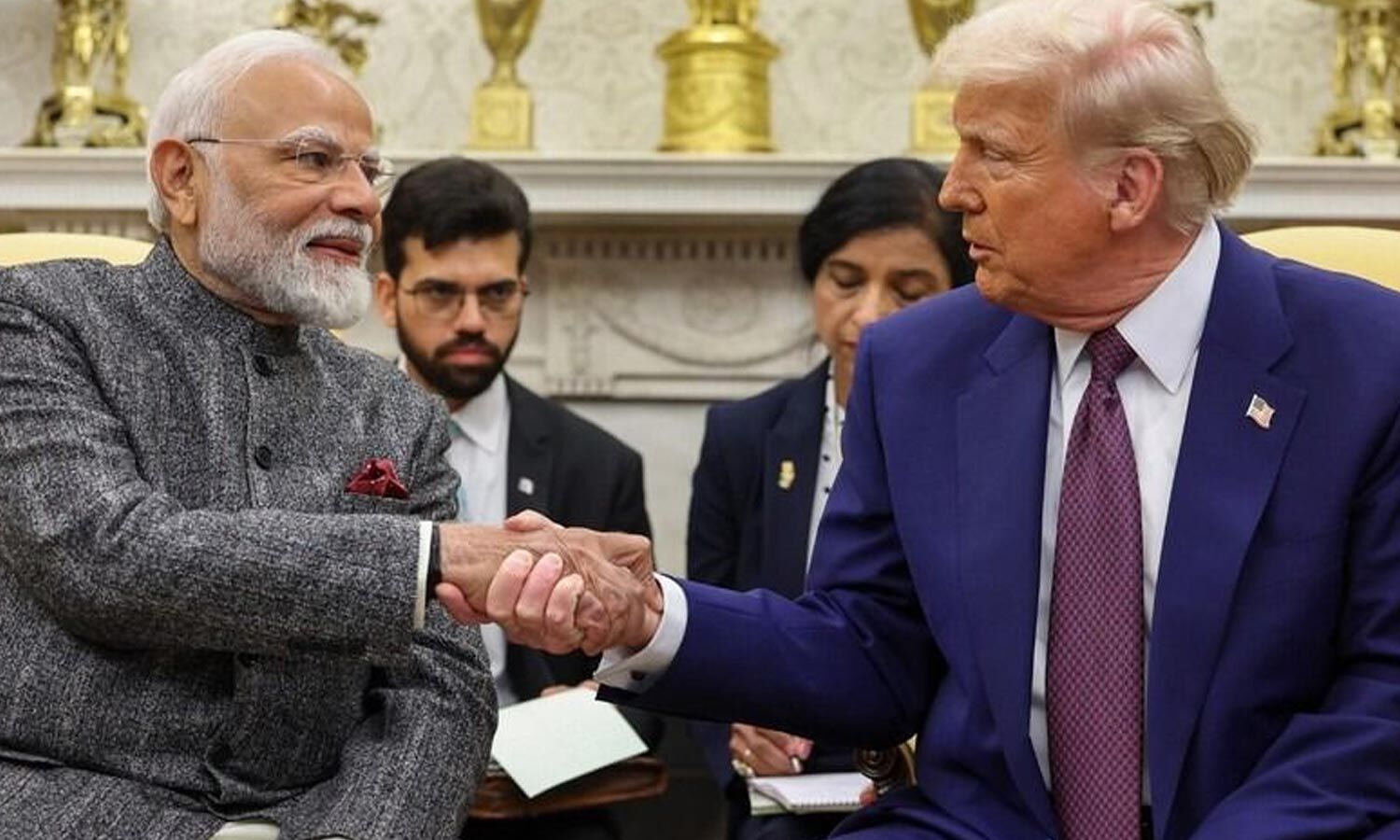
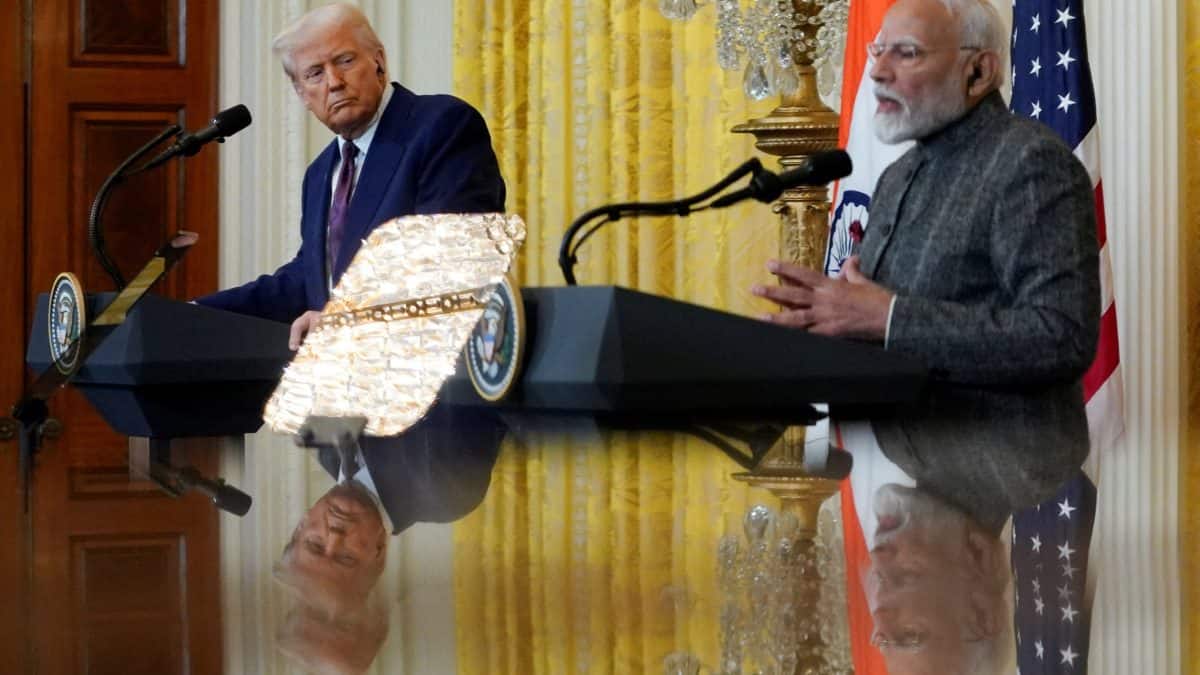
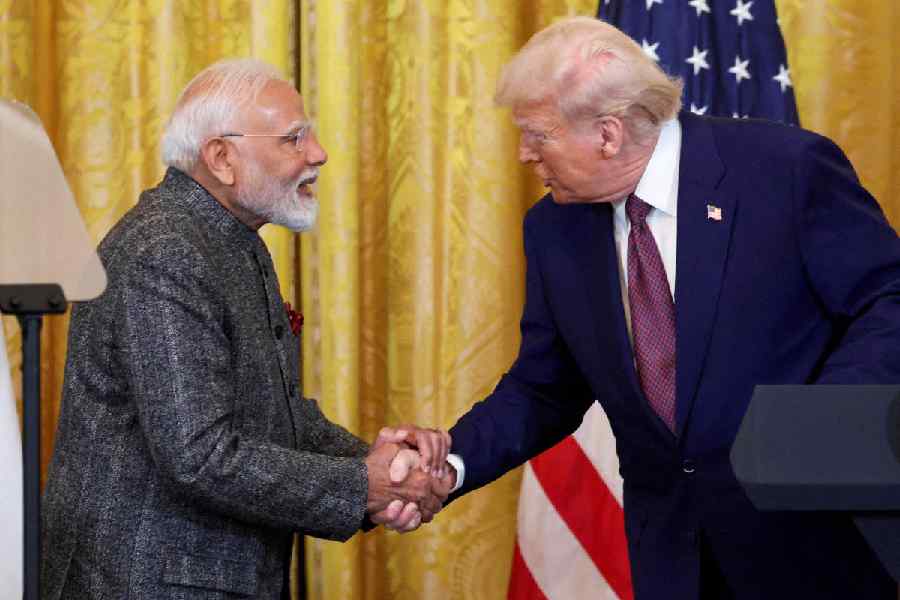
Indian Prime Minister Narendra Modi and US President Donald Trump spoke by phone for the first time since June.
They talked about working together on defense, trade, energy, and important technologies.
The two countries are also trying to finish a smaller trade agreement.
Their larger trade agreement is not finished yet.
A new US law could lead to very high tariffs on countries that buy Russian oil and gas.
India says those tariffs could hurt its relationship with the United States and affect energy markets.
The countries have also disagreed about whether Trump helped end fighting between India and Pakistan.
At home, Indian opposition parties are planning protests over changes to electoral rolls.

Narendra Modi and Donald Trump discussed defense, trade, energy, and critical technologies in their first call since June.
The leaders reaffirmed their commitment to the India-US Comprehensive Global Strategic Partnership and agreed to maintain close engagement.
India and the United States are still negotiating an interim trade deal, with broader agreement talks unfinished.
A new US law could allow tariffs of up to 100% on countries buying Russian oil and gas, which India says could harm bilateral ties and global energy markets.
India’s opposition parties plan nationwide protest marches over a controversial electoral-roll overhaul and are calling for the top election official’s removal.
- Who
- Indian Prime Minister Narendra Modi and US President Donald Trump, with trade officials from both countries also involved.
- What
- The leaders discussed bilateral cooperation and trade negotiations amid potential new US tariffs.
- Where
- The call was between India and the United States; Goyal met his US counterpart on the sidelines of a G20 trade ministers’ meeting in Milwaukee.
- When
- The phone call took place Wednesday, and it was their first call since June; Piyush Goyal’s trade discussions were reported Thursday.
- Why
- To advance the bilateral strategic partnership, discuss regional and international issues, and address ongoing trade and tariff concerns.
Indian Position
US Position and Claims
Potential tariffs on Russian energy buyers
Indian Position
India warns that tariffs of up to 100% could hurt India-US relations and disrupt global energy markets.
US Position and Claims
A new US law gives Donald Trump the power to impose such levies on countries that buy Russian oil and gas.
Mediation of India-Pakistan fighting
Indian Position
New Delhi repeatedly disputes Donald Trump’s claim that he helped mediate an end to fighting between India and Pakistan.
US Position and Claims
Trump has claimed a role in helping mediate the end of the fighting.
India’s electoral-roll changes
Indian Position
Indian opposition parties say the overhaul is controversial and plan protests calling for the top election official’s removal.
US Position and Claims
The article does not provide the government’s response to those opposition claims.
Key facts
- First call since
- June
- Topics discussed
- Defense, trade, energy, critical technologies, regional and international developments
- Interim trade deal
- India and the United States are seeking to finalize one, while broader agreement talks remain unfinished
- Potential tariff authority
- A new US law gives Donald Trump power to impose levies of up to 100% on countries buying Russian oil and gas
- India’s concern
- Such measures could damage bilateral ties and disrupt global energy markets
- Trade meeting
- Piyush Goyal met his US counterpart during a G20 trade ministers’ meeting in Milwaukee
- Domestic political pressure
- Indian opposition parties plan protest marches over a controversial electoral-roll overhaul
Quotes

Indian government
The Indian government, in a statement about the leaders’ phone call
“reaffirmed their commitment to advancing the India-US Comprehensive Global Strategic Partnership and agreed to maintain close engagement to deepen cooperation”
 theprint.in
“exchanged views on regional and international developments and discussed ongoing efforts to promote global peace and security”
theprint.in
Sources
Related news
Modi, Trump Review Ties Amid New Russia Sanctions Law
Modi, Trump Discuss Trade as India Seeks Interim Deal

Modi and Trump Review India-US Trade and Strategic Ties
Modi and Trump review trade, energy and strategic cooperation
Modi’s Trump Call Seeks to Balance Tariffs, Energy and Strategy
India-US Trade Talks Continue as Modi-Trump Call Omits Sanctions
Tsering Says US Support for Tibet Remains Strong
Jaishankar and US Pacific Commander Discuss Indo-Pacific Maritime Security
US Bureaucracy Constrains Trump's Pakistan Outreach Despite Political Signals
India, US Deepen Defence Cooperation Amid Indo-Pacific Security Shifts