6 hrs ago
US-Iran Standoff Deepens Ahead of Midterm Elections
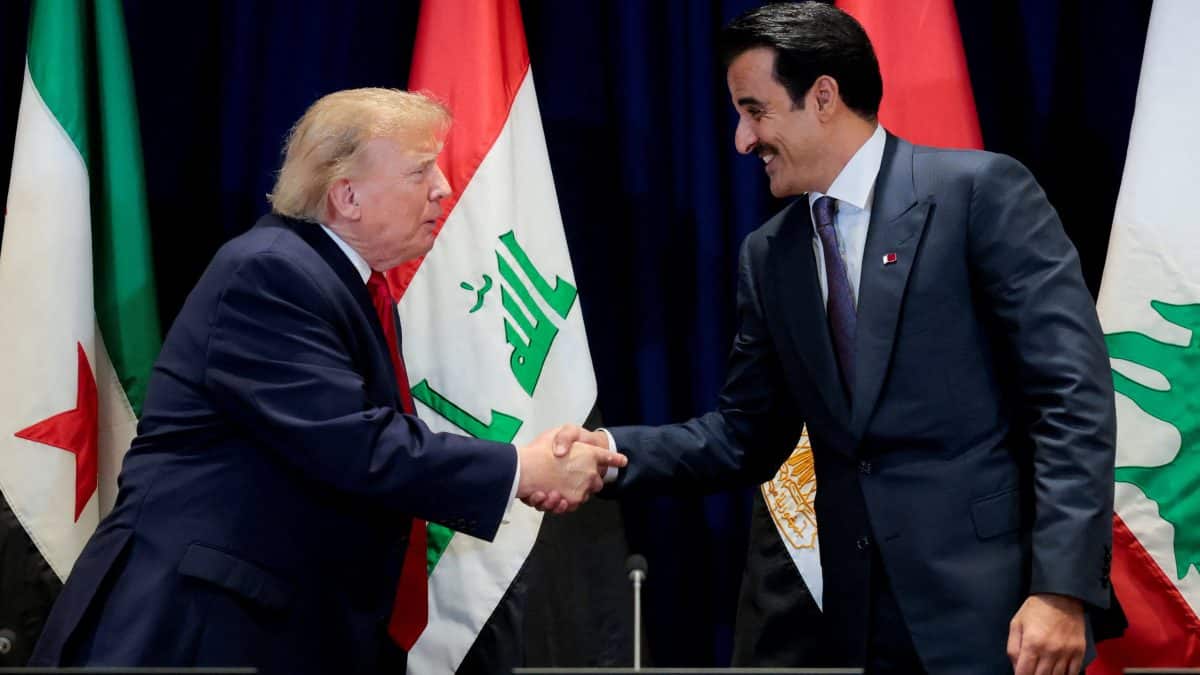
The United States and Iran are trying to make a deal, but they disagree about what should happen first.
Iran wants the United States to ease its blockade and sanctions before discussing nuclear issues.
The United States wants Iran to limit its nuclear activities and allow inspections first.
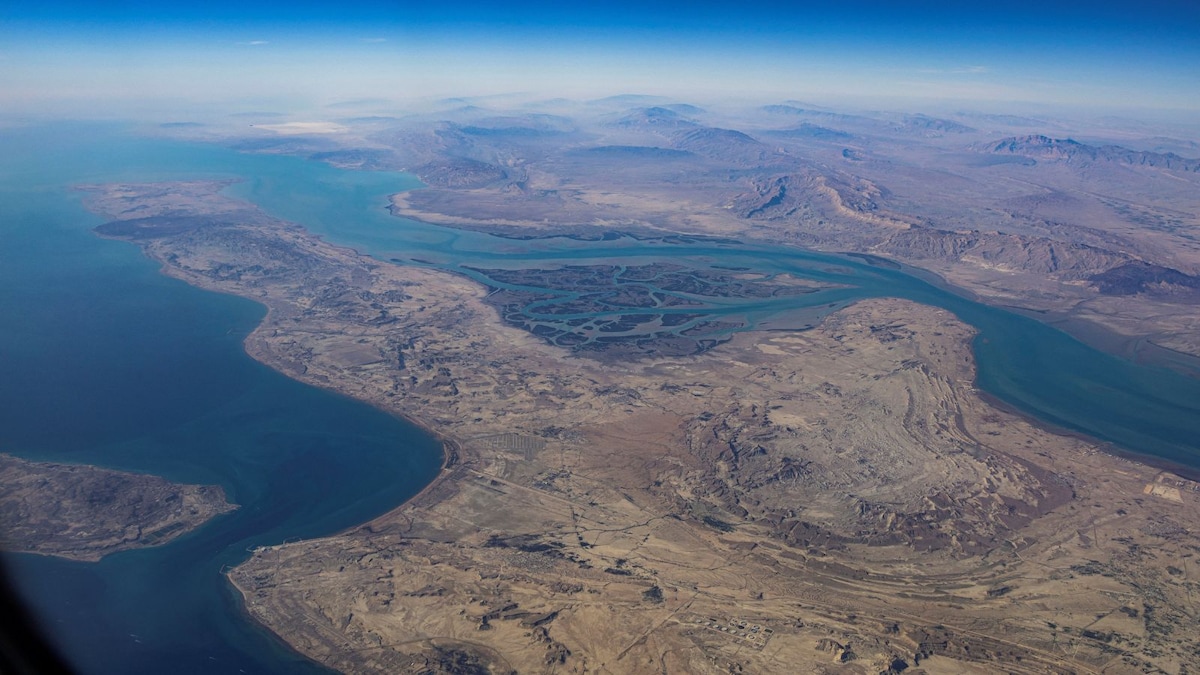
Iran says it could reopen the Strait of Hormuz if Washington accepts its conditions.
The strait is important because ships carrying oil and gas use it.
Iran’s economy has suffered because its oil exports have fallen.
The United States has sent more military forces to the region.
Both sides have threatened or carried out actions that could make the conflict worse.
The disagreement is especially tense because US midterm elections are approaching.

Qatar-mediated indirect US-Iran talks resumed after more than three months, but negotiations remain deadlocked over sequencing.
Iran proposed reopening the Strait of Hormuz after six days if the United States accepted conditions including a ceasefire, sanctions relief and asset unfreezing.
Washington wants nuclear limits and International Atomic Energy Agency inspections before lifting its naval blockade and easing oil sanctions.
Iran has faced severe economic pressure, while the United States has deployed additional military forces and warned of further escalation after the midterms.
Iran reportedly attacked three ships in the Strait of Hormuz as a US counterproposal was being delivered to Tehran.
- Who
- The United States, Iran, Qatar, Donald Trump, Iranian negotiators and Gulf countries are central to the dispute.
- What
- Indirect negotiations are stalled over the Strait of Hormuz, sanctions, Iran’s nuclear program and the risk of further military escalation.
- Where
- The negotiations were connected to the United Nations General Assembly in New York, while the military and maritime confrontation is centered on Iran and the Strait of Hormuz.
- When
- The latest indirect talks occurred the week before the article was published, roughly five weeks before the November 3 US midterm elections; the conflict began on February 28 and the naval blockade on July 15.
- Why
- The sides disagree over whether Iran must make nuclear concessions before the United States lifts its blockade and sanctions, or whether Washington must act first.
Iranian sequencing
US sequencing
Order of concessions
Iranian sequencing
Iran insists that the United States first take concrete steps, including lifting the blockade and easing oil sanctions, before nuclear discussions advance.
US sequencing
The United States wants Iran to first accept nuclear limits and International Atomic Energy Agency inspections before lifting the blockade or easing sanctions.
Strait of Hormuz
Iranian sequencing
Iran’s proposal links reopening the waterway to US acceptance of its conditions, while questions remain over whether Tehran would retain broader control over maritime traffic.
US sequencing
The United States and Gulf countries seek a resolution that keeps oil and gas shipping through the strait operating reliably and safely.
Pressure versus compromise
Iranian sequencing
Iran may make concessions before the US elections to secure a deal, but a faction inside Iran is urging escalation if its security is not guaranteed.
US sequencing
Donald Trump argues that the blockade and economic pressure are weakening Iran and has threatened either a deal or continued destructive action if negotiations fail.
Key facts
- Mediation
- Qatar helped facilitate the first indirect US-Iran engagement in more than three months.
- Iranian proposal
- Iran proposed reopening the Strait of Hormuz on the sixth day after US acceptance, followed by negotiations on the seventh day.
- Iranian conditions
- The proposal included a Lebanon ceasefire, lifting the US naval blockade, waiving sanctions on Iranian oil exports and unfreezing Iranian assets.
- US position
- Washington is seeking a cap on Iran’s nuclear stockpile and International Atomic Energy Agency inspections before offering major relief.
- Military deployment
- The Pentagon ordered the USS Theodore Roosevelt and an amphibious readiness group to the region, adding roughly 9,000 personnel.
- Recent attacks
- The article says Iran attacked three ships in the Strait of Hormuz while a US counterproposal was being delivered.
- Election timing
- The standoff is unfolding about five weeks before the November 3 US midterm elections.
Sources
Related news
US and Iran Explore Phased Deal to Reopen Strait
US-Iran Standoff Deepens as Both Sides Misjudge Leverage

Trump Calls for Iran Isolation While Gulf Seeks Diplomacy

Iran Offers Seven-Day Hormuz Reopening for U.S. Conditions
Trump Leaves Iran Strikes Possible as Tehran Warns of War
Qatar Tries to Revive Iran-US Talks Over Strait
France Seeks G7 Action Amid Global Fuel Price Shock
G7 Plans 100 Million-Barrel Fuel Release Amid Energy Crisis
Hormuz LNG Shipments Surge, Offering India Supply Relief
Global food prices rise near four-year high amid disruptions