

2 hrs ago
Vance Says Iran Conflict Is Not Technically a War
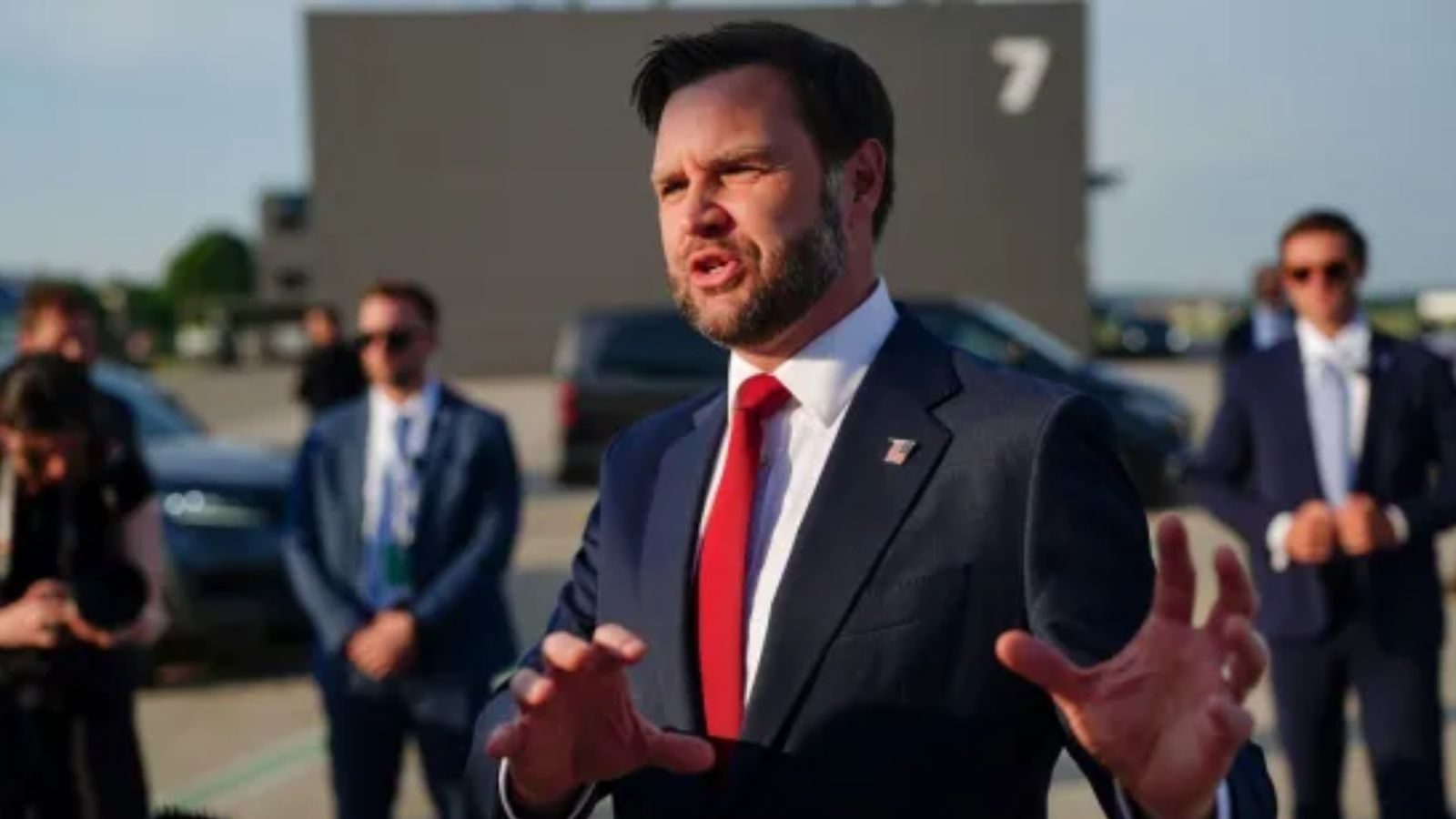
US Vice President JD Vance said he does not want to call the fighting with Iran a war.
He said there was no active shooting at the time of his briefing.
However, he also acknowledged that fighting had started again in some places.
The conflict began on February 28, according to the report.
Vance said the main combat lasted about six weeks.
New clashes reportedly followed US raids on Sunday.
Iran is also accused of attacking commercial ships near the Strait of Hormuz.
Vance said the United States would not restart talks until those attacks stop.

US Vice President JD Vance said he would not categorize the Iran conflict as a war.
Vance said there was currently no active shooting, while acknowledging hostilities had flared in some places.
He said major combat operations lasted about six weeks after the US-Israel conflict began on February 28.
Fresh clashes reportedly began with US raids on Sunday after several weeks of calm.
Vance said the United States would not resume talks with Iran until attacks on commercial shipping ended.
- Who
- US Vice President JD Vance, the United States, Iran, and Israel.
- What
- Vance described the Iran conflict as not technically a war, while discussing renewed clashes and attacks on commercial shipping.
- Where
- The hostilities involve the United States, Iran, and Israel, with shipping affected around the Strait of Hormuz.
- When
- The conflict reportedly began on February 28, and the statement was reported on September 4, 2026; fresh clashes began on Sunday.
- Why
- Vance said the United States would not reopen talks until Iran ended attacks on commercial shipping.
Vance’s limited-conflict characterization
Evidence of an ongoing conflict
Whether the fighting is a war
Vance’s limited-conflict characterization
Vance said he would not call it a war and said there was no active shooting at the time of his briefing.
Evidence of an ongoing conflict
The report describes a six-month conflict involving continuing clashes, fresh US raids, and attacks affecting commercial shipping.
Status of hostilities
Vance’s limited-conflict characterization
Vance said major combat operations lasted only six weeks and that the conflict had largely lacked active shooting.
Evidence of an ongoing conflict
The report says hostilities flared again after several weeks of calm and that Iran maintained a stranglehold on the Strait of Hormuz.
Resuming negotiations
Vance’s limited-conflict characterization
Vance said the United States would not reopen talks until Iran stopped attacks on commercial shipping.
Evidence of an ongoing conflict
The report indicates that this condition is contributing to an impasse because attacks and maritime tensions have continued.
Key facts
- Speaker
- US Vice President JD Vance
- Conflict start
- February 28, according to the report
- Vance’s characterization
- He said he would not call the conflict a war
- Current conditions
- Vance said there was no active shooting at the time of his briefing
- Major combat duration
- About six weeks, according to Vance
- Recent escalation
- Fresh clashes reportedly followed US raids on Sunday
- Talks condition
- The United States will not reopen talks until attacks on commercial shipping end
Quotes

JD Vance
US vice president speaking at a White House briefing
“But when you ask when will this end, you're asking me a question like when will the Iranians stop shooting at ships? I think the reality is I don't know the answer to that question. You would have to ask the Iranians”
 indianexpress.com
“I wouldn't call it a war. Right now, there is no active shooting”
indianexpress.com
Sources
Related news

Vance Rejects War Label as US-Iran Fighting Continues
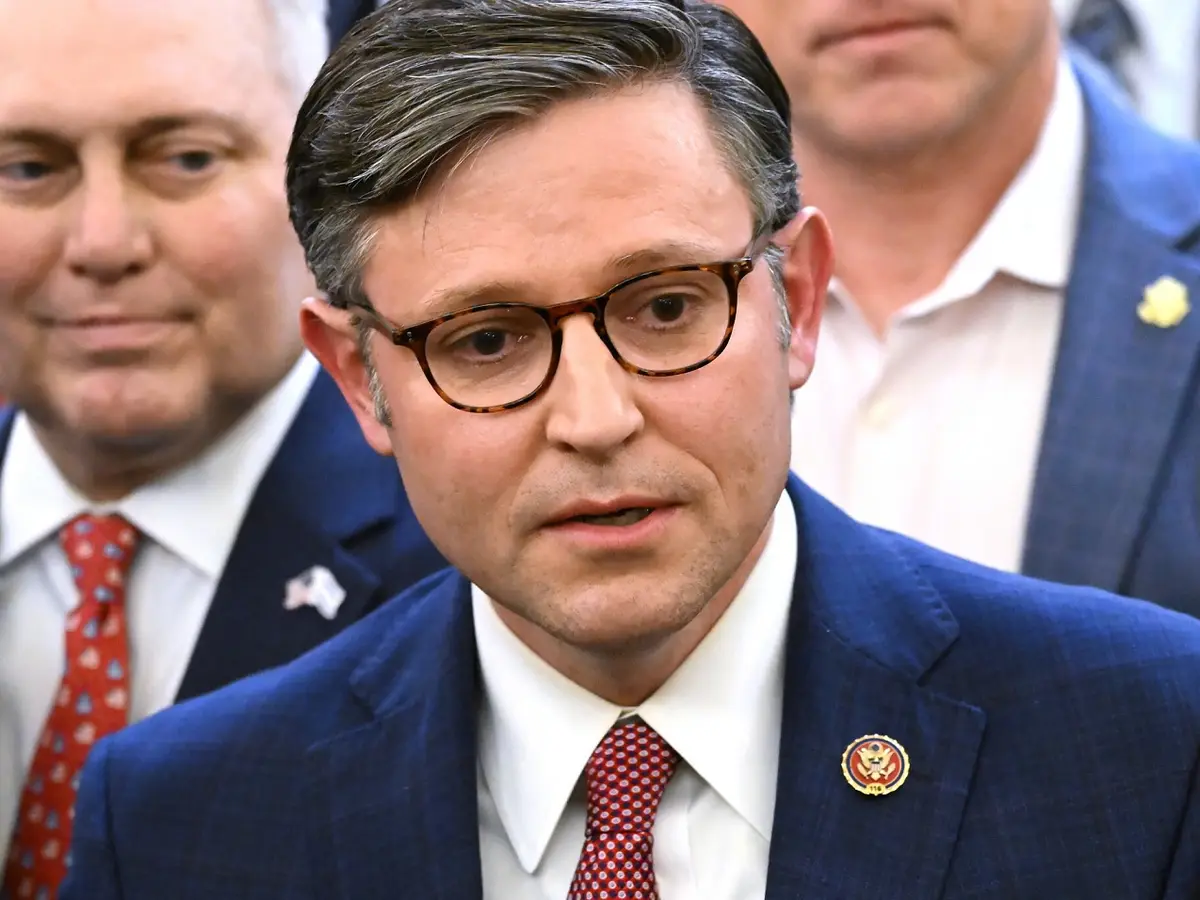
Mike Johnson Predicts New Phase in Iran War Soon
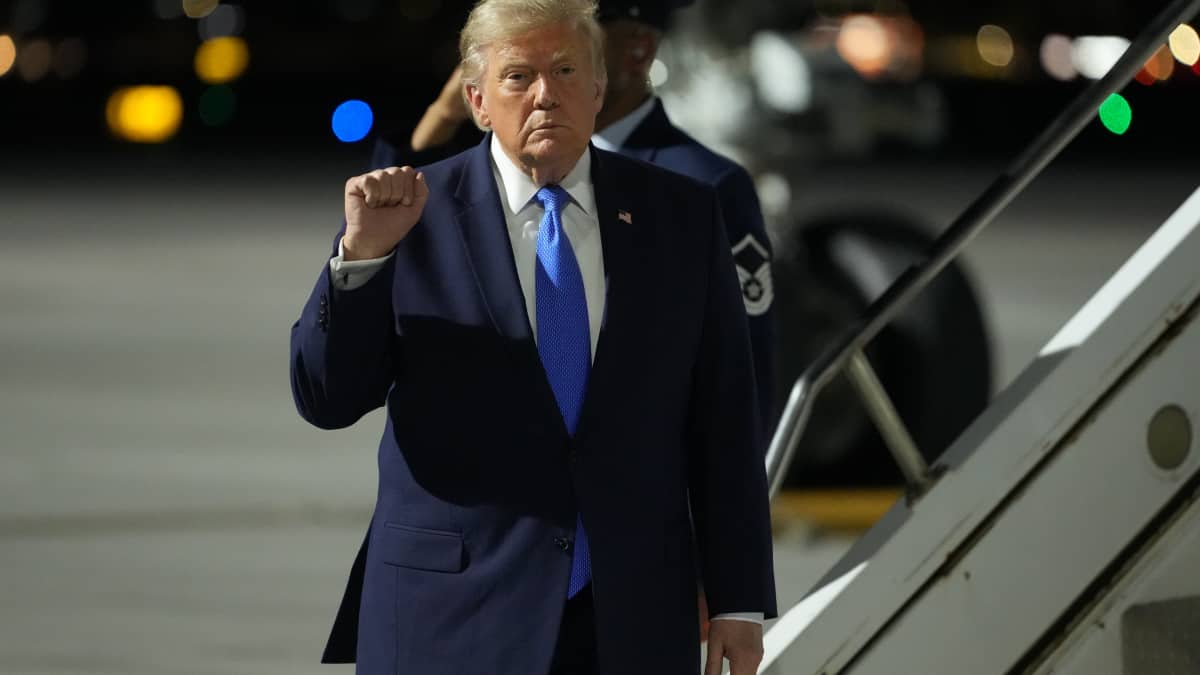
Trump says Iran war 'has to end pretty soon'
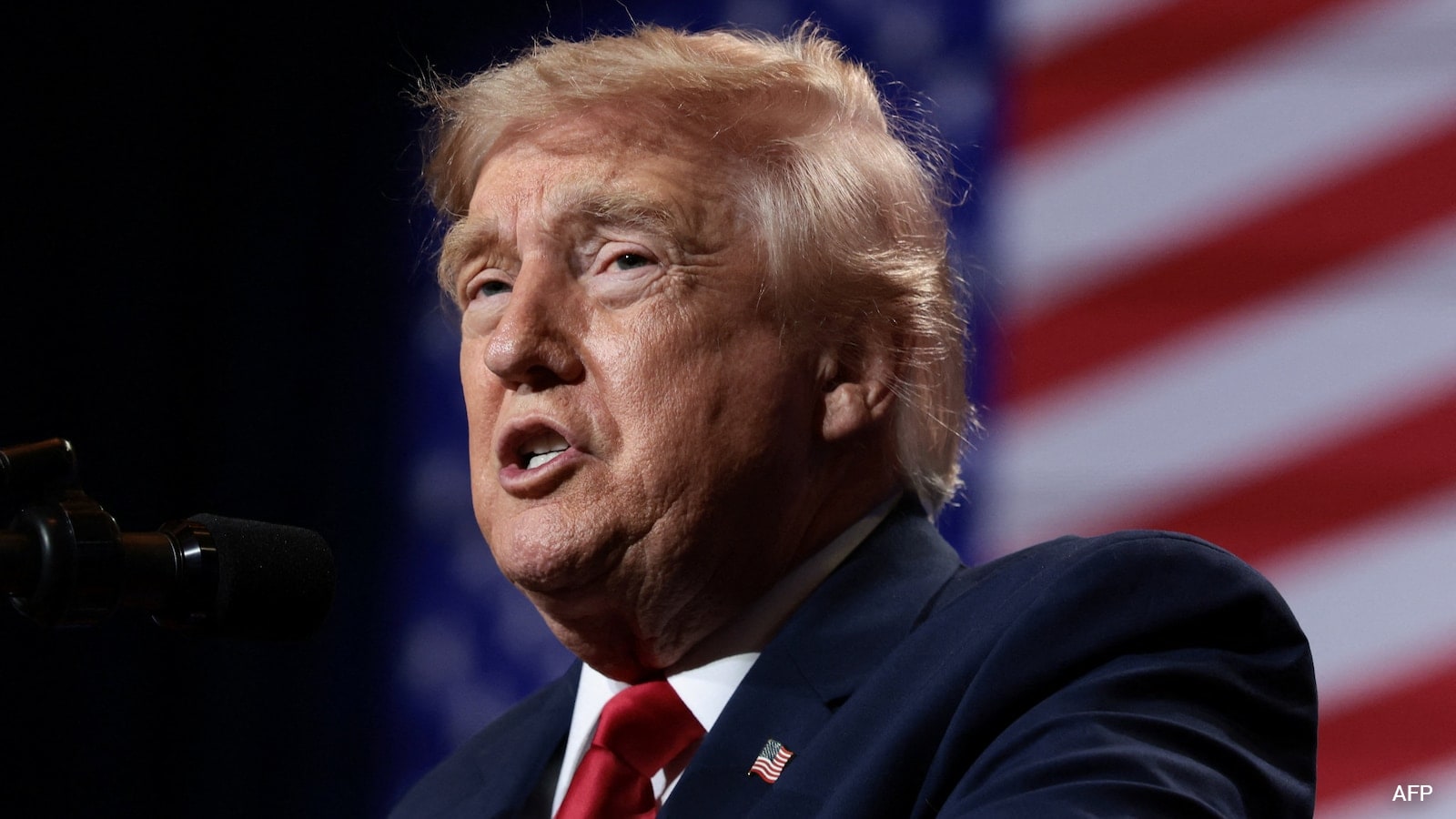
Trump Says Iran War Ending 'Pretty Soon,' Rejects Missile Shortage
Trump Rules Out Nuclear Weapons, Threatens Iran With More Strikes
Vance Says Trump Keeps All Options Open Against Iran

Global roundup spans space launch, diplomacy, conflicts and politics

Oil prices surge as US-Iran hostilities threaten Hormuz flows

Syria Proposes Hormuz Alternative With Donald Trump Approval
