1 hr ago
Vance Says All Options Against Iran Remain on Table
The United States and Iran are in a long-running conflict that has recently become more intense.
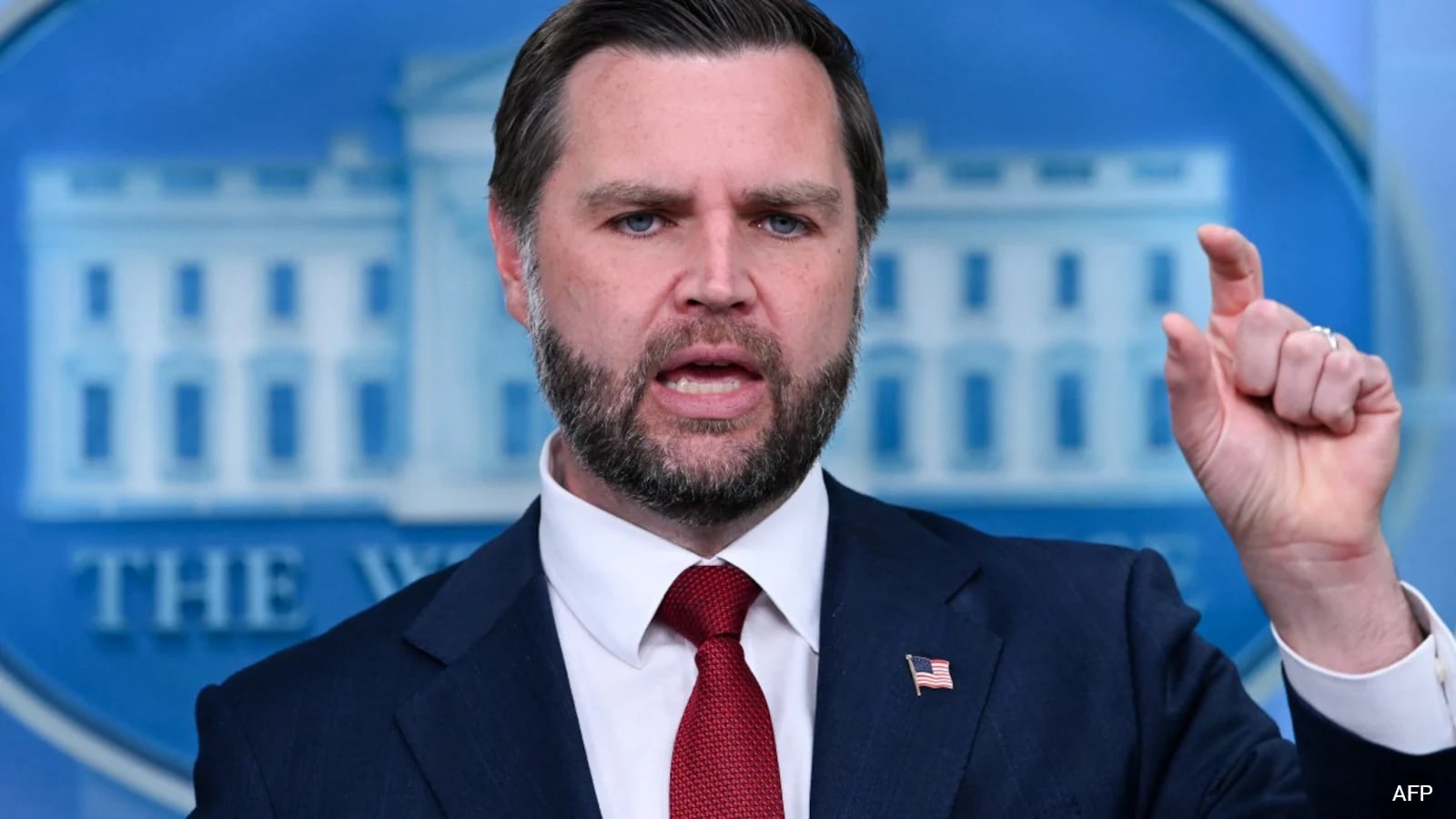
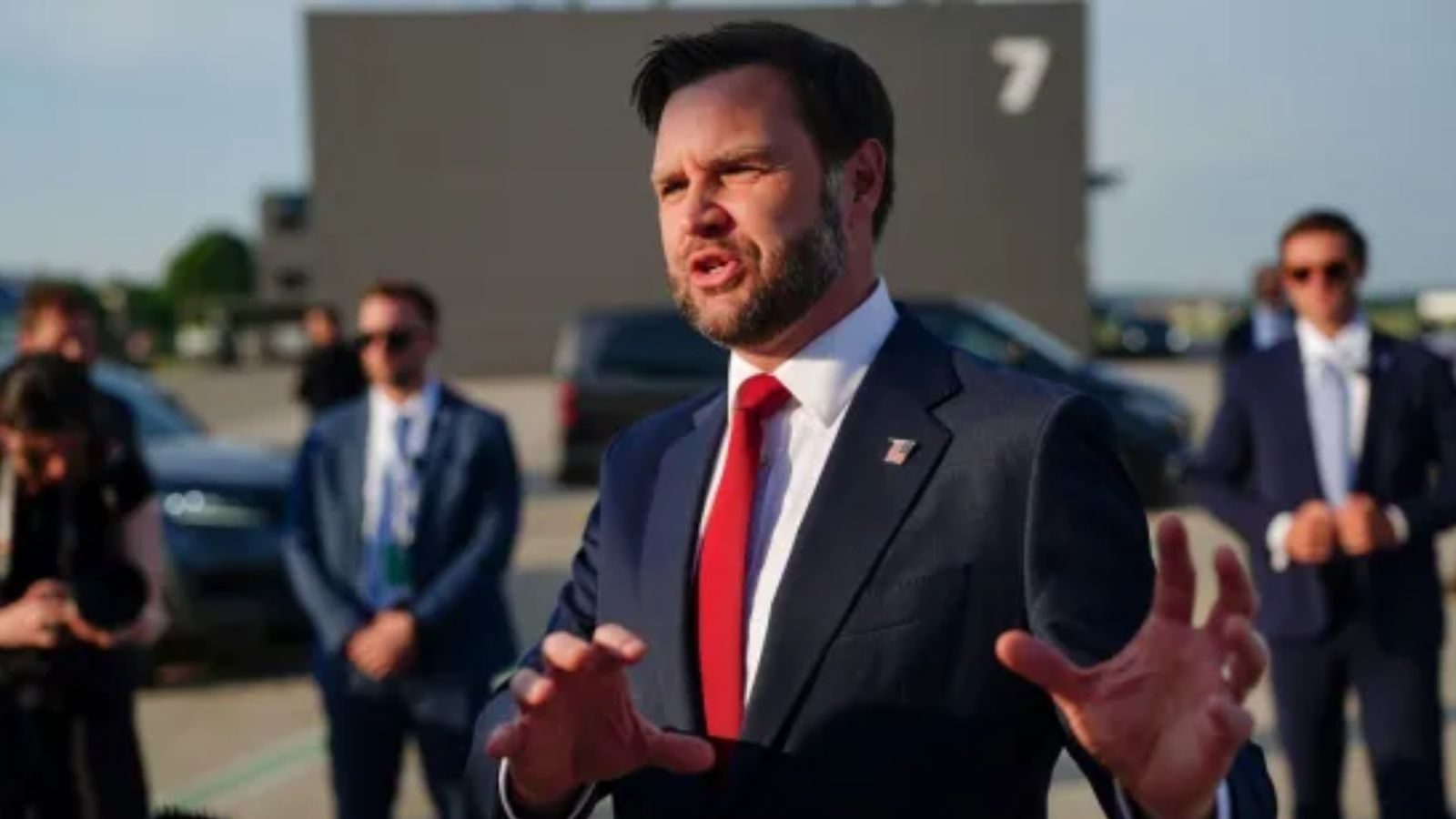
Vice President JD Vance said the United States has many ways to pressure Iran.
These ways could include financial penalties, military action, diplomacy or secret operations.
He did not say which options President Donald Trump might choose.
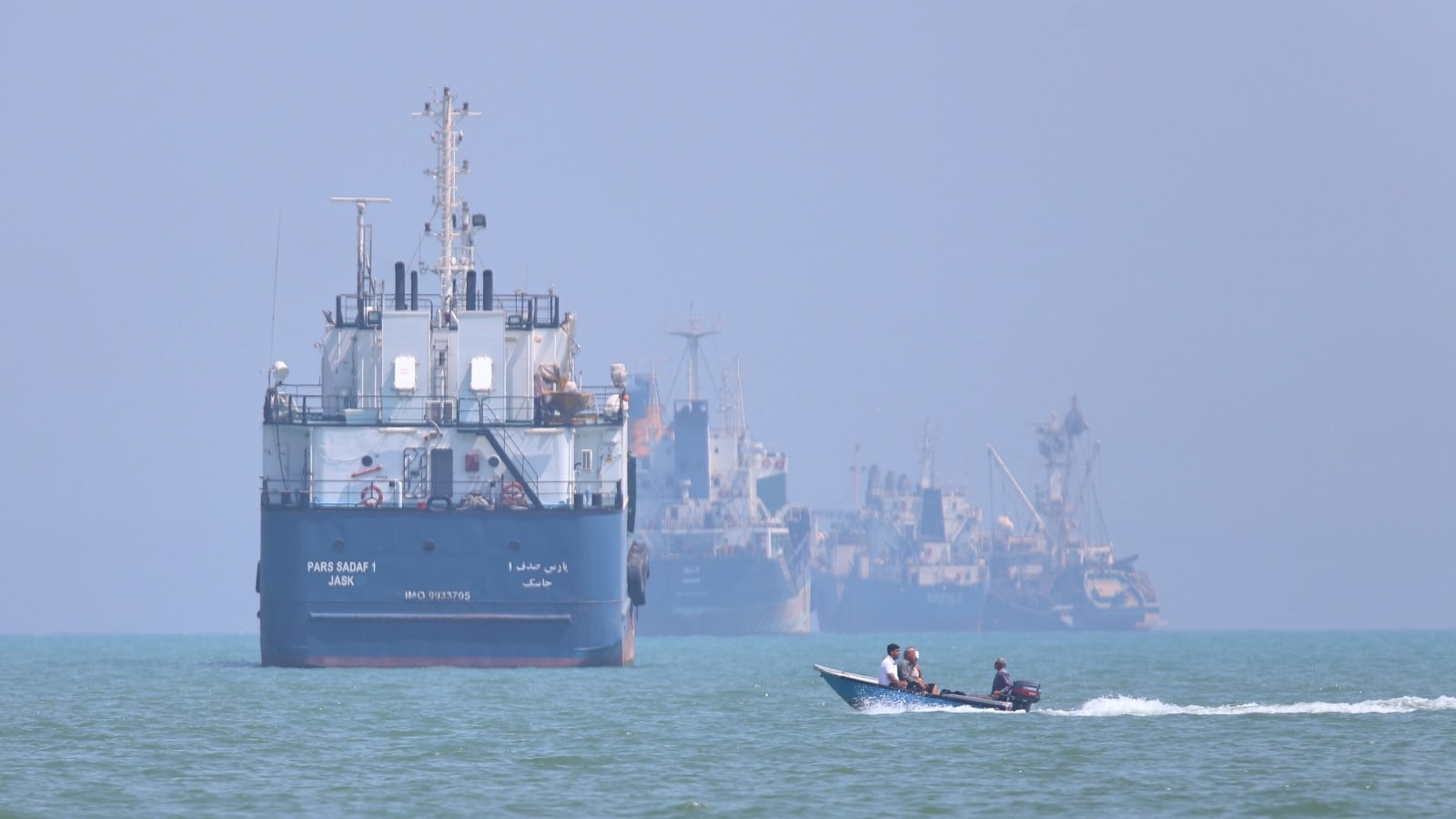
Vance said the United States wants to protect ships traveling through the Strait of Hormuz.
He also said the conflict could cause a larger energy crisis.
The United States reported attacking sites in Iran, and Iran responded by attacking facilities linked to the United States.
The U.S. government is also increasing economic pressure on Iran by targeting important industries and financial networks.
Trump has suggested the conflict may end soon, but extended troop deployments could mean tensions continue.

Vice President JD Vance said the Trump administration could use economic, military, diplomatic or covert measures against Iran.
Vance declined to reveal specific plans, saying public disclosure would limit President Donald Trump's flexibility.
He accused Iran of targeting commercial shipping in the Strait of Hormuz and said U.S. actions aimed to prevent a wider energy crisis.
U.S. Central Command reported strikes on sites inside Iran, while Tehran responded with attacks on U.S.-linked facilities across the Gulf.
The administration has also launched Operation Economic Outcast to target Iran's oil, shipping, aviation and digital-asset revenues.
- Who
- The Trump administration, led in this account by President Donald Trump and Vice President JD Vance, and Iran.
- What
- The United States is considering multiple forms of pressure against Iran amid escalating strikes and tensions.
- Where
- The conflict involves Iran, U.S.-linked facilities across the Gulf, and commercial shipping routes in the Strait of Hormuz.
- When
- Vance spoke on Thursday local time; the conflict reportedly began on February 28 and has lasted seven months.
- Why
- Washington says it is responding to Iranian actions against commercial shipping, protecting energy flows and increasing pressure on Iran.
U.S. Administration
Iran
Shipping and energy security
U.S. Administration
Vance said Iran was targeting commercial shipping in the Strait of Hormuz and that U.S. efforts were protecting shipping and preventing a wider energy crisis.
Iran
The article reports Tehran's response to U.S. actions but does not provide an Iranian explanation of its conduct in the Strait of Hormuz.
Military escalation
U.S. Administration
The United States reported strikes against multiple sites inside Iran and said its forces hit military equipment near the Strait of Hormuz.
Iran
Tehran responded with attacks on U.S.-linked facilities across the Gulf.
Future pressure
U.S. Administration
Washington says all options remain available and has launched an economic campaign to restrict Iran's revenue and access to international financial networks.
Iran
The article does not state Iran's public position on the U.S. economic campaign or its next steps.
Key facts
- U.S. options
- Economic, military, diplomatic and covert measures are described as available tools.
- Conflict duration
- The conflict is described as seven months old and began on February 28.
- Recent U.S. action
- U.S. Central Command said it struck multiple sites inside Iran.
- Iranian response
- Tehran reportedly attacked U.S.-linked facilities across the Gulf.
- Shipping concerns
- Vance accused Iran of targeting commercial shipping in the Strait of Hormuz.
- Economic campaign
- Operation Economic Outcast targets Iran's oil, shipping, aviation and digital-asset sectors.
- Possible conflict timeline
- Trump said he did not expect the conflict to continue for very much longer, while Pentagon troop deployments were extended.
Quotes

Donald Trump
US president describing a recent US attack on Iran
“But everything that could happen is on the table. Economic pressure, military pressure, diplomatic pressure, covert pressure. Of course these are tools in the President's toolkit.”
 NDTV
NDTV
“We would have had an energy crisis because the Iranians refuse to stop acting like terrorists in the Strait of Hormuz.”
NDTV
Sources
Related news
US Intensifies Economic Pressure on Iran Amid Hormuz Tensions

Vance Calls Economic Pressure Effective as Iran Rejects Sanctions
Vance says Iran negotiations will be messy, take time
US Vows Unprecedented Iran Sanctions, Indefinite Hormuz Naval Blockade
Trump warns Iran of tougher military action, economic pressure
Trump says US 'low-keying' standoff with Iran, like chess

Syria Proposes Hormuz Alternative With Donald Trump Approval

US probes likely munition strike on Iranian wedding
Vance Says Iran Conflict Is Not Technically a War
South Korea Weighs Hormuz Deployment Amid Trump Pressure, Reports Say