

1 hr ago
Vance Rejects War Label as US-Iran Fighting Continues

The United States and Iran are still having a serious conflict involving attacks and threats.
Vice President JD Vance said he does not want to call it a war.
He also said there was no active shooting at the time of his comments.
Iran said it attacked US military locations in Kuwait and the United Arab Emirates.
Iran said the attacks were revenge for a missile strike on a wedding that it blamed on the United States.
The United States said it was investigating that wedding attack.
Vance said President Donald Trump could use economic, military, diplomatic or secret pressure against Iran.
South Korea may send military equipment to help ships travel safely through the Strait of Hormuz.

Vice President JD Vance said he would not call the six-month-old US-Iran conflict a war and said there was currently no active shooting.
Vance said the Trump administration could use economic, military, diplomatic or covert pressure against Iran.
Iran said it attacked US military targets in Kuwait and the United Arab Emirates in retaliation for a wedding attack it blamed on Washington.
Kuwait said it intercepted a missile and drone attack, while Iran claimed it struck US assets at Ahmad al-Jaber Air Base.
South Korea is reportedly considering a military deployment to help protect navigation in the Strait of Hormuz before the end of the year.
- Who
- The administration of US President Donald Trump, Vice President JD Vance, Iran, Kuwait, and South Korea are central to the developments.
- What
- The United States and Iran exchanged attacks and threats, while Washington weighed further pressure and South Korea considered a Hormuz deployment.
- Where
- Reported incidents involved Lakar Island, Iran; US military facilities in Kuwait and the United Arab Emirates; and the Strait of Hormuz.
- When
- The latest statements came Thursday; the wedding strike occurred Tuesday night, and South Korea reportedly aims to deploy assets before the end of the year.
- Why
- Vance said Washington was considering tools to deal with Tehran, while Iran said its strikes avenged an attack on a wedding.
United States position
Iranian position
Whether the fighting is a war
United States position
Vance said the conflict should not be called a war and that there was no active shooting at the time of his remarks.
Iranian position
Iran continued describing its actions as strikes against US targets and said it was responding to attacks from Washington.
Responsibility for the wedding attack
United States position
The United States said it was investigating the missile attack on the wedding and did not accept responsibility in the report.
Iranian position
Iran blamed Washington for the attack, which it said killed four people and wounded more than 50, and cited it as the reason for retaliation.
Key facts
- US position on terminology
- JD Vance said he would not call the conflict a war and said there was no active shooting at that time.
- Available US measures
- Vance listed economic, military, diplomatic and covert pressure as possible tools.
- Iranian claim
- Iran said it targeted US military bases in Kuwait and the United Arab Emirates.
- Kuwaiti response
- Kuwait's army said it intercepted a missile and drone attack from Iran.
- Wedding attack
- Iranian officials said a missile attack on a wedding in Kuhestak killed four people, including a child, and wounded more than 50.
- South Korean proposal
- South Korea is reportedly considering a maritime patrol aircraft, logistics vessel, or mine-clearance unit for the Strait of Hormuz.
Quotes

JD Vance
US vice president commenting on the ongoing fighting with Iran
“There are a lot of additional tools that we have at our disposal. Some of those the President will use and some of them he won't. But everything that could happen is on the table. Economic pressure, military pressure, diplomatic pressure, covert pressure. Of course these are tools in the President's toolkit.”
 livemint.com
“Right now, there is no active shooting.”
livemint.com
Sources
Related news
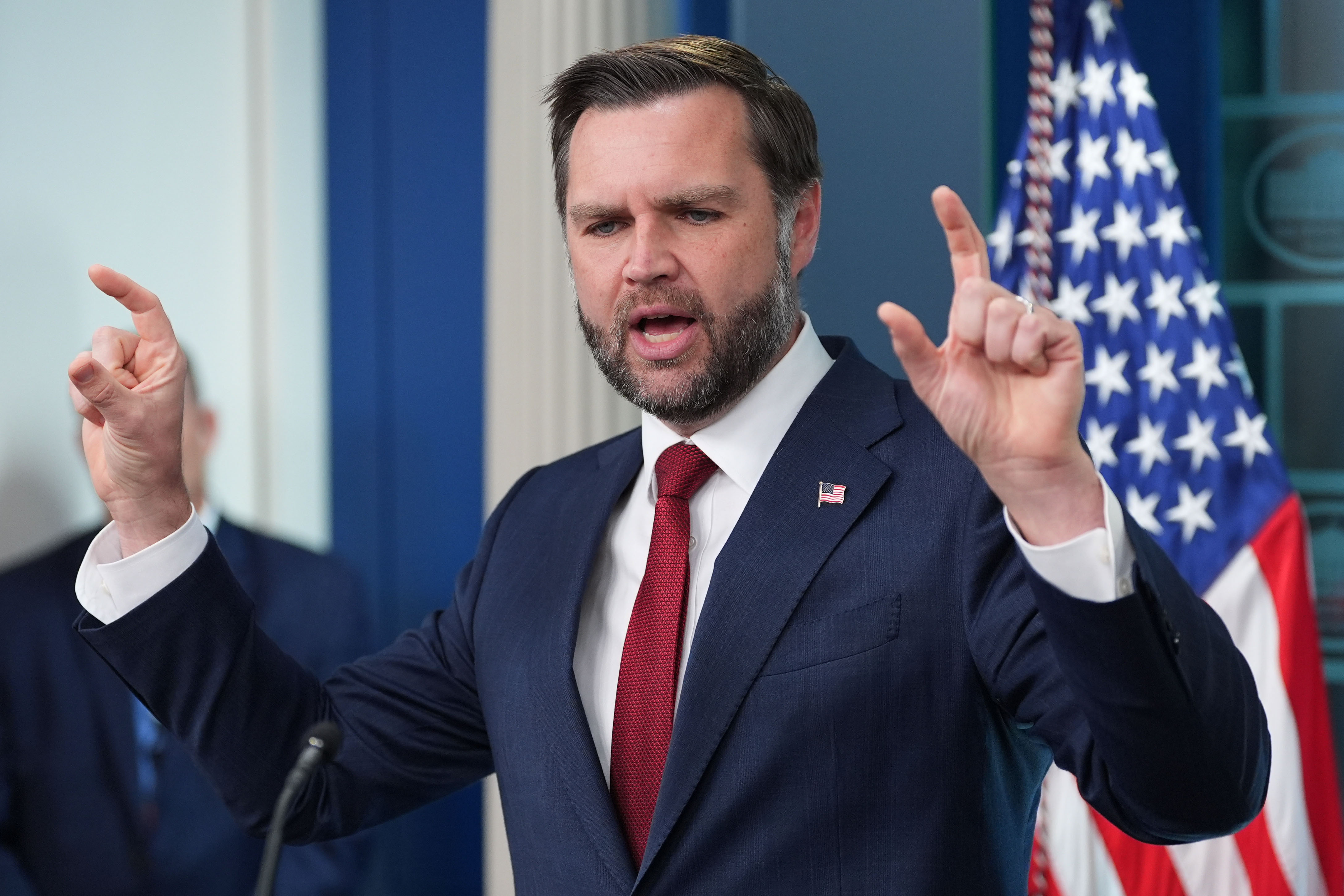
Vance Says Trump Keeps All Options Open Against Iran
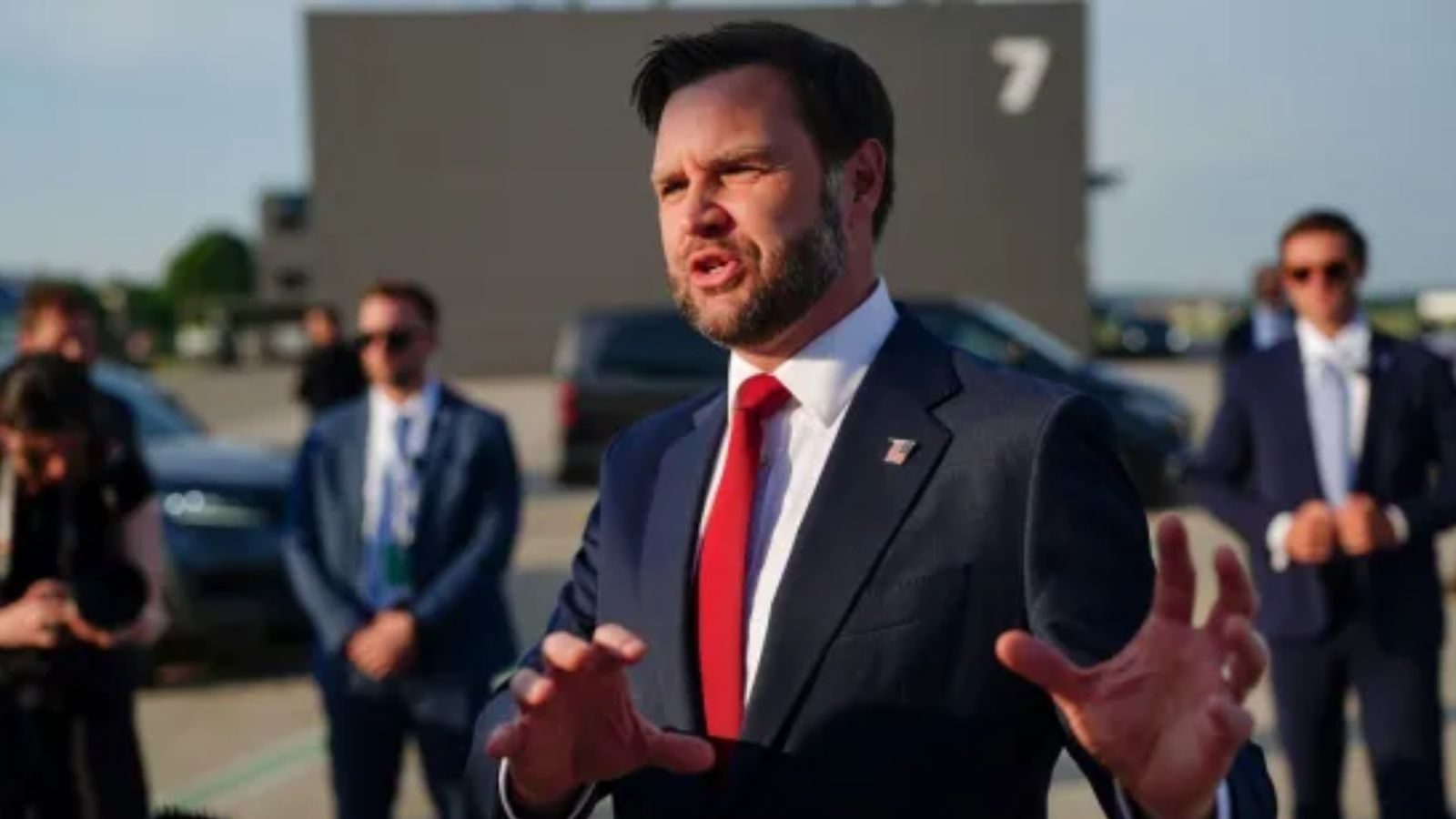
Vance Says Iran Conflict Is Not Technically a War
Trump Aides Seek to Keep Iran War Quiet Before Midterms
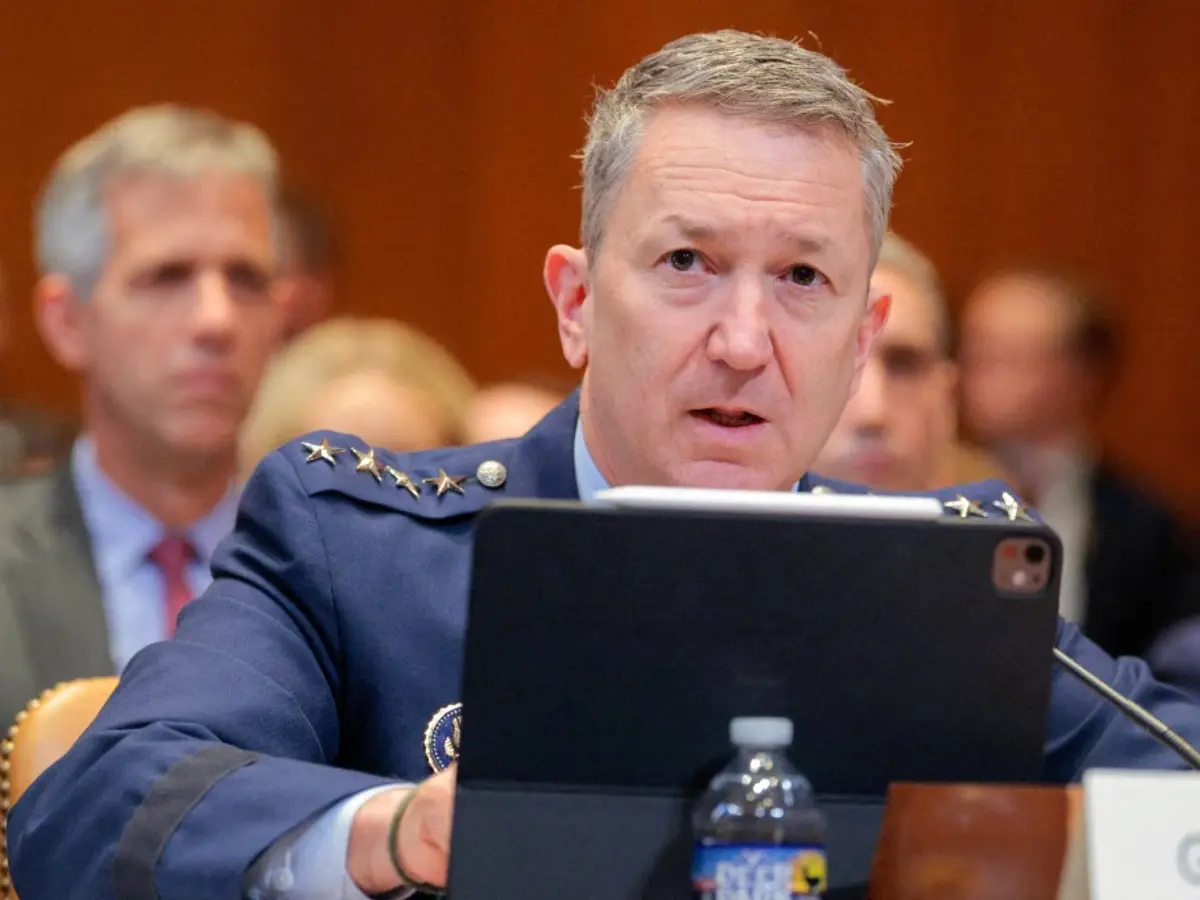
Trump's Top General Seeks Off-Ramp as Iran War Drags On

Vance Calls Economic Pressure Effective as Iran Rejects Sanctions
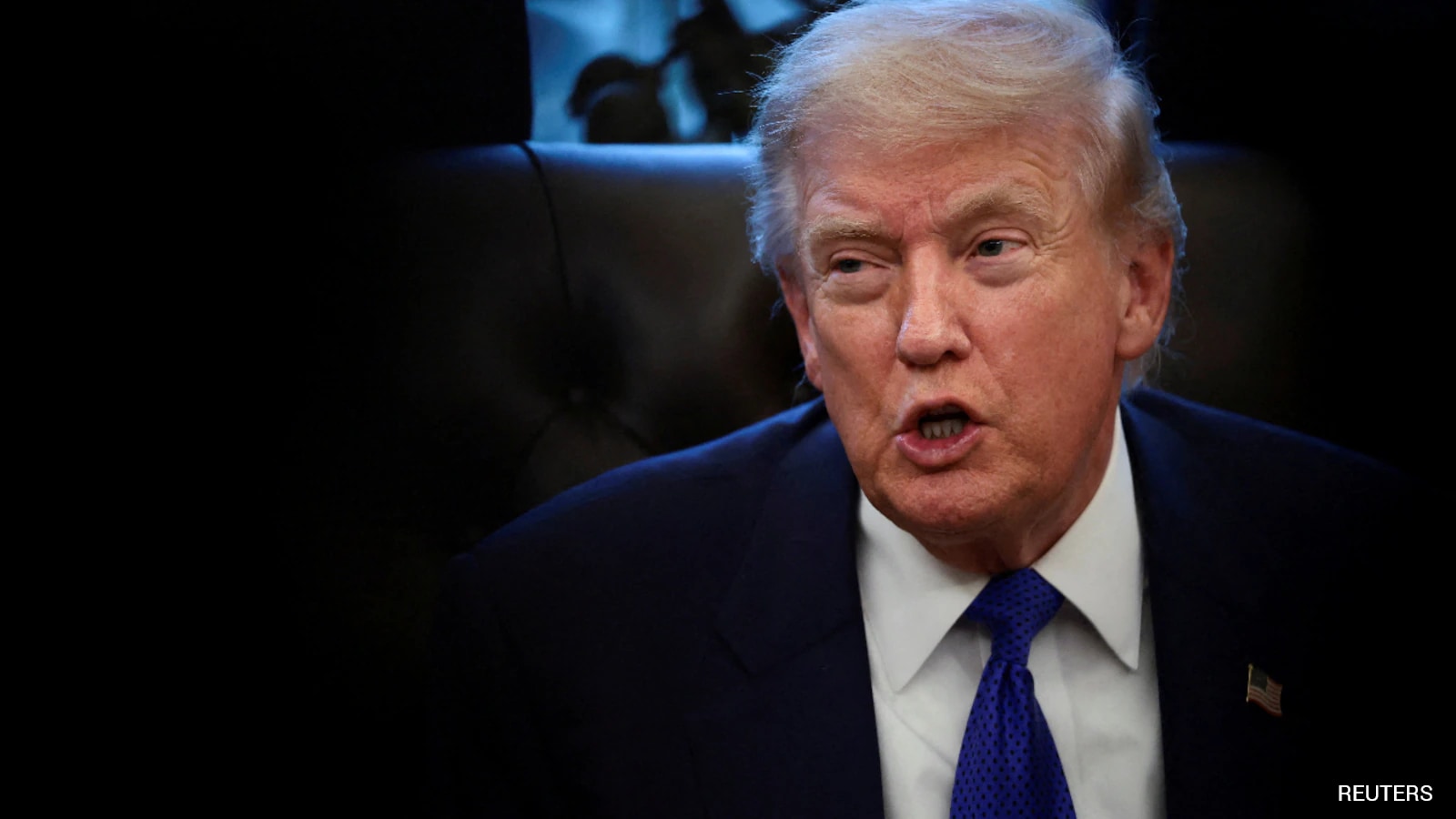
Trump warns Iran of tougher military action, economic pressure

Global roundup spans space launch, diplomacy, conflicts and politics

Oil prices surge as US-Iran hostilities threaten Hormuz flows

Syria Proposes Hormuz Alternative With Donald Trump Approval
