1 hr ago
Supreme Court Quashes Case Over Refusal to Marry
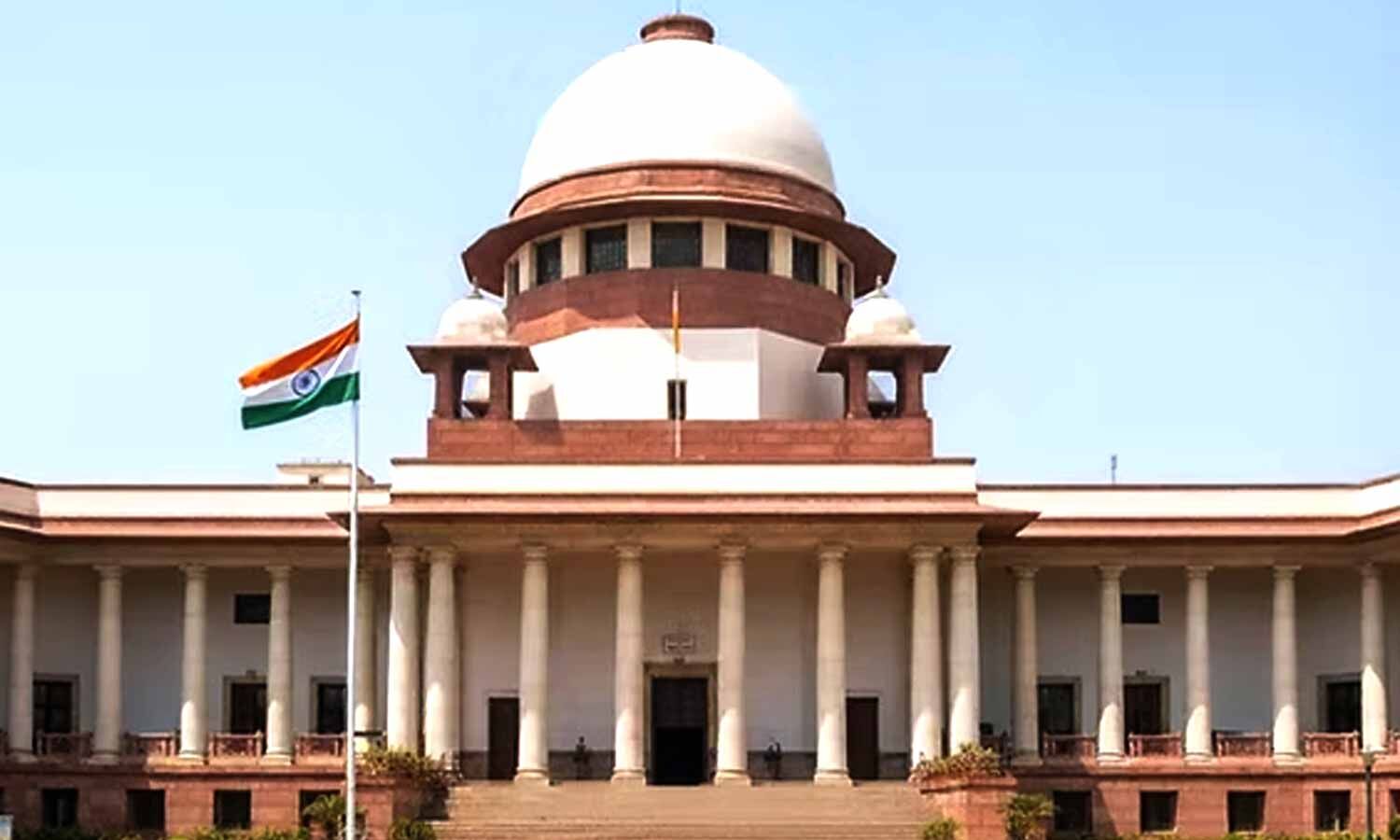
The Supreme Court considered a case involving a woman who died by suicide after her partner reportedly refused to marry her.
She and the man had been living together in a relationship described as consensual.
Her siblings said the refusal led to her death, and six people faced criminal proceedings.
The court said the evidence did not show that the accused encouraged or intended her suicide.
It explained that people react differently to breakups, so a suicide after a breakup is not automatically abetment.
The court also noted that the woman had told her eldest sister she intended to end her life, but no steps were taken to prevent it.
It cancelled the proceedings against the six accused.
Anyone in custody was ordered released unless required in another case.

The Supreme Court quashed criminal proceedings against six people accused of abetting a woman's suicide.
The woman had lived with the first accused for about three months in a consensual relationship.
Her siblings alleged she died by suicide after he refused to marry her.
The court found no material showing the accused instigated her suicide or intended that outcome.
The court said a breakup followed by suicide cannot automatically be treated as abetment and ordered release for any accused in custody, unless held in another case.
- Who
- The Supreme Court, and six people accused of abetting a woman's suicide.
- What
- The court quashed criminal proceedings, finding no material showing instigation or intent to drive the woman to suicide.
- Where
- The proceedings were pending in Kushaiguda, Medchal-Malkajgiri District, Telangana.
- When
- The article does not state when the Supreme Court issued its order.
- Why
- The court said refusal to marry after a consensual relationship, followed by suicide, did not by itself establish abetment.
Prosecution allegations
Supreme Court findings
Role of the refusal to marry
Prosecution allegations
The deceased's siblings alleged that the first accused refused to marry her, after which she took her life.
Supreme Court findings
The court said refusal to marry, even if followed by suicide, did not by itself establish abetment.
Conduct of the accused and others
Prosecution allegations
The prosecution alleged that the first accused's friend spoke ill of the woman, his sister and parents opposed the relationship, and pressure arose from his sister's proposed marriage.
Supreme Court findings
The court found no material establishing that the accused instigated the suicide or intended, or could be attributed knowledge, that the woman would take her life.
Key facts
- Accused
- Six people
- Relationship
- The woman had lived with the first accused for around three months; the relationship was described as consensual.
- Court
- Supreme Court of India
- Bench
- Justices J.B. Pardiwala and K. Vinod Chandran
- Case
- Sessions Case No. 101 of 2024
- Lower court
- II Additional Senior Civil Judge-cum-Additional Chief Judicial Magistrate, Medchal-Malkajgiri District
- Order
- Proceedings quashed; accused in custody to be released unless required in another case.
Quotes
Supreme Court Bench
The Bench of Justices J.B. Pardiwala and K. Vinod Chandran that decided the case.
“We are unable to find any instigation by the accused/appellants to drive the deceased to death by suicide. It was neither intended nor can it be said to be abetment.”
 thehansindia.com
“We are unable to sustain the prosecution initiated against the accused on such frivolous allegations, and we quash the proceedings in Sessions Case No.101 of 2024.”
thehansindia.com
Sources
Related news
Rajasthan High Court Says Breakup Alone Is Not Abetment

Bombay High Court Sends Gautam Khandjua Suicide Case To Trial

Delhi court grants bail to engineer accused in wife’s suicide

Bombay High Court Discharges Rahul Raj Singh in Banerjee Case
Gurugram Man’s Wife, In-Laws Booked Over Alleged Suicide Abetment

Bombay High Court Quashes FIR in Failed Relationship Case

Supreme Court Urges Delhi Police to Prevent Rape Crimes
Supreme Court Urges Delhi Police to Protect Women
Supreme Court Urges Delhi Police to Strengthen Women’s Safety Measures
Supreme Court Urges Delhi Police to Prevent Crimes Against Women