1 hr ago
Gandhi Jayanti 2026 Honors Legacy Of Truth And Nonviolence
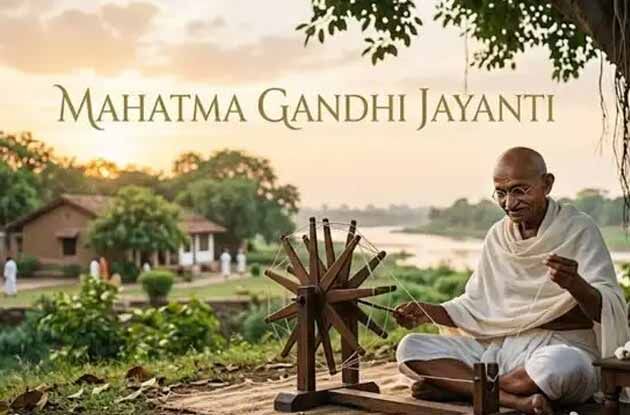
Gandhi Jayanti is a special day in India held on October 2.
It remembers Mahatma Gandhi, who was born on that date in 1869.
Gandhi helped lead India’s struggle for independence from British rule.
He believed people could fight unfairness through truth and non-violence.
He also supported simplicity, self-reliance, rural development and social reform.
People honor him with prayers, talks, school activities and cleanliness drives.
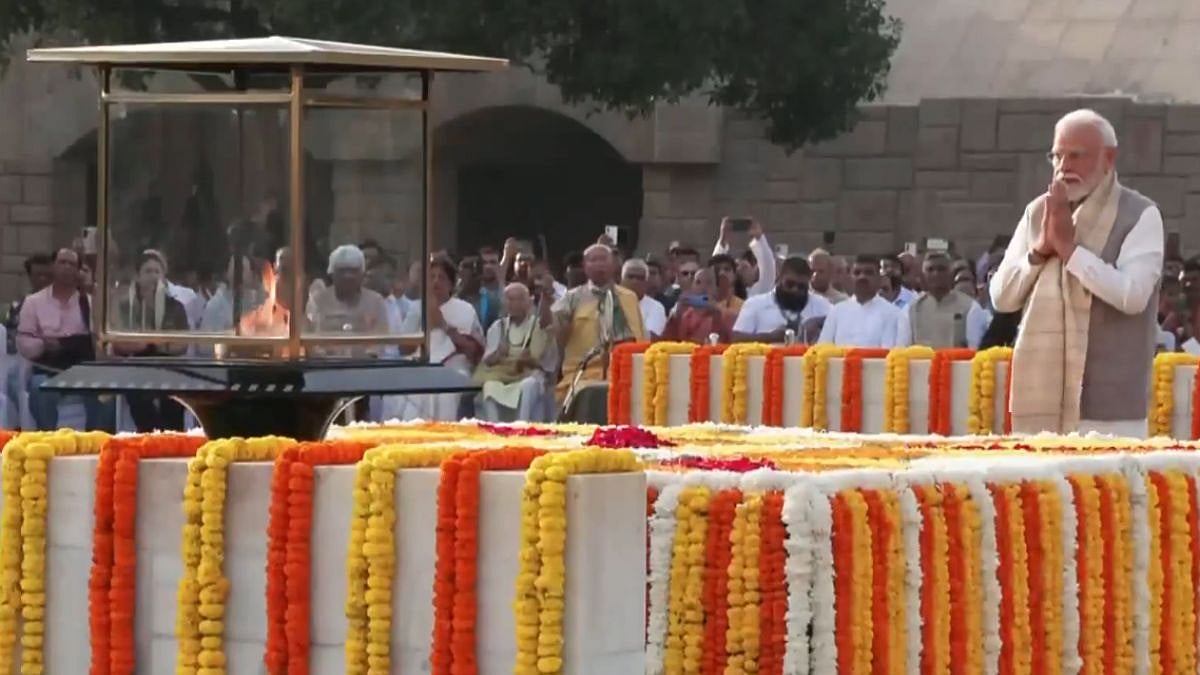
National leaders and citizens gather at his memorial at Raj Ghat in New Delhi.
The United Nations also recognizes October 2 as the International Day of Non-Violence.

India observes Gandhi Jayanti on October 2, marking Mahatma Gandhi’s birth in 1869.
The national holiday commemorates Gandhi’s role in India’s independence movement and his principles of truth and non-violence.
Gandhi was associated with the Non-Cooperation, Civil Disobedience and Quit India movements, including the 1930 Salt March.
Celebrations include prayer meetings, memorial tributes, educational programmes, cultural events and cleanliness drives.
October 2 is also the United Nations’ International Day of Non-Violence, established in 2007.
- Who
- India commemorates Mahatma Gandhi, a major leader of the country’s independence movement.
- What
- Gandhi Jayanti marks Gandhi’s birth and honors his contributions, values and legacy.
- Where
- Throughout India, including Gandhi’s memorial at Raj Ghat in New Delhi; the date is also observed internationally by the United Nations.
- When
- October 2 every year; in 2026, it marks Gandhi’s 157th birth anniversary.
- Why
- To remember Gandhi’s role in the independence movement and promote truth, non-violence, peace and social responsibility.
Key facts
- Date
- October 2
- Birth
- Mahatma Gandhi was born on October 2, 1869, in Porbandar, Gujarat.
- Status in India
- Gandhi Jayanti is a national holiday.
- Key principles
- Truth, non-violence, self-discipline, simplicity and self-reliance.
- Independence movements
- Gandhi was associated with the Non-Cooperation, Civil Disobedience and Quit India movements.
- Major campaign
- The Salt March of 1930 was part of the Civil Disobedience Movement.
- International observance
- The United Nations established the International Day of Non-Violence in 2007 for October 2.
Sources
Related news

Gandhi Jayanti 2026: India Honors Gandhi With Wishes, Quotes
Gandhi Jayanti 2026 Highlights Global Legacy of Nonviolent Resistance
India Honors Gandhi and Shastri With Tributes, Cleanliness Drives
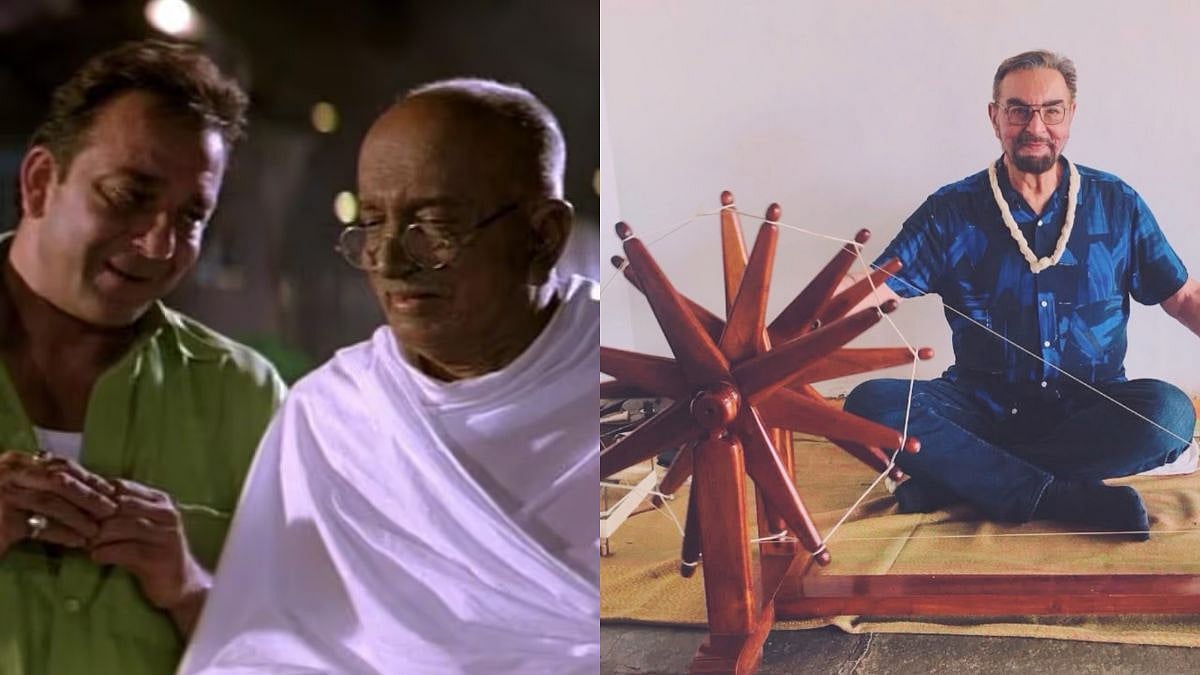
Bollywood Celebrities Pay Tribute to Gandhi on Jayanti

Tamil Nadu Leaders Invoke Gandhi’s Ideals of Peace

Gandhi Jayanti 2026: Banks Closed, Digital Services Remain Available

SEBI Clears Four IPO Proposals, Including Carlsberg India

Political Speculation and Bureaucratic Changes Dominate Delhi Buzz
Gujarat-Built Thermal Satellite Launches Aboard SpaceX Falcon 9

Indian Factories Cut Investment as Employment Reaches Record High